Rectal cancer is a type of cancer that develops in the rectum, the final section of the large intestine leading to the anus. It occurs when the cells in the rectal lining grow uncontrollably, forming malignant tumours. Early detection significantly improves treatment outcomes and survival rates.
High Risk Groups for Rectal Carcinoma
Individuals at high risk for rectal carcinoma typically have one or more specific factors or conditions that increase their likelihood of developing the disease compared with the general population.
- Individuals with a family history of colorectal cancer, particularly first-degree relatives diagnosed before the age of 50.
- People with a personal history of colorectal cancer, polyps, or chronic inflammatory bowel diseases such as ulcerative colitis or Crohn's disease.
- Carriers of hereditary syndromes, including familial adenomatous polyposis (FAP) and Lynch syndrome (hereditary non-polyposis colorectal cancer or HNPCC).
- Those with a history of radiation therapy to the pelvic region for previous cancers.
- Individuals over the age of 50 are at a significant risk with advancing age.
- People with dietary patterns low in fibre and high in red or processed meats.
- Individuals with obesity, type 2 diabetes, or a sedentary lifestyle.
- Regular smokers and heavy alcohol consumers.
Types of Rectal Cancer
Rectal cancer can manifest in different forms, each with distinct characteristics, behaviour, and treatment approaches. Understanding the type of rectal cancer is crucial for accurate diagnosis and effective management. Common types include:
- Adenocarcinoma: This is the most prevalent type of rectal cancer, originating from the glandular cells that line the rectum. It typically grows slowly but can invade surrounding tissues if not detected early.
- Carcinoid Tumours: These are slow-growing tumours arising from neuroendocrine cells in the rectum. They may secrete hormones, causing specific symptoms, and often have a better prognosis if detected early.
- Gastrointestinal Stromal Tumours (GISTs): A rare form of rectal cancer, GISTs originate from the supportive connective tissue in the rectum. They may grow silently but can become aggressive depending on size and genetic mutations.
- Lymphomas: This type arises from lymphatic tissue within the rectum. It is less common than adenocarcinoma but can spread quickly, requiring specialised treatment approaches like chemotherapy and radiation.
- Sarcomas: Sporadic cancers affecting the connective tissue of the rectum. These tumours tend to be aggressive and often require surgical intervention combined with targeted therapies for effective management.
Symptoms of Rectal Cancer
Patients should be aware of early warning signs:
- Blood in stool or rectal bleeding
- Changes in bowel habits (constipation, diarrhoea)
- Unexplained weight loss
- Loss of appetite
- Persistent abdominal pain, bloating, or discomfort
- Fatigue or weakness
Causes of Rectal Cancer
Rectal cancer arises from genetic, hereditary, lifestyle, and environmental factors that disrupt normal cell growth in the rectum. Common causes include:
- Genetic Mutations: DNA changes in rectal cells causing uncontrolled growth.
- Hereditary Syndromes: Inherited conditions like Lynch syndrome or FAP increase cancer risk.
- Lifestyle and Environmental Factors: Low-fibre diet, high intake of red/processed meats, smoking, and excessive alcohol.
- Chronic Inflammatory Conditions: Long-term intestinal inflammation such as ulcerative colitis or Crohn’s disease.
- Awareness and Prevention: Knowledge of causes facilitates early detection and the adoption of preventive measures.
Diagnosis/Tests for Rectal Carcinoma
Early and precise diagnosis is essential for effective treatment planning and improving survival outcomes in rectal cancer.
- Physical Examination: A Digital Rectal Exam (DRE) allows the doctor to feel for abnormalities or lumps in the rectum that may indicate cancer.
- Colonoscopy or Sigmoidoscopy with Biopsy: These procedures involve examining the rectum and colon with a flexible tube and camera. Suspicious areas can be sampled through a biopsy for detailed tissue analysis to confirm the presence of cancerous cells.
- Imaging Tests: Advanced imaging techniques such as CT scans, MRI, and PET scans are used to determine the tumour’s size, location, and whether it has spread to nearby tissues or organs.
- Blood Tests: Tumour markers, such as Carcinoembryonic Antigen (CEA), can provide additional information about cancer activity and help monitor treatment response.
- Staging: The TNM (Tumour, Node, Metastasis) classification system is used to assess the extent of disease, which is crucial for determining the most suitable treatment approach.
Treatment for Rectal Carcinoma
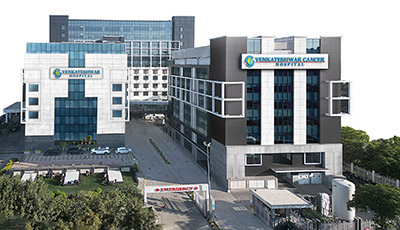
At Venkateshwar Hospitals, rectal carcinoma is managed with a comprehensive, patient-centric approach, ensuring that each treatment plan is tailored to the individual’s disease stage, tumour characteristics, and overall health. Our multidisciplinary team of oncologists, colorectal surgeons, gastroenterologists, radiologists, and nutritionists collaborates to deliver advanced, personalised care for optimal outcomes.
1. Surgery
- Local Excision: Used for early-stage tumours to remove cancerous tissue while preserving healthy rectal structures.
- Proctectomy, Low Anterior Resection, or Abdominoperineal Resection: Performed for larger or more invasive tumours to remove affected portions of the rectum and surrounding tissues.
2. Radiation Therapy
- External Beam Radiation: Targets and destroys cancer cells in the rectum.
- Preoperative or Postoperative Radiation: Shrinks tumours before surgery or eliminates residual cancer cells after surgery.
3. Chemotherapy
- Neoadjuvant Therapy: Administered before surgery to reduce tumour size, facilitating easier removal.
- Adjuvant Therapy: Given after surgery to eliminate any remaining cancer cells and reduce recurrence risk.
Used in advanced or metastatic cases to control disease spread.
4.Targeted Therapy
Involves drugs that specifically attack cancer cell pathways, minimising harm to healthy tissue and enhancing treatment precision.
5. Immunotherapy
Boosts the body’s immune system to recognise and fight cancer cells, used in selected advanced cases for improved outcomes.
6. Multidisciplinary Team Approach
Our specialists collaborate closely to design personalised treatment plans, combining surgery, chemotherapy, radiation, targeted therapy, and supportive care to ensure holistic management and improved quality of life for every patient.
Complications of Rectal Cancer
Rectal cancer and its treatment can lead to various complications, affecting bowel function, overall health, and quality of life. Common complications include:
- Bowel Obstruction: Causing severe constipation, pain, and difficulty passing stools.
- Bleeding from the Rectum: May result from tumour erosion or post-treatment changes.
- Metastasis: Spread of cancer to distant organs such as the liver, lungs, or lymph nodes.
- Incontinence After Surgery: Loss of bowel control in some cases due to the surgical impact.
- Recurrence Risk: Possibility of cancer returning, necessitating regular follow-up and monitoring.
Prevention of Rectal Cancer
Although rectal cancer cannot always be prevented, adopting healthy lifestyle choices and early detection strategies can significantly reduce risk. Key preventive measures include:
- Regular Screening: Colonoscopies and other tests are recommended after age 45–50, or after age 40 for individuals with a family history of colorectal cancer.
- Healthy Diet: Consuming a diet high in fibre, fruits, and vegetables.
- Physical Activity: Engaging in regular exercise to maintain overall health.
- Avoid Smoking and Limit Alcohol: Reducing exposure to risk-promoting substances.
- Maintain a Healthy Weight: Supports digestive and overall body health.
Why Choose Venkateshwar Hospitals for Rectal Cancer in Delhi, India?
- Expert Oncologists: Highly experienced colorectal and surgical oncology specialists
- Advanced Technology: PET-CT, MRI, robotic-assisted surgery
- Comprehensive Care: From diagnosis to post-treatment rehabilitation
- Patient-Centric Approach: Personalised treatment plans, counselling, and support
- Location Advantage: Centrally located in Delhi with world-class infrastructure
- Testimonials and success stories reflecting patient satisfaction
Prognosis & Recovery| Rectal Carcinoma
- Early-stage rectal cancer has high survival rates, often above 80%
- Advanced cases require multimodal therapy, but can achieve improved outcomes with timely intervention.
- Regular follow-up and monitoring are crucial for detecting recurrence early and maintaining quality of life.