Preventing melanoma is an important part of maintaining long-term skin health and complements timely Melanoma Cancer Treatment. While factors such as genetics and past sun exposure cannot be changed, simple daily habits can make a significant difference. Wearing sun-protective clothing, applying broad-spectrum sunscreen, and seeking shade during peak sunlight hours all help reduce risk. Regular self-examinations and prompt dermatology visits for any unusual moles or skin changes allow early detection, which can improve treatment outcomes.
By adopting these proactive measures, individuals can feel more in control of their skin health and reduce the likelihood of melanoma development.
Melanoma can occur in anyone, but some people are at higher risk than others. Factors that increase risk include:
Understanding personal risk helps individuals take preventive steps such as skin checks, sun protection, and early medical consultation, especially for suspicious skin lesions.
Melanomas are classified into several types depending on how it appears and how fast it grows.
More common in people with darker skin tones. It develops on the palms, soles of the feet or under the nails.
Recognising early symptoms promotes timely diagnosis. Common signs include:
These symptoms can resemble other skin conditions, so it is important to seek evaluation from a qualified dermatologist or oncologist for timely diagnosis and appropriate skin cancer treatment.
Melanoma results from a combination of genetic and environmental influences. Contributing factors include:
No single cause leads to melanoma, but a combination of risks increases the likelihood of developing the disease.
Accurate diagnosis is essential for planning effective treatment. Tests commonly used include:
Doctors combine clinical examination and laboratory results to decide on the most appropriate treatment pathway.
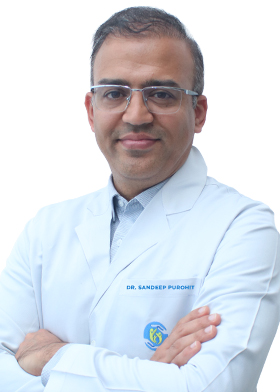
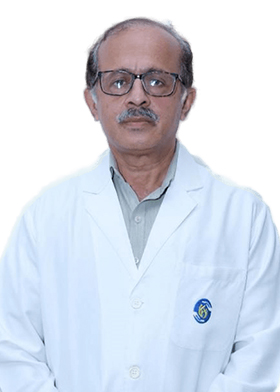
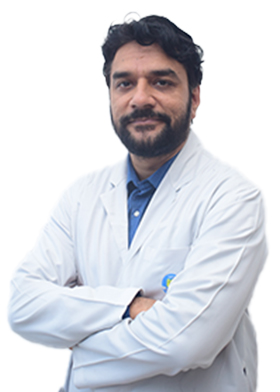
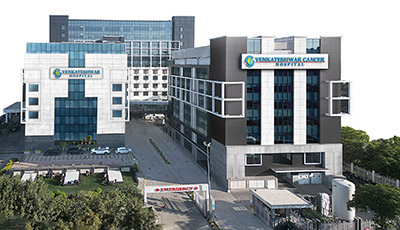
At Venkateshwar Hospital, we offer personalised melanoma treatments designed by our multidisciplinary tumour board.
Complications of Melanoma Cancer
Melanoma can lead to complications if treatment is delayed or if the disease is aggressive. Possible complications include:
Regular monitoring and follow-up care help reduce the risk of complications.
Taking proactive steps can significantly reduce your risk of developing melanoma.
Lifestyle habits play an important role in reducing overall melanoma risk.
Selecting the right hospital is essential for effective melanoma care and a smooth recovery.
Venkateshwar Hospital combines expertise, precision, and compassionate care, making it a trusted choice for melanoma treatment in Delhi.
We're here to help!
Feel free to get in touch with us
for any service or support.
Common signs include new or changing moles, irregular borders, multiple colours, itching, pain, or bleeding from a mole.
Diagnosis involves physical examination, dermatoscopy, biopsy, and imaging tests such as CT, MRI, and PET scans.
Treatment options include surgery, immunotherapy, targeted therapy, radiation therapy, and chemotherapy.
Melanoma is managed by surgical oncologists, medical oncologists, and radiation oncologists.
Early-stage melanoma is often curable. Advanced melanoma may require long-term treatment to control disease progression.
Survival rates depend on stage, tumour depth, lymph node involvement, and early detection.