Epilepsy is a long-term brain condition characterised by recurrent, unprovoked seizures as well as sudden bursts of abnormal electrical activity in the brain. Seizure symptoms can vary widely, ranging from brief lapses in concentration and muscle twitches to severe convulsions and loss of consciousness.
Early diagnosis and appropriate management are very crucial for enhancing the quality of life and minimising the risk of complications. Neurologists determine the cause, type, and frequency of seizures in order to develop effective treatment plans for the patients.
Epilepsy, also known as a “Seizure Disorder” or “Convulsive Disorder,” is a long-lasting condition of the brain that is marked by repeated seizures, which are sudden bursts of abnormal electrical activity in the brain.
Certain individuals are more prone to develop epilepsy due to genetic, medical, or environmental factors. People at higher risks include:
Recognising risk factors allows early screening and preventive monitoring under professional guidance.
Epilepsy is classified based on where seizures begin in the brain and how they manifest. Common types of epilepsy include:
Common subtypes of seizures seen in these forms include:
Understanding the seizure type helps doctors decide on the most appropriate plan of treatment.
Patients with Epilepsy often present with various symptoms, but it all depends on the specific type of epilepsy they have and which part of their brain is affected. However, here are some of the most common symptoms people usually present with :
Since seizures vary in intensity and pattern, it is essential to record their frequency and duration to help doctors plan a more appropriate diagnosis followed by an effective plan of treatment.
Epilepsy may develop due to multiple underlying causes. The common causes of epilepsy include:
In many cases, the exact cause remains unknown, highlighting the importance of a detailed neurological evaluation.
Accurate diagnosis ensures effective treatment and management. Neurologists use advanced tools to identify the origins of seizures and brain abnormalities. Common diagnostic tests include:
These tests help pinpoint the seizure focus, enabling precise treatment planning for every patient.
Epilepsy management requires a personalised, multidisciplinary approach combining medication, advanced therapies, and lifestyle support. The main epilepsy treatment options include:
Anti-seizure drugs are the primary treatment and work by stabilising electrical activity in the brain. Regular follow-ups are essential to adjust dosage and monitor side effects.
For patients whose seizures don’t respond to medication, epilepsy surgery may be an option. The goal is to remove or isolate the brain area responsible for the seizures while preserving essential functions. Common procedures include:
The team combines medical therapy, surgery, and rehabilitation to provide complete epilepsy treatment in Delhi.
Untreated or poorly controlled epilepsy can lead to several complications, such as:
While not all cases are preventable, certain precautions may lower the risk or severity of epilepsy:
Preventive care under professional guidance plays a vital role in reducing seizure frequency and improving outcomes.
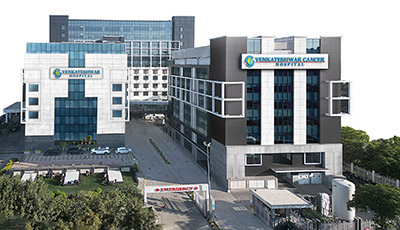
Venkateshwar Hospitals is a reliable place for epilepsy treatment in Delhi. It provides specialised neurological care through a team of experts from different fields. Key highlights include:
The hospital’s integrated approach ensures accurate diagnosis, safe treatment, and compassionate support at every stage.
The outlook for people with epilepsy varies depending on the type, cause, and frequency of seizures, as well as how well they respond to treatment. Many individuals achieve control over seizures with medication, lifestyle adjustments, or other therapies, allowing them to lead full and active lives. Some may experience occasional seizures despite treatment, and a small proportion may have seizures that are difficult to control.
With ongoing medical care, monitoring, and adherence to treatment plans, complications can often be minimised, and quality of life significantly improved. Early diagnosis and personalised management are key to achieving the best long-term outcomes.
We're here to help!
Feel free to get in touch with us
for any service or support.
Epilepsy is treated by neurologists and neurosurgeons who specialise in diagnosing and managing seizure disorders.
While epilepsy cannot always be cured, it can often be effectively controlled with medication or surgical intervention. Always consult your doctor for guidance on the best treatment options.
Ensure their safety by clearing the area around them, placing them on their side, and avoiding any restraints. Seek immediate medical help if the seizure lasts more than five minutes.
Some patients may experience mild side effects, such as fatigue or dizziness. Regular follow-ups help doctors adjust doses and minimise discomfort.
Genetics can play a role in some cases, but environmental and medical factors also contribute. A doctor can assess risk through family history and genetic testing.
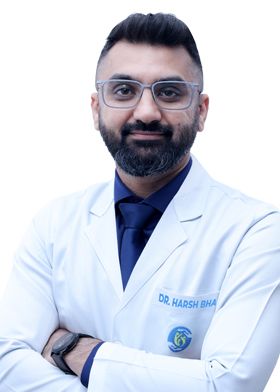
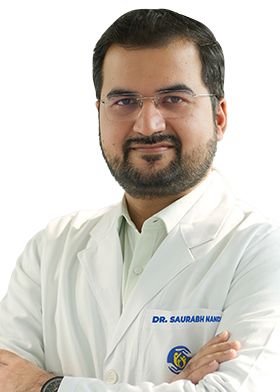
The Best Doctors for Epilepsy Treatment in Delhi are experienced neurologists who specialise in accurate diagnosis and advanced seizure management. At Venkateshwar Hospital, expert doctors provide personalised care using modern technology, ensuring effective treatment and a better quality of life for patients.
MBBS, MD (Internal Medicine), DNB (Internal Medicine), DNB (Neurology), MRCP-SCE (Neurology)
Associate Director & Unit Head
Neurology
MBBS, MD (Internal Medicine), DM (Neurology), DNB (Neurology)
Consultant
Neurology