To Book an Appointment Call Us +91-11-69-262-700

Vulvar cancer is a rare but serious form of gynaecological cancer that affects the external female genital area. Although it accounts for a small percentage of cancers in women, its impact on physical comfort, emotional well-being, and quality of life can be significant if diagnosis is delayed. Many early symptoms are subtle and often mistaken for common skin or gynaecological conditions, which makes awareness and early medical evaluation essential.

With timely detection, accurate diagnosis, and a structured treatment approach, outcomes for vulvar cancer can be favourable. In Delhi, advanced diagnostic tools and specialist-led care have improved access to effective vulvar cancer treatment. Venkateshwar Hospital provides

comprehensive cancer care supported by experienced gynaecologic oncologists, modern technology, and a patient-centred approach.

What Is Vulvar Cancer?

Vulvar cancer is a malignancy that develops in the tissues of the vulva, which includes the labia majora, labia minora, clitoris, and the outer opening of the vagina. It usually begins as a slow-growing lesion on the skin and may progress over time if left untreated.

Unlike cervical or ovarian cancer, vulvar cancer primarily affects the skin and surface tissues of the external genital area. This distinction is important because symptoms are often visible but may be overlooked or ignored. Early medical evaluation of persistent vulvar changes plays a crucial role in successful vulvar cancer treatment.

Who Is at High Risk from This Disease?

Certain factors increase the likelihood of developing vulvar cancer. These include:

  • Women over the age of 50
  • Persistent infection with high-risk types of HPV
  • History of vulvar intraepithelial neoplasia or other precancerous vulvar conditions
  • Smoking, which weakens local immune defences
  • A compromised immune system due to conditions such as HIV or long-term immunosuppressive therapy

Having one or more risk factors does not guarantee cancer development, but it does underline the importance of regular gynaecological check-ups.

Types of Vulvar Cancer

Vulvar cancer is classified based on the type of cells involved:

  • Squamous cell carcinoma – The most common form, accounting for the majority of cases
  • Adenocarcinoma – Develops from glandular cells, including Bartholin gland cancers
  • Melanoma – Arises from pigment-producing cells and may behave more aggressively
  • Basal cell carcinoma – A slow-growing cancer typically confined to the vulvar skin
  • Sarcoma – A rare type originating from connective tissue

Identifying the specific type is essential for planning appropriate vulvar cancer treatment.

Symptoms of Vulvar Cancer

Symptoms often develop gradually and may persist for months before diagnosis. Common signs include:

  • Persistent itching, burning, or irritation of the vulva
  • Changes in skin colour or thickening of vulvar skin
  • Lumps, ulcers, warty growths, or open sores that do not heal
  • Pain or discomfort during urination or sexual intercourse
  • Unexplained bleeding or discharge not related to menstruation

Any symptom that persists beyond a few weeks should be evaluated by a healthcare professional.

Causes of Vulvar Cancer

Vulvar cancer develops due to a combination of environmental, viral, and cellular factors. Known contributors include:

  • Infection with high-risk strains of Human Papillomavirus
  • Chronic inflammation or long-standing vulvar skin conditions
  • Genetic changes within vulvar skin cells
  • Smoking, which increases cancer risk by impairing the immune response
  • Poor genital hygiene contributing to repeated irritation or infection

Understanding these factors helps guide both prevention strategies and treatment planning.

Diagnosis and Tests for Vulvar Cancer

Accurate diagnosis is the foundation of effective vulvar cancer treatment. Evaluation typically involves:

  • Infection with high-risk strains of Human Papillomavirus
  • Chronic inflammation or long-standing vulvar skin conditions
  • Genetic changes within vulvar skin cells
  • Smoking, which increases cancer risk by impairing the immune response
  • Poor genital hygiene contributing to repeated irritation or infection

Staging the disease allows doctors to tailor treatment to the extent of cancer involvement.

Treatment for Vulvar Cancer

Treatment depends on cancer type, stage, location, and the patient’s overall health. At Venkateshwar Hospital, vulvar cancer treatment is planned through a multidisciplinary approach.

  • Surgery – May involve wide local excision, partial or complete vulvectomy, and removal of nearby lymph nodes when necessary
  • Radiation therapy – Used before surgery to shrink tumours or after surgery to reduce recurrence risk
  • Chemotherapy – Often combined with radiation in advanced cases
  • Targeted therapy or immunotherapy – May be considered for recurrent or metastatic disease

Personalised treatment planning ensures optimal cancer control while preserving function and quality of life wherever possible.

Complications of Vulvar Cancer

While treatment outcomes have improved, some complications may occur:

  • Post-surgical pain or scarring
  • Lymphedema caused by lymph node removal
  • Emotional distress, body image concerns, and sexual health challenges

Supportive care and counselling play an important role in long-term recovery.

Prevention of Vulvar Cancer

Although not all cases can be prevented, risk can be reduced through:

  • HPV vaccination at recommended ages
  • Regular gynaecological examinations
  • Safe sexual practices
  • Avoidance of smoking
  • Early treatment of vulvar skin disorders

Preventive care remains one of the most effective tools against advanced disease.

Why Choose Venkateshwar Hospital for Vulvar Cancer Treatment in Delhi?

Venkateshwar Hospital offers structured and compassionate vulvar cancer treatment supported by:
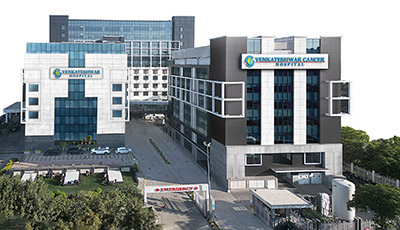
  • Experienced gynaecologic oncologists and cancer specialists
  • Advanced diagnostic imaging and surgical facilities
  • Multidisciplinary coordination across oncology, radiology, and pathology
  • Focused attention on emotional recovery and post-treatment quality of life
  • Accessible location and comprehensive support services in Delhi

Get In Touch

Venkateshwar Hospital for Cancer Treatment
Need Assistance?

We're here to help!
Feel free to get in touch with us
for any service or support.

+91-11-48-555-555

Contact Us

Frequently Asked Questions

1. What is the first sign of vulvar cancer?

The first signs of vulvar cancer are often persistent itching, noticeable changes in the vulvar skin, or a sore that does not heal.

2. Can vulvar cancer be cured completely?

Vulvar cancer can often be treated successfully when it is diagnosed at an early stage and managed with appropriate medical care.

3. Who treats vulvar cancer?

Vulvar cancer is treated by gynaecologic oncologists, who are specialists trained in managing cancers of the female reproductive system.

4. What is the recovery time after surgery for vulvar cancer?

Recovery time after surgery depends on the type and extent of the procedure, but most patients begin returning to normal daily activities within a few weeks.

5. Is vulvar cancer caused by HPV infection?

HPV infection is a significant risk factor for vulvar cancer, particularly for the most common type known as squamous cell carcinoma.

6. How common is vulvar cancer?

Vulvar cancer is considered a rare condition and accounts for a small proportion of all gynaecological cancers.

7. Can vulvar cancer return after treatment?

Vulvar cancer can return after treatment, which is why regular follow-up appointments are essential for early detection of recurrence.


Our Medical Experts

Dr. Sunil Kumar Gupta

MBBS, MD, DM

Principal Director & HOD

Haemato Medical Oncology & Bone Marrow Transplant

Book an Appointment

Dr. Mayank Aggarwal

MBBS, MD, DrNB (Medical Oncology), MRCP-SCE (Medical Oncology)

Sr. Consultant & Unit Head

Medical Oncology

Book an Appointment

Dr. Chitresh Yadav

MBBS, MD (Pathology), DM (Clinical Haematology)

Consultant

Haemato Oncology & Bone Marrow Transplant

Book an Appointment

Dr. Santosh Raut Kurmi

MBBS, MD, Fellowship (Haemato Oncology & BMT)

Consultant

Haemato Oncology & Bone Marrow Transplant

Book an Appointment

Dr. Shipra Gupta

MBBS, MD (MC Pant Gold Medalist), DNB, DrNB (Medical Oncology), ECMO Certified

Consultant

Medical Oncology

Book an Appointment

Dr. Manoj Kumar Sharma

MBBS, MD (Radiation Oncology), Fellowship in Proton Therapy (USA)

Director & Unit Head

Radiation Oncology

Book an Appointment

Dr. Kanika Bansal

MBBS, DNB

Sr. Consultant

Radiation Oncology

Book an Appointment

Dr. Sandeep Purohit

MBBS, MD (Radiation Oncology)

Consultant

Radiation Oncology

Book an Appointment

Dr. (Lt. Col) Aditya Pradhan

MBBS, MS, DNB

Principal Director

Urology, Uro-Oncology, Robotics & Renal Transplant

Book an Appointment

Dr. (Maj Gen) D V Singh

MBBS, MS, M.Ch (Urology)

Principal Director

Urology, Uro-Oncology, Robotics & Renal Transplant

Book an Appointment

Dr. Rohit Juneja

MBBS, MS (Gold Medallist), M.Ch

Sr. Consultant

Urology, Uro-Oncology, Robotics & Renal Transplant

Book an Appointment

Dr. Ashutosh Kumar

MBBS, MS, DrNB (Urology)

Associate Consultant

Urology, Uro-Oncology, Robotics & Renal Transplant

Book an Appointment

Dr. Hitesh Kumar Kundu

MBBS, DNB (Surgery), DrNB (Urology)

Associate Consultant

Urology, Uro-Oncology, Robotics & Renal Transplant

Book an Appointment

Dr. Pankaj Gupta

MBBS, MS (General Surgery), DrNB (Urology), FICRS

Consultant

Urology, Uro-Oncology, Robotics & Renal Transplant

Book an Appointment

Dr. Dinesh Chandra Katiyar

MBBS, MS, M.Ch

Director

Surgical Oncology & Robotic Surgery

Book an Appointment

Dr. Rudra Prasad Acharya

MBBS, MS, FAIS, FACS, FIAGES

Director

Surgical Oncology & Robotic Surgery

Book an Appointment

Dr. Shveta Tyagi Giri

MBBS, MS, Fellowship/Trainee in Gynae Oncology

Director

Gynae Oncology & Robotic Surgery

Book an Appointment

Dr. Puneet Dargan

MBBS, MS (General Surgery), Master’s (HPB Surgery), European Diploma (HPB Onco-Surgery)

Principal Director & Head

Liver Transplant, GI Surgery, GI Oncology & Robotics

Book an Appointment

Dr. Tanuja Mallik

MBBS (Gold Medalist), DNB (Anaesthesiology), MNAMS

Director & HOD

Liver Transplant Anaesthesia & Critical Care

Book an Appointment

Dr. Manish Srivastava

MBBS, MS (General Surgery), DrNB (Surgical Gastroenterology), Fellowship in Liver Transplant Surgery, FALS (Robotic Surgery), FALS (Oncology), FALS (Colo-Rectal Surgery), FALS (Bariatric), FMAS, MMAS-HPB, FAGIE

Sr. Consultant

GI Surgery, GI Oncology & Liver Transplant

Book an Appointment

Dr. Aditya Gupta

MBBS, MD (Paediatrics), DM (Paediatric Oncology)

Consultant

Paediatric Oncology

Book an Appointment

Related Blog

Related Conditions & Treatments

Designed and Developed By: Innovative Infonet Private Limited

Book an Appointment
Quick Query