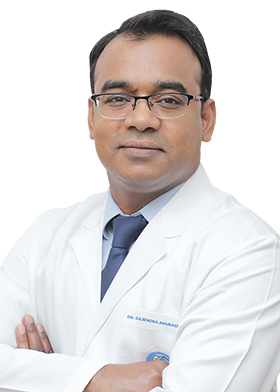
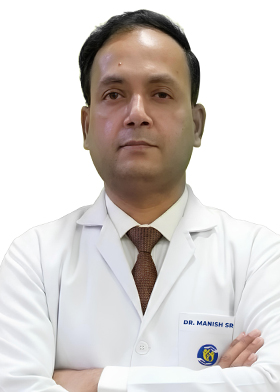
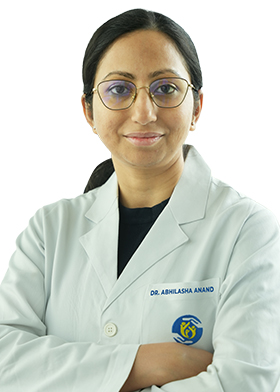
Skin cancer occurs when skin cells grow uncontrollably, often due to damage from ultraviolet (UV) radiation from the sun or tanning devices. This abnormal growth can invade surrounding healthy tissue and, in some cases, spread to other parts of the body. The primary forms include basal cell carcinoma, squamous cell carcinoma, and melanoma. While basal cell and squamous cell cancers are more common and usually curable with minor procedures, melanoma is less frequent but more aggressive, with a higher likelihood of metastasis if not detected early.
High Risk Groups for Skin Cancer
Specific individuals are at higher risk of developing skin cancer. Genetic, environmental, and lifestyle factors all contribute to risk.
- Age over 50 years
- Fair skin or history of frequent sunburns
- Prolonged exposure to sunlight or tanning beds
- Family history of skin cancer
- Weakened immune system (e.g., HIV, organ transplant patients)
- Residence in high UV exposure regions
- Presence of multiple atypical moles or certain rare genetic conditions like xeroderma pigmentosum
Types of Skin Cancer
Skin cancer develops from different types of cells in the skin, and each type behaves differently, requiring tailored approaches to diagnosis and treatment:
- Basal Cell Carcinoma (BCC): This is the most common form of skin cancer. It usually grows slowly and rarely spreads to other parts of the body. However, if left untreated, BCC can cause significant local tissue damage and disfigurement, particularly on the face and other visible areas. Early detection enables effective removal, often with minimal surgery.
- Squamous Cell Carcinoma (SCC): SCC originates from the outer layers of the skin and can invade deeper tissues if left untreated. It has a higher risk of spreading (metastasising) to lymph nodes or other organs compared with BCC. Early intervention significantly improves treatment outcomes.
- Melanoma: Although less common, melanoma is more aggressive and can spread rapidly to other organs if not detected early. It develops from pigment-producing cells called melanocytes. Prompt diagnosis and treatment are crucial in reducing the risk of metastasis and improving survival rates.
Other Rare Forms:
- Merkel Cell Carcinoma: A rare neuroendocrine tumour of the skin that grows quickly and can spread to lymph nodes and distant organs. Early recognition and specialised care are crucial.
- Kaposi Sarcoma: An endothelial cell malignancy often associated with HIV/AIDS. While it can appear on the skin, it is not considered a typical skin cancer and requires a different treatment approach.
Symptoms of Skin Cancer
Early signs of skin cancer may be subtle but should not be ignored:
- New growths or sores that don’t heal
- Changes in existing moles (size, shape, or colour)
- Irregular borders or multiple colours in skin spots
- Red patches or scaly lesions
- Itching, tenderness, or bleeding spots
Causes of Skin Cancer
Skin cancer develops due to a combination of genetic and environmental factors that lead to DNA mutations in skin cells. Key causes include:
- UV radiation from sunlight or tanning beds
- Genetic mutations, mostly sporadic
- Rare inherited syndromes (e.g., Familial Atypical Multiple Mole Melanoma Syndrome)
- Exposure to harmful chemicals like arsenic in some settings
- Immunosuppression due to disease or medication
Diagnosis & Tests of Skin Cancer
Accurate diagnosis is crucial for determining the type, stage, and optimal treatment approach for skin cancer. At Venkateshwar Hospitals, our specialists follow a comprehensive diagnostic pathway:
- Clinical Examination: A dermatologist thoroughly examines the skin for suspicious lesions, noting changes in size, shape, or colour.
- Skin Biopsy: The gold standard for confirming skin cancer. A small tissue sample is removed and analysed under a microscope to determine the exact type and aggressiveness of the tumour.
- Dermatoscopy: Uses a magnifying device to examine lesions in detail, helping differentiate benign from malignant growths.
- Imaging Tests (CT, MRI, PET scans): Recommended only for advanced cases, melanoma, or when metastasis is suspected, to assess the spread of cancer.
- Molecular Testing: Reserved for advanced melanoma cases to identify specific genetic mutations, guiding targeted therapy.
Routine imaging is generally not required for early-stage non-melanoma skin cancers, ensuring minimal intervention when unnecessary.
Treatment of Skin Cancer
Treatment at Venkateshwar Hospitals is personalised, taking into account the type of skin cancer, its stage, and the patient’s overall health. Our multidisciplinary team ensures optimal outcomes using a variety of approaches:
- Surgery: Precise surgical excision is performed to remove cancerous tissue while preserving as much healthy skin as possible, depending on the tumour’s size and location.
- Radiation Therapy: High-energy rays are used to target and destroy cancer cells, particularly in cases where surgery is not feasible or as an adjunct to surgical treatment.
- Chemotherapy: Topical treatments are applied for superficial lesions, while systemic chemotherapy is reserved for advanced or metastatic disease.
- Targeted Therapy: Medicines designed to block specific molecular pathways in advanced melanoma help improve treatment effectiveness.
- Immunotherapy: Enhances the body’s immune response to recognise and attack cancer cells more effectively.
- Photodynamic Therapy (PDT): A light-based treatment suitable for superficial skin cancers, which minimises damage to surrounding healthy tissue.
- Reconstructive Surgery: Restores appearance and function following the removal of larger or complex lesions, supporting both cosmetic and psychological recovery.
Complications of Skin Cancer
If untreated, skin cancer may cause:
- Local tissue destruction or cosmetic disfigurement
- Spread to lymph nodes or distant organs (metastasis)
- Recurrence after treatment
- Emotional and psychological impact
Prevention of Skin Cancer
Preventive measures include:
- Broad-spectrum sunscreen and protective clothing
- Avoiding tanning beds
- Regular self-examination of moles and skin lesions
- Annual dermatologist check-ups for high-risk individuals
- Healthy lifestyle: balanced diet, no smoking, limited alcohol
Why Choose Venkateshwar Hospitals for Skin Cancer in Delhi, India?
- Expert Team – Specialised dermatologists and oncologists manage all primary skin cancers, including basal cell carcinoma, squamous cell carcinoma, and melanoma.
- Accurate Diagnosis – Dermatoscopy, skin biopsy, and molecular testing ensure precise detection and staging.
- Personalised Treatment – Tailored plans include surgical excision, laser therapy, pulse therapy, cryotherapy, photodynamic therapy, and systemic therapies for advanced cases.
- Reconstructive Support – Procedures restore appearance and function after tumour removal.
- Comprehensive Care – Counselling, nutrition guidance, wound management, and follow-up support for recovery.
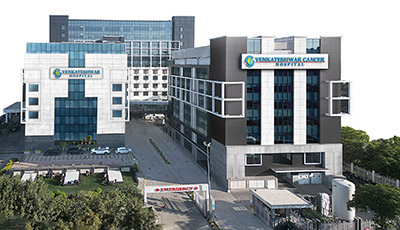
- Advanced Facility – NABH-accredited, multi-speciality hospital with a dedicated cancer centre offering end-to-end care under one roof.
Prognosis & Recovery of Skin Cancer
The prognosis of skin cancer depends on type, stage at diagnosis, and treatment timeliness. Non-melanoma skin cancers are usually highly treatable when detected early. Melanoma is more aggressive, but outcomes are improving with advanced therapies like immunotherapy and targeted therapy. Recovery focuses not only on eliminating cancer but also on maintaining quality of life, including cosmetic and psychological well-being. Continuous monitoring post-treatment helps detect recurrence early, manage side effects, and ensure long-term health. Early diagnosis, adherence to treatment, and follow-up care significantly improve survival and recovery prospects.