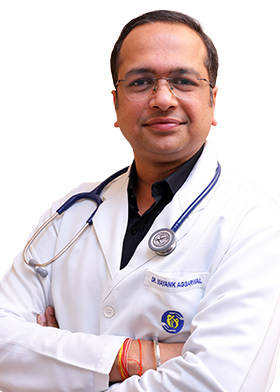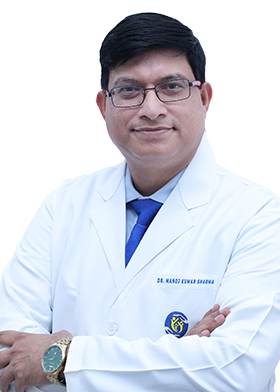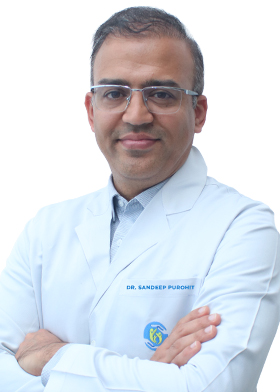
Oropharyngeal cancer affects the middle part of the throat, which includes the tonsils, the base of the tongue, the soft palate, and the walls of the pharynx. Since these areas help with essential functions such as breathing, swallowing, and speaking, any condition affecting them requires timely and expert care.
In Delhi, oropharyngeal cancer treatment has evolved significantly, with advanced options that include Robotic Surgery, such as Transoral Robotic Surgery, Laser Microsurgery, Chemotherapy, Radiation Therapy, Targeted Therapy, and Immunotherapy. Many leading hospitals in the city, including Venkateshwar Hospital, provide these modern treatments with a strong focus on personalised care.
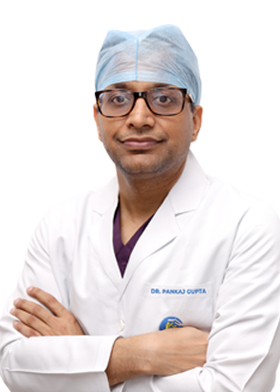
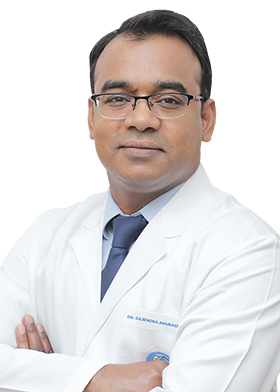
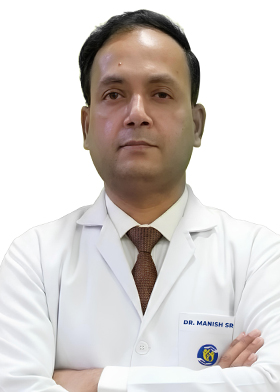
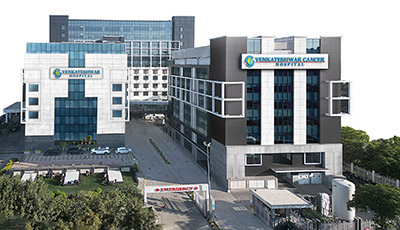
At Venkateshwar Hospital, our team prioritises both clinical excellence and emotional support. With experienced cancer specialists, advanced technologies, and a patient-centred approach, we aim to provide comprehensive and comforting care at every step.
Oropharyngeal cancer develops when abnormal cells begin to multiply in the oropharynx, which is the section of the throat located just behind the mouth. As these cells continue to grow, they can form a tumour and may spread to surrounding tissues or lymph nodes.
This condition can be caused by several factors. One of the most significant causes today is infection with Human Papillomavirus (HPV), especially HPV type 16. HPV related cancers often respond well to treatment. Traditional risk factors include smoking, heavy alcohol consumption, and chronic irritation of throat tissues.
Regardless of the underlying cause, early diagnosis is crucial for effective treatment and improved outcomes.
Certain individuals have a higher risk of developing oropharyngeal cancer. These include:
Early assessment and screening can be helpful for anyone with these risk factors.
There are several types of cancer that may develop in the oropharynx. These include:
Understanding the exact type helps doctors plan the most suitable treatment.
Oropharyngeal cancer may begin with symptoms that seem like regular throat infections, but persistent signs should be evaluated by a specialist. Key cancer symptoms include:
Seeking early medical advice can make treatment more effective.
Oropharyngeal cancer can develop due to several risk factors and lifestyle influences.
Accurate diagnosis ensures the best treatment plan. At Venkateshwar Hospital, we use a combination of clinical evaluation and advanced imaging. These may include:
Platforms like Practo can also help individuals find specialists across Delhi, such as head and neck oncologists or surgical oncologists, although all evaluations and further tests are comfortably available at Venkateshwar Hospital itself.
Delhi has become a hub for modern cancer treatment, and Venkateshwar Hospital offers the full spectrum of advanced care. Treatment is always tailored to the patient’s needs and the stage of the
Surgery
Both traditional open surgery and minimally invasive techniques are used. Minimally invasive procedures like Transoral Robotic Surgery (TORS) and Transoral Laser Microsurgery (TLM) allow surgeons to access tumours with greater precision while preserving healthy tissue.
Radiation Therapy
High-energy radiation targets cancer cells and stops them from growing. It may be used alone or combined with chemotherapy.
Chemotherapy
Chemotherapy uses anti-cancer drugs to kill cancer cells or prevent them from multiplying. It is often combined with radiation for more effective results.
Targeted Therapy
These medications focus on specific proteins or pathways that contribute to cancer growth. They tend to have more focused effects compared to traditional chemotherapy.
Immunotherapy
Immunotherapy helps strengthen the body’s own defence system so it can recognise and destroy cancer cells. This treatment is especially helpful in advanced or recurrent cases.
Multidisciplinary Approach
The best outcomes occur when different specialists work together. In Delhi, many leading centres follow this practice, and Venkateshwar Hospital is among the key institutions offering comprehensive care through a multidisciplinary tumour board.
This includes head and neck surgeons, radiation oncologists, medical oncologists, radiologists, nutritionists and rehabilitation experts.
Oropharyngeal cancer can lead to various health complications affecting daily life and overall well-being.
Our rehabilitation team works closely with patients to restore comfort and quality of life.
Although not all cases can be prevented, the following steps help reduce the risk:
Preventive healthcare plays a vital role in early detection.
Venkateshwar Hospital stands out as a trusted centre for head and neck cancer care. Our strengths include:
Our focus is always on providing world-class care with compassion, clarity and confidence.
We're here to help!
Feel free to get in touch with us
for any service or support.
A team that typically includes ENT specialists, head and neck surgeons, medical oncologists and radiation oncologists.
Early signs of the disease may include a sore throat that doesn’t heal, changes in the voice, trouble swallowing, and lumps in the neck.
With physical examination, endoscopy, biopsy, imaging tests and HPV testing.
Yes. In many cases, especially HPV related ones, respond well to treatment when detected early.
HPV type 16 is a major cause, and cancers linked to this virus often respond better to modern treatments.
It varies depending on the treatment plan and the stage of cancer. Your doctor will guide you through a personalised timeline.
Yes. Avoiding tobacco, reducing alcohol, practising good oral hygiene and attending regular follow-ups are important for recovery.