Childhood cancer, also called paediatric cancer, refers to cancers that develop in children and adolescents, typically between the ages of 0 and 19. These cancers often arise from different cell types and tissues, including the haematopoietic system (blood-forming cells), the central nervous system, muscles, and bones. Unlike many adult cancers, childhood cancers are usually not linked to lifestyle factors but result from genetic mutations or developmental changes during growth.
High Risk Groups for Childhood Malignancies
Certain children are more susceptible to developing cancer due to inherited, medical, or environmental factors. Identifying these high-risk groups helps in early monitoring and timely intervention.
- Genetic Syndromes: Children with conditions such as Down syndrome or Li-Fraumeni syndrome have a higher likelihood of developing malignancies.
- Family History: A history of specific cancers in close relatives can increase a child’s risk.
- Previous Radiation Exposure: Children who have undergone radiation treatment for other medical conditions may be more prone to developing cancer.
- Weakened Immune System: Children with compromised immunity, including post-transplant patients or those with HIV, are at elevated risk, mainly for lymphoma and leukaemia.+
Types of Childhood Cancers
Childhood cancers encompass a variety of malignancies that affect different tissues and organs in young patients. Understanding the main types helps in early recognition and effective management.
- Leukemia: The most common childhood cancer, affecting the blood and bone marrow. It includes Acute Lymphoblastic Leukemia (ALL) and Acute Myeloid Leukemia (AML), both characterised by the rapid production of abnormal white blood cells.
- Brain and Spinal Cord Tumours: Tumours in the central nervous system can impact brain function, balance, and neurological development. Common examples include medulloblastomas and astrocytomas.
- Neuroblastoma: A cancer arising from immature nerve cells, usually in the adrenal glands, and among the most common childhood cancers.
- Wilms Tumour: A rare kidney cancer primarily affecting children under five, often presenting as an abdominal mass.
- Lymphomas: Cancers of the lymphatic system, including Hodgkin and Non-Hodgkin lymphoma, which can cause swollen lymph nodes, fatigue, and systemic symptoms.
- Rhabdomyosarcoma: A malignant tumour of muscle tissue that can occur anywhere in the body, frequently in the head, neck, or limbs.
- Retinoblastoma: An eye cancer seen in young children, also among the most common paediatric cancers, which may present as vision problems or a white reflection in the pupil.
- Bone Cancers: This includes osteosarcoma and Ewing sarcoma, which can occur in both bone and soft tissue, often presenting with pain, swelling, or fractures.
Symptoms of Childhood Cancers
Recognising early signs of cancer in children is crucial for prompt diagnosis and effective treatment. Symptoms can vary depending on the type and location of the cancer, but often include general and specific warning signs, which parents and caregivers should watch for closely.
- Persistent fever, fatigue, or unexplained weight loss
- Frequent infections
- Swelling or lumps in the body
- Headaches, nausea, or vomiting
- Vision problems
- Bone pain, fractures, or limping
- Night sweats
- Easy bruising or unusual bleeding
Causes of Childhood Cancers
The development of cancer in children is complex and can involve multiple factors. While the precise cause is often unknown, specific genetic, hereditary, and environmental factors can increase the likelihood of malignancy.
- Genetic mutations that affect normal cell growth
- Inherited syndromes that increase cancer risk
- Rare environmental exposures (e.g., radiation, chemicals)
- Weakened immune system
(Note: In most cases, the exact cause of childhood cancers is not known.)
Diagnosis / Tests for Childhood Cancers
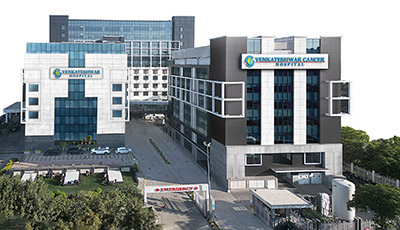
Early and accurate diagnosis is essential in managing childhood cancers effectively. At Venkateshwar Hospitals, a combination of clinical assessments and advanced investigations is used to confirm the presence, type, and extent of cancer in paediatric patients.
- Physical Examination and Medical History: A thorough evaluation of the child’s overall health, growth patterns, and symptoms helps identify potential warning signs of cancer.
- Blood Tests: A complete blood count (CBC) and specific tumor markers can reveal abnormalities in blood cells or indicate the presence of cancer.
- Imaging Tests: Techniques such as MRI, CT scans, PET scans, and ultrasound provide detailed information about tumor location, size, and spread, assisting in treatment planning.
- Biopsy: Tissue samples from the tumour or bone marrow are examined under a microscope to confirm cancer type and guide therapy decisions.
- Lumbar Puncture (Spinal Tap): Used for suspected cases of leukaemia or brain cancers to check for cancerous cells in the cerebrospinal fluid.
- Genetic Testing: Recommended mainly for children from syndromic or at-risk families to identify inherited cancer syndromes or specific mutations that may influence treatment decisions and long-term monitoring strategies.
Treatment of Childhood Cancers
Treatment of childhood cancers at Venkateshwar Hospitals focuses on specialised, child-friendly approaches, combining advanced therapies with comprehensive supportive care to improve survival outcomes and overall quality of life.
- Chemotherapy: Venkateshwar follows carefully designed chemotherapy protocols for paediatric patients, aiming to control or eliminate cancer cells while minimising side effects effectively.
- Radiation Therapy: High-energy radiation is used when required, sometimes alongside other treatments, to shrink or destroy tumours with safety and precision for young patients.
- Surgery: Experienced paediatric surgeons perform tumour removal when appropriate, often complemented by additional therapies to reduce the risk of recurrence.
- Targeted Therapy and Immunotherapy: Modern treatments selectively attack cancer cells while preserving healthy tissues, enhancing treatment effectiveness, and reducing adverse effects.
- Bone Marrow/Stem Cell Transplant: This procedure, particularly for conditions like leukemia, replaces damaged bone marrow with healthy cells to restore normal blood and immune function.
- Supportive Care: Dedicated teams provide holistic support, including pain relief, infection prevention, nutritional guidance, and psychological assistance for both the child and their family throughout the treatment journey.
Complications of Childhood Cancers
Childhood cancers and their treatments often bring both immediate and long-term complications, affecting not only the physical health but also the emotional and social well-being of the child and family.
- Short-term side effects such as nausea, infections, and hair loss
- Long-term issues like learning difficulties, fertility problems, and growth delays
- Risk of developing secondary cancers due to prior treatment
- Emotional and psychological challenges for both child and family
Prevention of Childhood Cancers
Prevention of childhood cancers is challenging because most cases arise from genetic or developmental factors rather than lifestyle choices. However, certain measures can help lower risks in vulnerable groups and support early detection.
- Most childhood cancers cannot be prevented
- Genetic counselling for families with inherited cancer risks
- Avoiding unnecessary radiation exposure in children
- Promoting healthy lifestyle habits and regular pediatric check-ups for early detection
Why Choose Venkateshwar Hospitals for Childhood Cancers in Delhi, India?
- Highly experienced team of pediatric oncologists and multidisciplinary specialists
- Advanced diagnostic facilities such as PET-CT, MRI, and genetic testing
- Comprehensive treatment options under one roof – chemotherapy, surgery, radiation, and stem cell transplant
- Dedicated pediatric ICU and rehabilitation support
- Child-friendly environment with play therapy, counselling, and nutritional support
- NABH-accredited hospital with international quality standards
Prognosis & Recovery| Childhood Cancers
With advances in medical treatments, the survival rate for childhood cancers has significantly improved in recent years. Prognosis depends on the type of cancer, its stage at diagnosis, and the child’s overall response to treatment. With timely intervention at a specialized center like Venkateshwar Hospitals, many children survive and lead healthy lives, although some may face long-term challenges.