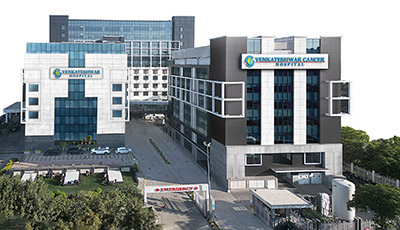
Chemotherapy is a medical treatment that uses special drugs to destroy or slow down the growth of replicating cancer cells. It is one of the most widely used methods in oncology and is often combined with surgery or radiation therapy for better outcomes. At Venkateshwar Hospital, chemotherapy is a part of cancer care, delivered as part of comprehensive oncology services. This is where patient comfort, advanced technology, and expert medical teams work together to provide safe and effective treatment. We have a dedicated daycare facility, inpatient department (IPD), and trained nursing staff for the preparation and administration of cytotoxic drugs.
Chemotherapy is also known by different names, such as:
Different approaches to chemotherapy treatment in Dwarka, Delhi are available depending on the patient’s condition:
Chemotherapy is used for a wide range of cancers, including breast, colon, lung, solid tumours, lymphomas, and blood cancers. It may be prescribed when cancer has spread, when surgery alone cannot remove all cancer cells, or to improve survival rates and quality of life. Eligibility depends on factors such as the stage of the disease, patient’s age, overall health (including co-morbid conditions), and response to earlier treatments.
Before starting chemotherapy, doctors usually recommend tests such as blood investigations (CBC/ RFT/ LFT/ S-Cal/ RBS), imaging scans (PET CT Scan/ Bone Scan/ PSMA PET/ DOTA NOC/ CT/ MRI), and cardiac assessments (ECG/ ECHO/ MUGA Scan). Patients may be advised on nutrition, hydration, and rest to strengthen the body. Certain medicines may need to be stopped before treatment begins. Emotional well-being is equally important, and counselling services at the hospital help patients and families prepare mentally.
The process begins with consultations where treatment goals are explained. Patients may have a Hickman line, PICC line, or chemo port inserted to allow safe and repeated administration of drugs. Routine checks of blood counts and vital signs are carried out as per protocol.
Chemotherapy drugs are usually given through an IV line, but oral (targeted) medications are also used in some cases. The duration of each session varies from a few minutes to several hours or days, depending on the drug protocol. At Venkateshwar Cancer Hospital, chemotherapy is provided in a dedicated daycare facility with trained oncology nurses, advanced equipment for monitoring, and trained cytotoxic drug personnel.
Patients are monitored for immediate reactions, and follow-up appointments are scheduled to track progress. Doctors give clear instructions on managing side effects at home, including diet, rest, and precautions to prevent infections.
Recovery from chemotherapy is different for every patient. Some may feel better within weeks, while others take longer depending on their health and the type of drugs used. Emotional recovery is as important as physical healing. A balanced diet, light physical activity, and guidance from nutrition experts at Venkateshwar Cancer Hospital help patients regain strength.
While chemotherapy is effective, it can have side effects. These include nausea, fatigue, pancytopenia, hair loss, and loss of appetite in the short term. Long-term risks may include fertility issues (in younger patients), nerve damage, and increased risk of infections due to reduced immunity. The medical team closely monitors patients and provides supportive care to manage these effects.
The success rate of chemotherapy depends on the type and stage of cancer, patient’s health, and early detection. Many patients benefit from combining chemotherapy with surgery and radiation as part of a multidisciplinary approach. Regular follow-ups ensure long-term monitoring and better survival outcomes. With continuous advancements and revolution in oncology and strong emotional support, patients are given renewed hope and strength to fight cancer in the present era.
We're here to help!
Feel free to get in touch with us
for any service or support.
Yes, in some cases, cancer may return after chemotherapy. The likelihood depends on the type of cancer, its stage, and how well the treatment worked. Doctors usually schedule regular follow-ups to monitor progress and detect any recurrence early during follow-up.
Chemotherapy is managed by a team of oncologists, haematologists, trained oncology nurses, and cytotoxic drug personnel. At Venkateshwar Hospitals, these specialists work together to ensure safe administration and close monitoring of patients during follow-up.
The duration of side effects varies. Some may last only a few days after each session, while others like fatigue may continue for weeks. Doctors provide supportive care to help manage these effects during recovery.
The process itself is not usually painful. Patients may feel minor discomfort when a needle, port, or catheter is placed. Some medicines can cause temporary irritation, which is monitored closely by the care team.
In certain cancers, chemotherapy can cure the disease, especially when used in combination with surgery or radiation. In other cases, it may control the disease, shrink tumours, or reduce symptoms to improve quality of life.
Some patients are able to continue working, depending on the type of job and the severity of side effects. Doctors often advise rest and flexible schedules so patients do not compromise their recovery.
Chemotherapy or targeted therapy at stage 4 is often given to slow cancer progression, reduce symptoms, and extend life. Whether it is appropriate depends on the patient’s overall health, cancer type, and goals of care, which are best discussed with specialists.
Patients with poor general health, severe infections, or specific organ dysfunctions (such as heart, kidney, or respiratory diseases) may not be suitable for chemotherapy. Oncologists review test results and medical history before deciding its safety.
There are more than 100 chemotherapy medicines available. Each belongs to a group that works in a different way, such as alkylating agents, antimetabolites, or plant alkaloids. Doctors select the most effective combination based on international protocols for each cancer type.