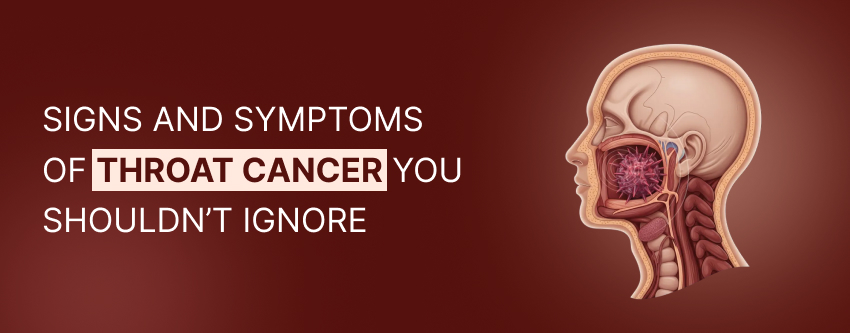
Lymphoma is a type of cancer that starts in the lymphatic system, which is an essential part of the body’s immune system. It develops when lymphocytes, a type of white blood cell, begin to grow and multiply abnormally. Instead of fighting infections, these faulty cells accumulate in the lymph nodes and other tissues, forming tumours and weakening the immune system.
There are two main types of lymphoma: Hodgkin Lymphoma and Non-Hodgkin Lymphoma. Although they behave differently, early diagnosis and timely lymphoma cancer treatment are associated with better outcomes and long-term remission potential.
Certain factors are associated with a higher risk of developing lymphoma. These include:
Having these factors does not mean someone will develop lymphoma, but awareness helps encourage timely medical consultation.
Doctors classify lymphoma to guide treatment decisions. The two primary categories are:
Understanding the subtype is vital, as it influences the choice of therapy and overall treatment plan.
Lymphoma symptoms often resemble common illnesses, so they may be easy to overlook. If the following signs persist, a medical evaluation is important.
If you experience these symptoms for more than two weeks, consult a cancer specialist promptly for assessment and diagnosis.
The exact cause of lymphoma is not fully understood, but several factors influence its development.
These factors may increase risk, but many people with lymphoma have no identifiable cause.
Accurate diagnosis is essential for effective treatment. Lymphoma evaluation generally includes:
1. Physical Examination
Assessment of swollen lymph nodes and examination of the spleen or liver.
2. Blood Tests
Used to check for abnormalities in blood counts or markers that may indicate disease.
3. Imaging Tests
These imaging tools help determine the location and stage of cancer.
4. Biopsy
A tissue sample from a lymph node is examined under a microscope to confirm lymphoma and identify its subtype. This is considered the definitive diagnostic step.
5. Bone Marrow Test
Determines whether cancer has spread to the bone marrow, helping doctors decide on the most appropriate treatment.
Following a confirmed diagnosis, the oncology team creates an individualised treatment plan. Lymphoma cancer treatment has advanced significantly, offering multiple effective therapeutic approaches.
1. Chemotherapy
Chemotherapy is one of the main treatments for many forms of lymphoma. It uses specialised medicines that travel through the bloodstream to target and destroy cancer cells throughout the body.
2. Radiation Therapy
Uses high-energy beams to target cancer in a specific area. Often used for localised lymphoma or combined with chemotherapy.
3. Targeted Therapy
These medicines focus on specific proteins in cancer cells, aiming to minimise impact on healthy cells and reduce side effects.
4. Immunotherapy
Help the body’s immune system recognise and attack cancer cells more effectively.
5. Stem Cell Transplant
Recommended for aggressive or recurrent lymphoma. The procedure replaces damaged bone marrow with healthy stem cells to restore normal blood cell production.
6. Supportive Care
Comprehensive care includes nutritional guidance, pain management, counselling and symptom control to support overall well-being during treatment.
The oncology team at Venkateshwar Hospitals works in a multidisciplinary manner to provide holistic and coordinated care from diagnosis through recovery.
Lymphoma and its treatment may lead to certain complications, including:
Monitoring and supportive care help manage these complications effectively.
There is no guaranteed way to prevent lymphoma, but adopting certain habits may support overall health.
Venkateshwar Hospitals provides comprehensive cancer care supported by modern facilities and a skilled clinical team.
We're here to help!
Feel free to get in touch with us
for any service or support.
Lymphoma is a cancer of the lymphatic system that causes abnormal lymphocytes to grow and accumulate, weakening the immune system and forming tumours in lymph nodes or other tissues.
Common early signs include painless swelling in the neck, armpit, or groin, unexplained fever, night sweats, weight loss, and persistent fatigue. A doctor should assess symptoms that do not improve.
Many types of lymphoma, particularly Hodgkin Lymphoma, are highly treatable. Cure rates depend on the specific subtype, stage, and overall health of the patient.
Lymphoma is treated by haematologists and medical oncologists who specialise in blood cancers.
Lymphoma begins in the lymphatic system, whereas leukaemia starts in the bone marrow and affects the blood.
Treatment options include chemotherapy, radiation therapy, targeted therapy, immunotherapy, stem cell transplant, and supportive care.
Treatment duration varies from a few months to a year, depending on the type and stage of the disease.
Recurrence is possible, which is why regular follow-up appointments are essential to monitor progress and detect any return early.
A nutritious diet, adequate rest, regular gentle exercise, and infection prevention are commonly recommended to support recovery.
You can schedule a consultation by contacting the hospital directly through their website or helpline.