Shoulder replacement is a specialised orthopaedic procedure performed to relieve chronic shoulder pain, restore movement, and improve overall joint function. Medically referred to as shoulder arthroplasty or artificial shoulder joint surgery, the procedure involves replacing damaged joint surfaces with prosthetic components designed to replicate natural shoulder motion.
This surgery is recommended when the shoulder joint becomes severely painful, stiff, or structurally damaged, making everyday activities such as lifting, dressing, or reaching difficult. Conditions commonly leading to total shoulder replacement, partial shoulder replacement, or reverse shoulder replacement include advanced osteoarthritis, irreparable rotator cuff damage, rheumatoid arthritis, and complex fractures that do not respond to conservative treatment.
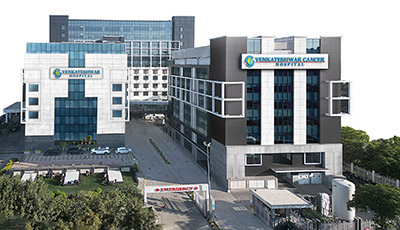
At Venkateshwar Hospitals, advanced orthopaedic expertise, supported by arthroscopic and robotic-assisted techniques, ensures accurate joint reconstruction and patient-focused recovery.
Also known as total shoulder arthroplasty, this involves replacing both the humeral head (ball) and the glenoid (socket) with prosthetic components. It is most suitable for patients with advanced arthritis where the rotator cuff remains intact.
In this form of shoulder arthroplasty, only the humeral head is replaced. It is typically recommended for certain fractures where the socket remains healthy.
In reverse shoulder replacement, the normal anatomy of the joint is reversed, allowing the deltoid muscle to compensate for a damaged or non-functional rotator cuff. This technique is especially effective in cases of rotator cuff tear arthropathy.
Minimally invasive shoulder replacement is a surgical technique that uses smaller incisions and precision instruments to reduce tissue trauma, blood loss, and hospital stay. It is a technical approach rather than a separate type of replacement and is selected based on clinical suitability.
Shoulder replacement surgery may be recommended when patients experience:
Conditions Treated Include:
Early consultation with an orthopaedic specialist at the best orthopaedic hospital in Delhi is essential when shoulder function becomes significantly impaired.
Proper preparation ensures safer surgery and smoother recovery. Patients may be advised to:
A personalised preparation plan is provided based on individual health status.
Patients undergo pre-operative assessments, anaesthesia consultation, and consent formalities. The surgical area is sterilised, and intravenous access is established.
The surgery typically lasts 1 to 2 hours, depending on complexity. Key steps include:
Robotic-assisted technology may be used for enhanced precision and optimal implant positioning.
Post-operative care involves:
Recovery is gradual and essential for restoring full function. Patients can expect:
Full recovery may take several months, with outcomes improving through structured rehabilitation.
Shoulder replacement offers significant improvement in quality of life, including:
Strict surgical protocols and early intervention help minimise these risks.
Venkateshwar Hospital offers comprehensive and advanced care for shoulder replacement in Delhi through:
The hospital focuses on clinical excellence, patient safety, and long-term mobility restoration.
Most patients experience significant pain relief and improved shoulder function following surgery. With proper rehabilitation and follow-up, shoulder implants can remain effective for many years. Early diagnosis and timely intervention are key to achieving optimal results.
We're here to help!
Feel free to get in touch with us
for any service or support.
Orthopaedic surgeons specialising in joint replacement and shoulder arthroplasty perform this procedure.
Yes, most patients gradually resume daily activities as recovery progresses and with physiotherapy guidance.
Complete recovery may take several months, depending on individual healing and adherence to rehabilitation.
High-impact, high-overhead activities may be restricted. Your doctor will provide personalised advice.
There is no fixed age. Surgery depends on the severity of joint damage and overall health status.
Chronic pain, stiffness, limited mobility, and difficulty performing daily tasks are key warning signs.
Pain and recovery vary by patient. Your surgeon will explain expectations specific to your condition.
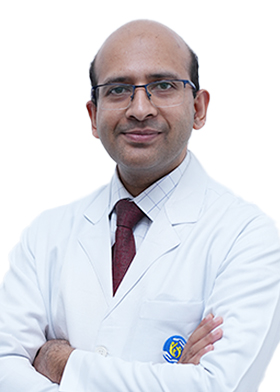
MBBS, MS (Orthopaedics)
Director
Arthroscopy, Sports Medicine & Orthopedics
MBBS, MS (Orthopaedics) (AIIMS, New Delhi)
Sr. Consultant
Arthroscopy, Sports Medicine & Orthopedics