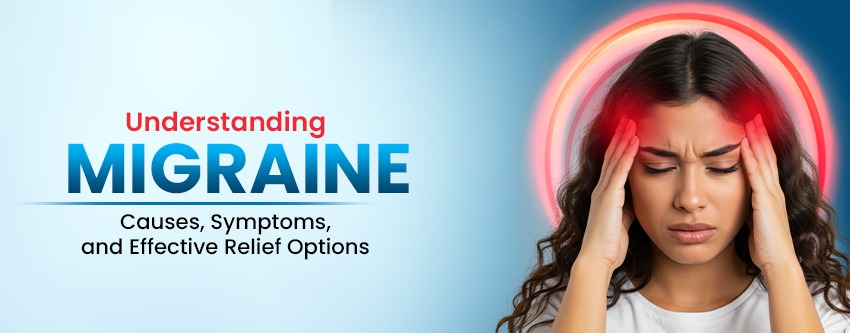
Migraine is a complex neurological condition that affects millions of people worldwide. Many people misunderstand it as a bad headache, but migraine is much more than that. It disrupts life, affects work productivity and significantly reduces quality of life. Understanding migraine headaches their causes and treatment options is essential for managing this condition
Seeking the right migraine treatment is essential for accurate diagnosis, effective management, and long-term relief. At Venkateshwar Hospitals, patients receive comprehensive care from a team of skilled neurologists and specialists who focus on both symptom management and identifying the root causes of migraine.
What is a Migraine?
A migraine is a neurological condition marked by repeated episodes of intense, throbbing headache pain—typically on one side of the head. Unlike a regular headache, migraine often comes with symptoms such as nausea, vomiting, and heightened sensitivity to light and sound. These attacks can disrupt daily activities and may last from a few hours to several days.
Specialists offering migraine treatment focus on both preventing attacks and reducing their intensity through a combination of medical therapy, advanced diagnostics, and lifestyle adjustments.
Types of Headaches
Headaches vary based on their symptoms and duration. The main types include:
- Tension headaches: Usually caused by stress resulting in mild pain
- Cluster headaches: Intense pain around one eye occurring in cycles
- Sinus headaches: Associated with sinus infections and facial pressure
- Migraine headaches: recurring headaches with additional neurological symptoms
Among these headache types, migraines are particularly debilitating due to their intensity and associated symptoms. They require a specialized approach when it comes to diagnosis and treatment.
Symptoms of Migraine
Recognizing migraine symptoms early can help prevent severe attacks. Common warning signs include:
- Throbbing or pulsing pain, usually on one side of the head
- Sensitivity to light, sound, or strong smells
- Nausea or vomiting
- Visual disturbances such as blurred vision or flashing lights
- Fatigue and dizziness
- Poor concentration and mood changes
In severe cases, symptoms such as numbness, difficulty speaking, or sudden loss of vision may occur. If these appear, immediate medical consultation is necessary.
Causes and Triggers of Migraine
Identifying migraine triggers plays a role in preventing attacks. While triggers can vary from person to person some reported migraine triggers include:
- Genetic Predisposition:Family history significantly increases the likelihood of developing migraines.
- Hormonal Changes:Fluctuations in oestrogen, particularly during menstruation or menopause, can trigger attacks.
- Stress and Anxiety:Emotional strain releases chemicals that can stimulate migraine pain pathways.
- Sleep Disturbances:Excessive or insufficient sleep can trigger headaches.
- Dietary Triggers:Caffeine, alcohol, aged cheese, and processed foods are common triggers.
- Environmental Factors:Bright lights, loud noises, strong odours, and weather changes can cause attacks.
- Lifestyle Factors:Skipping meals, dehydration, irregular schedules, and prolonged screen time can also contribute to the frequency of migraines. Identifying and managing triggers plays an important role in long-term migraine prevention.
Keeping a diary can help track and identify specific migraine triggers allowing individuals to make lifestyle adjustments and reduce the frequency of attacks.
Diagnosis of Migraine
Accurately diagnosing a migraine involves understanding your symptoms, medical history, and identifying any underlying factors that may be contributing to the condition. Since migraine symptoms can often resemble other neurological disorders, a structured clinical assessment and appropriate diagnostic tests are essential for a clear and reliable diagnosis.
Clinical Evaluation
A neurologist will start with a detailed review of your medical and family history, along with an evaluation of your symptoms. A thorough neurological examination is performed to rule out other causes of headaches.
Diagnostic Tests
When necessary, certain tests help confirm the diagnosis or rule out other neurological conditions:
- MRI or CT Scan:To identify any structural or vascular abnormalities.
- Blood Tests:To detect underlying infections or deficiencies.
- EEG:Used if seizures or unusual brain activity are suspected.
At Venkateshwar Hospitals, advanced facilities such as 3TESLA MRI and 256 Slice CT Scan support precise diagnosis and monitoring, ensuring accurate evaluation for every patient.
Migraine Treatment Options
Several treatment options can help manage symptoms and reduce the frequency of attacks. Treatment usually involves a combination of medication, lifestyle changes and preventive strategies.
- 1. Medications
- Pain relievers: Over-the-counter drugs such as paracetamol or ibuprofen
- Triptans: Specifically designed to treat migraine headaches
- medications: Taken regularly to reduce the frequency of migraines
- Anti-nausea medications: Help manage symptoms
Non-Medical & Advanced Treatments
- Lifestyle Modifications:Proper sleep, hydration, and a balanced diet are part of long-term management.
- Stress Management:Mindfulness and relaxation techniques can help reduce the recurrence of stress.
- Physical Therapy:Beneficial for patients whose migraines are associated with neck tension or poor posture.
- Nutritional Counselling:Identifying dietary triggers supports symptom control.
Complications of Untreated Migraine
Ignoring migraine symptoms or avoiding treatment can lead to complications such as:
- Chronic daily headaches
- Stroke (rare but possible in certain types of migraine)
- Depression and anxiety due to ongoing pain
- Sleep disturbances and reduced productivity
- Medication overuse headaches from frequent painkiller intake
Early consultation with a migraine specialist can prevent these complications and improve overall quality of life.
Prevention of Migraine
Simple preventive steps can help reduce migraine frequency and severity:
- Identify and avoid personal triggers
- Maintain a regular sleep and meal schedule
- Keep a headache diary to track patterns
- Practice stress management through yoga or meditation
- Follow a balanced diet and stay hydrated
- Take preventive medication if prescribed by your doctor
Consistent follow-ups and regular monitoring are vital for maintaining long-term control over migraine symptoms.
Why Choose Venkateshwar Hospitals for Migraine Treatment in Delhi?
Choosing the right hospital makes a significant difference in migraine care. If you’re searching for a migraine specialist, Venkateshwar Hospitals stands out for its expertise, advanced technology, and patient-centred care.
- Experienced Team:Highly qualified neurologists and headache specialists with years of experience.
- Advanced Diagnostic Facilities:Equipped with MRI, CT, and neurophysiology labs for precise evaluation.
- Personalised Care Plans:Every patient receives an individualised treatment plan.
- Integrated Approach:Combines medication, lifestyle therapy, and advanced interventions.
- Trusted Excellence:NABH-accredited hospital with high patient satisfaction ratings.
- 24/7 Emergency Services:Round-the-clock neurological support for urgent migraine care.
- Convenient Location:Situated in Dwarka, easily accessible across Delhi NCR.
Outlook and Recovery| Migraine Treatment
With timely diagnosis and proper management, most patients experience significant improvement. Following treatment plans, managing triggers, and attending regular follow-ups can reduce the frequency and intensity of migraine attacks. Educating patients about their condition also helps them take control of their health and maintain better outcomes.
FAQs
1. Who treats migraine?
Neurologists are the primary doctors for diagnosing and managing migraines.
2. What is the final stage of a migraine?
The postdrome stage follows the headache phase, often leaving the individual with fatigue and mild sensitivity.
3. Can lifestyle changes help reduce the frequency and severity of migraine attacks?
Regular sleep, a balanced diet, adequate hydration, and effective stress management can help reduce the frequency of attacks.
4. Which treatment is best for migraine?
Treatment depends on the cause and severity. Doctors often combine medication and therapy for optimal results.
5. What is the difference between a migraine and a regular headache?
Migraines are neurological conditions that are often accompanied by nausea, light sensitivity, and pulsating pain.
6. What are silent migraine symptoms?
Silent migraines include aura symptoms, such as visual disturbances or numbness, without the accompanying headache pain.
Written & Verified By:
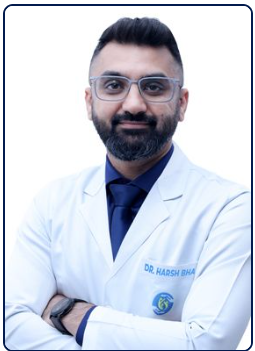
Dr. Harsh Bhardwaj (MBBS, MD, DNB, MRCP-SCE)
Associate Director & Unit Head Neurology
Meet The Doctor