Air pollution is a growing concern, particularly in cities where exposure to particulate matter, vehicle emissions, industrial pollutants and smoke can affect breathing and overall health. Fine particles such as PM2.5 can travel deep into the lungs and are linked to respiratory diseases, reduced lung function, and other serious health problems.
Understanding air pollution and lung health can help you recognise warning signs early and take practical steps to reduce exposure.
How Does Air Pollution Affect the Lungs?
Polluted air contains substances such as particulate matter, ozone, nitrogen dioxide and sulphur dioxide. Smaller particles can reach the deeper parts of the lungs, causing irritation and inflammation. Repeated or prolonged exposure may contribute to reduced lung function and respiratory illness.
Common air pollution respiratory problems include:
- Coughing and throat irritation
- Wheezing
- Shortness of breath
- Chest discomfort
- Worsening of asthma
- Increased risk of respiratory infections
- Reduced lung function
People with asthma, COPD and other chronic respiratory conditions may be particularly sensitive to polluted air.
Lung Problems Due to Air Pollution
Long-term exposure can contribute to several lung problems due to air pollution, including worsening asthma and COPD, respiratory infections and impaired lung function. Fine particulate matter has also been linked with lung cancer.
The risk can depend on the pollutant, concentration, duration of exposure, age and existing health conditions.
Common Symptoms to Watch For
Air pollution-related symptoms may vary from mild irritation to significant breathing difficulties. Watch for:
- Persistent cough
- Wheezing
- Breathlessness
- Chest tightness
- Increased mucus production
- Burning or irritation in the throat
- Reduced exercise tolerance
If breathing difficulty is severe, sudden or accompanied by chest pain, seek urgent medical attention.
Air Pollution and Asthma
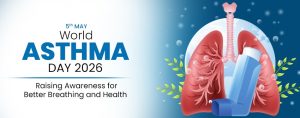
For people with asthma, polluted air can trigger or worsen symptoms. Air pollution and asthma symptoms may include increased coughing, wheezing, chest tightness and difficulty breathing. Air pollution is recognised as one of the triggers that can contribute to asthma attacks.
People with asthma should follow their prescribed treatment plan and monitor local air-quality conditions.
Effects on Children
Children’s lungs are still developing, and they may be more sensitive to the effects of air pollution. Air pollution effects on lungs in children can include worsening asthma symptoms, coughing, wheezing and breathing difficulties. Children with asthma are particularly vulnerable during periods of high pollution.
Parents can reduce exposure by limiting outdoor activities when pollution levels are high and keeping children away from heavily polluted roads and smoke.
Air Pollution and Lung Cancer
The relationship between air pollution and lung cancer is an important concern. Long-term exposure to particulate matter has been associated with lung cancer, and WHO’s International Agency for Research on Cancer has classified outdoor air pollution and particulate matter as carcinogenic to humans.
However, lung cancer has multiple risk factors, with tobacco smoke remaining a major preventable cause.
How to Protect Your Lungs
Knowing how to protect your lungs from air pollution can help reduce exposure.
- Check the AQI
Monitor the Air Quality Index before planning outdoor activities, especially if you have asthma, COPD or another respiratory condition.
- Limit Outdoor Exposure During High Pollution
When pollution levels are high, reduce prolonged outdoor activities and avoid strenuous exercise outdoors.
- Wear a Well-Fitting Mask
A properly fitted particulate-filtering mask can help reduce inhalation of fine particles when outdoor exposure cannot be avoided.
- Keep Indoor Air Cleaner
Keep windows and doors closed during periods of very poor outdoor air quality and consider appropriate air filtration. Avoid indoor sources of pollution such as tobacco smoke.
- Avoid Smoking
Smoking and second-hand smoke can significantly harm lung health and increase the risk of respiratory disease and lung cancer.
- Follow Your Treatment Plan
If you have asthma, COPD or another lung condition, take prescribed medicines as directed and keep your follow-up appointments.
How to Protect Your Lungs During High AQI
Knowing how to protect your lungs during high AQI is particularly important during severe pollution episodes. Check AQI levels, minimise unnecessary outdoor exposure, avoid strenuous outdoor exercise, keep indoor air as clean as possible and follow medical advice if you have an existing respiratory condition.
When Should You See a Lung Specialist?
Consult a doctor if you experience persistent cough, recurring wheezing, unexplained breathlessness, chest tightness or repeated respiratory infections.
People with existing asthma, COPD or other chronic lung conditions may need regular monitoring, particularly when air quality deteriorates.
If you are looking for a lung specialist in Delhi, a pulmonologist can evaluate symptoms and recommend appropriate tests and treatment.
Respiratory Care at Venkateshwar Hospital
Venkateshwar Hospital provides specialised respiratory care for various lung and breathing conditions. Patients seeking the best pulmonologist in Delhi, best lung hospital in Delhi or respiratory treatment in Delhi can consult a qualified pulmonary specialist for evaluation and personalised care.
Conclusion
Air pollution can affect the lungs in both the short and long term. Recognising symptoms, monitoring AQI and reducing exposure can help protect respiratory health. If breathing problems persist or worsen, timely evaluation by a lung specialist is important.
Frequently Asked Questions
Q: Can air pollution damage the lungs?
Yes. Air pollution can irritate the airways, worsen respiratory conditions and contribute to reduced lung function. Long-term exposure to particulate matter is also associated with lung cancer.
Q: What are the common symptoms of air pollution exposure?
Common symptoms include coughing, wheezing, throat irritation, chest tightness and shortness of breath.
Q: Can air pollution worsen asthma?
Yes. Air pollution can trigger or worsen asthma symptoms and attacks in susceptible individuals.
Q: Is air pollution harmful to children?
Yes. Children, particularly those with asthma, can be more vulnerable to respiratory effects from polluted air.
Q: Should I exercise outdoors when AQI is high?
It is generally better to avoid strenuous outdoor exercise when air pollution is high. Consider indoor activity instead.
Q: When should I consult a pulmonologist?
See a pulmonologist if you have a persistent cough, recurrent wheezing, unexplained breathlessness, chest discomfort or worsening symptoms of an existing lung condition.
Q: Can air pollution cause lung cancer?
Long-term exposure to particulate matter and outdoor air pollution increases the risk of lung cancer.
Q: How can I reduce my exposure to air pollution?
Monitor AQI, limit outdoor exposure during high-pollution periods, avoid smoking and second-hand smoke, reduce strenuous outdoor activity and maintain cleaner indoor air.
Written & Verified By:

Dr. Anil Laul (MBBS, MD)
Director Internal Medicine
Meet The Doctor