Our lungs work continuously to supply oxygen to the body and remove carbon dioxide. While we often focus on diet and physical fitness, respiratory health is equally important for overall well-being. Simple breathing techniques can improve lung capacity, strengthen respiratory muscles, and support better oxygen flow. Whether you are healthy or managing a chronic respiratory condition, practising the right breathing exercise daily can make a meaningful difference.
Why Lung Health Matters
Healthy lungs are essential for maintaining energy levels, supporting physical activity, and reducing the risk of respiratory complications. Pollution, smoking, allergies, infections, and unhealthy lifestyle habits can gradually affect lung health, making breathing less efficient. Incorporating healthy habits such as regular physical activity, avoiding tobacco, and practising breathing exercises can help keep your lungs functioning optimally.
Why Breathing Exercises Help
When you have healthy lungs, breathing is natural and easy. You breathe in and out with your diaphragm doing about 80% of the work to fill your lungs with a mixture of oxygen and other gases, and then to release waste gases. A well-planned lung exercise focuses on improving the efficiency of your respiratory muscles and enhancing airflow. These exercises help expand the lungs, improve oxygen exchange, and encourage deeper, more controlled breathing.
Some of the major breathing exercise benefits include:
- Improved oxygen delivery throughout the body
- Better lung expansion and flexibility
- Reduced shortness of breath
- Increased respiratory muscle strength
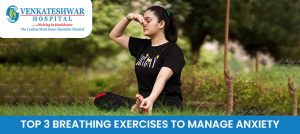
- Enhanced relaxation and stress management
- Improved exercise performance
- Better support for people with chronic respiratory conditions
Common Types of Breathing Techniques
There are different types of breathing techniques designed to meet various health needs.
- Diaphragmatic (Belly) Breathing
This technique strengthens the diaphragm by encouraging deep breaths instead of shallow chest breathing. It is especially useful for improving breathing efficiency.
- Pursed-Lip Breathing
Often recommended for individuals with chronic lung conditions, this method slows breathing and helps keep the airways open longer.
- Box Breathing
This involves inhaling, holding, exhaling, and pausing for equal counts. It promotes relaxation while improving breath control.
- Alternate Nostril Breathing
A yoga-based breathing practice that encourages calmness and better airflow while supporting respiratory wellness.
The Importance of Nose Breathing
Many experts recommend nose breathing because the nose naturally filters dust, allergens, and germs before air reaches the lungs. It also warms and humidifies the air, making breathing more comfortable and efficient than mouth breathing in most situations.
Daily Habits That Support Healthy Lungs
In addition to breathing exercises, maintaining healthy habits can significantly improve respiratory function.
- Practise deep breathing: Inhale deeply through your nose, expand your belly, and inhale slowly to improve lung capacity.
- Stay Hydrated: Drinking enough water helps keep mucus thin and clears the airways.
- Eat antioxidant-rich fruits and vegetables.
- Keep Indoor Air Clean: Use an air purifier, keep windows open, and avoid strong chemical fumes.
- Avoid polluted areas: Wear a mask and stay indoors during high pollution days to protect your lungs.
- Quit smoking and avoid second-hand smoke: Smoking damages lungs, and second-hand smoke increases lung disease risk.
When Are Lung Function Tests Needed?
Doctors may recommend breathing tests for the lungs if you experience persistent cough, breathlessness, wheezing, or reduced exercise tolerance. Pulmonary function tests help measure how well your lungs work and assist in diagnosing respiratory conditions.
Nutrition for Stronger Lung
A balanced diet plays a key role in maintaining healthy lungs and improving lung function. Antioxidant-rich foods like berries, spinach, and carrots protect lung cells from damage. Vitamin C from citrus fruits boosts immunity and helps fight lung infections. Omega-3 fatty acid fish and flaxseeds reduce inflammation and support lung health.
Garlic and ginger have anti-inflammatory properties that clear mucus and improve breathing. Drinking enough water keeps the airway moist and prevents irritation. Avoiding processed foods, excess salt, and sugary drinks helps reduce lung inflammation. Eating the right foods strengthens lungs and lowers the risk of lung problems.
Conditions That Affect Lung Health
Several lung illnesses can interfere with normal breathing. These include chronic obstructive pulmonary disease (COPD), pneumonia, pulmonary fibrosis, bronchitis, and respiratory infections. Early diagnosis and appropriate treatment improve outcomes and quality of life.
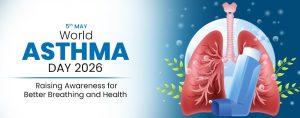
People living with asthma often benefit from breathing exercises alongside prescribed medications, as these techniques can improve breathing control and reduce symptom severity.
The Impact of Smoking and Vaping
Smoking remains one of the leading causes of preventable lung disease. However, concerns about vaping lungs have also increased in recent years. Although vaping is sometimes perceived as a safer alternative, research suggests it may still damage lung tissue, increase inflammation, and contribute to respiratory problems. Avoiding both smoking and vaping is one of the best ways to protect your lungs.
Recognising Serious Warning Signs
Persistent cough, coughing up blood, unexplained weight loss, chest pain, and prolonged shortness of breath may be signs of lung cancer and should never be ignored. Early evaluation allows timely diagnosis and improves treatment outcomes.
Depending on the stage and type of cancer, lung cancer therapy may include surgery, chemotherapy, radiation therapy, targeted therapy, immunotherapy, or a combination of treatments.
When Should You See a Specialist?
Consult a respiratory expert if you experience:
- Breathlessness during routine activities
- Persistent cough lasting more than three weeks
- Wheezing
- Frequent chest infections
- Chronic mucus production
- Chest discomfort while breathing
- Reduced exercise capacity
Early consultation can help prevent disease progression and improve long-term respiratory health.
Expert Respiratory Care at Venkateshwar Hospital
At Venkateshwar Hospital, patients receive comprehensive respiratory care supported by experienced specialists, advanced diagnostic facilities, and personalised treatment plans. Whether you need preventive screening, management of chronic respiratory diseases, or specialised pulmonary care, the hospital provides comprehensive services under one roof.
If you are searching for the best lung hospital in Delhi, an experienced lung specialist in Delhi, or the best lungs doctor in Delhi, seeking timely medical evaluation can help protect your respiratory health and improve your quality of life.
To begin your journey toward healthier breathing, you can find a doctor and book an appointment for expert consultation and personalised care.
Conclusion
Healthy lungs are essential for overall well-being, and regular breathing exercises can help improve respiratory function and support better breathing. Combined with a healthy lifestyle and timely medical care, these simple practices can contribute to long-term lung health. If you experience ongoing breathing problems, consult a healthcare professional for proper evaluation and treatment.
Frequently Asked Questions (FAQs)
How often should I practice breathing exercises?
Most people benefit from practising breathing exercises for 5–15 minutes daily. Your doctor or physiotherapist may recommend a different schedule depending on your health condition.
Can breathing exercises increase lung capacity?
Regular breathing exercises help improve breathing efficiency, strengthen respiratory muscles, and enhance lung expansion, although they may not permanently increase the anatomical size of the lungs.
Are breathing exercises safe for older adults?
Yes. Most breathing exercises are gentle and safe for older adults. However, individuals with severe respiratory or heart conditions should consult a healthcare professional before starting.
Can breathing exercises help people with asthma?
Yes. They can complement prescribed asthma treatment by improving breath control and reducing anxiety related to breathing, but they should not replace medications.
What foods support healthy lungs?
A balanced diet rich in fruits, vegetables, whole grains, nuts, and foods containing vitamins C and E, along with adequate hydration, supports respiratory health.
Can vaping damage the lungs?
Yes. Research indicates that vaping may irritate and inflame the lungs and has been linked to various respiratory problems. Avoiding vaping is recommended for better lung health.
When should I get my lungs checked?
Seek medical evaluation if you have a persistent cough, unexplained breathlessness, wheezing, chest pain, frequent respiratory infections, or other ongoing breathing difficulties.
Can breathing exercises reduce stress?
Yes. Controlled breathing activates the body’s relaxation response, helping lower stress, reduce anxiety, and improve overall well-being.
Written & Verified By:

Dr. Tarun Bhatnagar
MBBS, DNB
Associate Director
Pulmonology & Sleep Medicine
Meet The Doctor