Lung cancer is vital for those at high risk, particularly smokers and those with a family history of the disease. The biggest challenge is that it often develops silently, with symptoms appearing only in the later stages. Early detection through timely screening can significantly improve treatment outcomes and survival rates. If you are at a higher risk of developing lung cancer, understanding when and why to get screened can help protect your health.
In this blog, we’ll discuss who should undergo lung cancer screening, its benefits, the screening process, and when to consult a specialist.
What Is Lung Cancer Screening?
Lung cancer screening is a preventive test used to detect lung cancer before symptoms develop. It is primarily recommended for individuals who have a higher risk of developing the disease due to age, smoking history, or other risk factors.
The most recommended screening method is a low-dose computed tomography (LDCT) scan, which uses a small amount of radiation to create detailed images of the lungs. This scan can detect tiny lung abnormalities that may not be visible on a standard chest X-ray.
Why Is Early Screening Important?
Many people with lung cancer do not experience noticeable symptoms until the disease has advanced. Lung cancer screening plays a critical role in early detection, which greatly increases the likelihood of successful treatment. However, screening isn’t for everyone.
Benefits of early screening include:
- Early diagnosis before symptoms appear
- Higher chances of successful treatment
- Reduced risk of advanced-stage disease
- Better long-term survival rates
- Improved quality of life
Screening does not prevent lung cancer, but it greatly increases the likelihood of detecting it when it is most treatable.
Who Should Get Screened for Lung Cancer?
Lung cancer remains one of the leading causes of cancer-related death worldwide. Screening is generally recommended for individuals who meet the following criteria:
- Adults Between 50-80 Years
People within this age group who have a significant smoking history are considered at higher risk.
- Smokers
Individuals who currently smoke cigarettes have an increased risk of developing lung cancer and should discuss screening with their healthcare provider.
- Individuals with Additional Risk Factors
Some people may require screening even if they are not smokers, especially if they have:
- Family history of lung cancer
- Exposure to second-hand smoke
- Occupational exposure to asbestos, silica, or radon
- Chronic lung diseases such as COPD
- Previous radiation therapy to the chest
Your doctor will evaluate your overall risk before recommending screening.
Who May Not Need Screening?
Routine lung cancer screening is generally not recommended for:
- People without significant risk factors
- Individuals younger than the recommended screening age
- Those with serious health conditions that would prevent treatment if cancer were found
- People who quit smoking more than 15 years ago, unless advised otherwise by their physician
Understanding Lung Cancer Causes and Symptoms
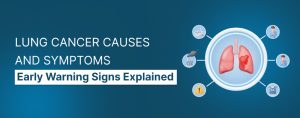
Knowing the Lung Cancer Causes and Symptoms can help individuals seek timely medical care.
Common Causes
Several factors increase the risk of lung cancer, including:
- Smoking tobacco
- Passive smoking
- Radon gas exposure
- Air pollution
- Occupational exposure to harmful chemicals
- Family history
- Chronic lung diseases
Common Symptoms
Although early-stage lung cancer may not cause symptoms, warning signs include:
- Persistent cough
- Coughing up blood
- Chest pain
- Shortness of breath
- Hoarseness
- Frequent chest infections
- Unexplained weight loss
- Fatigue
- Wheezing
If any of these symptoms persist, consult a healthcare professional promptly.
What Happens During a Lung Cancer Test?
A lung cancer test using low-dose CT is simple, painless, and usually completed within a few minutes.
During the procedure:
- You lie on a scanning table.
- The CT scanner takes detailed images of your lungs.
- No injections or special preparation are usually required.
- The scan is reviewed by experienced radiologists.
If any abnormality is detected, your doctor may recommend further investigations such as repeat imaging, PET scans, or a biopsy.
Benefits of Lung Cancer Screening
Regular screening for eligible individuals offers several advantages:
- Detects cancer before symptoms appear
- Helps identify small tumours
- Enables earlier treatment
- Improves survival rates
- May reduce the need for extensive surgery
- Offers reassurance for high-risk individuals
How to Reduce Your Risk of Lung Cancer
While screening is important, prevention remains equally essential.
You can lower your risk by:
- Quitting smoking
- Avoiding second-hand smoke
- Testing your home for radon
- Using protective equipment in hazardous workplaces
- Maintaining a healthy lifestyle
- Exercising regularly
- Eating a balanced diet rich in fruits and vegetables
- Attending regular health check-ups
Comprehensive Preventive Care
People at higher risk of chronic diseases often benefit from a Full Body Health Checkup, which helps evaluate overall health and identify medical conditions at an early stage. Regular preventive assessments, combined with appropriate cancer screening, support better long-term health outcomes.
Expert Lung Care at Venkateshwar Hospital
At Venkateshwar Hospital, our experienced pulmonologists, oncologists, radiologists, and thoracic surgeons work together to provide comprehensive lung cancer screening, diagnosis, and treatment. Using advanced imaging technology and evidence-based care, we focus on early detection and personalised treatment plans for every patient.
If you have concerns about your lung health or fall into a high-risk category, you can find a doctor to discuss whether lung cancer screening is right for you.
Conclusion
Lung cancer screening is an effective tool for detecting cancer before symptoms develop, especially in people at high risk due to smoking or other factors. Early diagnosis leads to more treatment options and significantly improves survival outcomes. If you meet the recommended screening criteria or have concerns about your lung health, speak with your healthcare provider about whether screening is appropriate for you. Timely action can make a life-saving difference.
Frequently Asked Questions (FAQs)
What is the best screening test for lung cancer?
Low-dose CT (LDCT) scan is the recommended screening test for individuals at high risk of developing lung cancer.
Does everyone need lung cancer screening?
No. Screening is primarily recommended for people with significant smoking histories or other high-risk factors.
Is lung cancer screening painful?
No. The scan is quick, non-invasive, and painless.
How often should high-risk individuals get screened?
Most eligible individuals are advised to undergo screening once a year, depending on their doctor’s recommendation.
Can non-smokers develop lung cancer?
Yes. Although smoking is the leading risk factor, non-smokers can also develop lung cancer due to genetic factors, environmental exposures, or occupational hazards.
Can lung cancer be cured if detected early?
Yes. Early-stage lung cancer has a much better prognosis, and many patients can be successfully treated with surgery, radiation therapy, targeted therapy, or other treatments.
What should I do if my screening result is abnormal?
An abnormal result does not always mean cancer. Your doctor may recommend additional imaging or further tests to determine the cause.
How can I lower my risk of lung cancer?
Avoid smoking, minimise exposure to harmful pollutants, maintain a healthy lifestyle, and undergo regular medical check-ups if you are at increased risk.
Written & Verified By:

Dr. Shipra Gupta
MBBS, MD (MC Pant Gold Medalist), DNB, DrNB (Medical Oncology), ECMO Certified
Consultant
Medical Oncology
Meet The Doctor