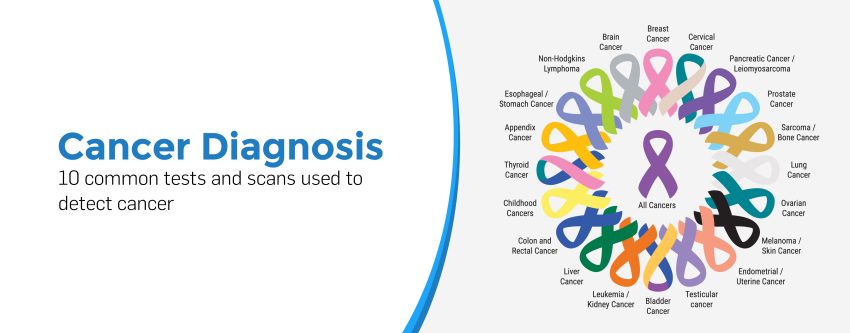
Cancer can develop in almost any part of the body, and its symptoms can sometimes resemble those of other conditions. When cancer is suspected because...
Author: Venkateshwar Hospital

Viral vs Bacterial Fever: Symptoms, Causes, Tests and Treatment
Fever is one of the most common signs of an infection. It occurs when the body raises its temperature as part of its immune response....
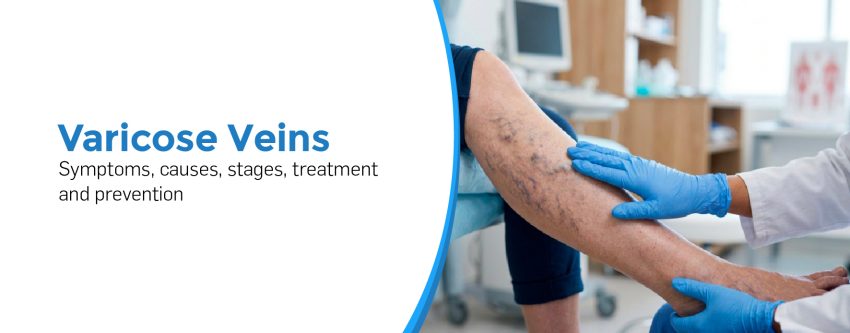
Varicose Veins: Symptoms, Causes, Stages, Treatment and Prevention
Varicose veins are enlarged, twisted veins that commonly develop in the legs. They occur when the valves inside the veins do not work properly, causing...

Knee Pain in Young Adults: Common Causes and When to See an Orthopaedic Specialist
Knee pain is often associated with ageing, but it can affect young adults too. Active lifestyles, sports, sudden injuries, prolonged sitting, muscle imbalance and repetitive...
Adrenal Insufficiency: Types, Causes, Symptoms, Diagnosis, and Treatment
The human body relies on hormones to regulate essential functions such as blood pressure, metabolism, energy levels, and the body’s response to stress. The adrenal...
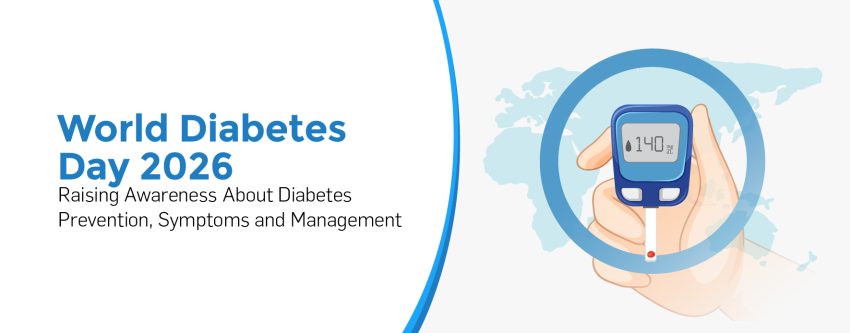
World Diabetes Day 2026: Raising Awareness About Diabetes Prevention, Symptoms and Management
Diabetes is a chronic health condition that affects how the body regulates blood glucose, commonly known as blood sugar. With changing lifestyles, reduced physical activity,...
October 31, 2026
Kidney Transplant Surgery: Procedure, Donor Types, Risks, Recovery and Life After Transplant
A kidney transplant can be an important treatment option for people with advanced or end-stage kidney failure. It involves placing a healthy kidney from a...
October 23, 2026
Radiation Therapy and Hair Loss: Why It Happens and How to Manage It
Radiation therapy is an important cancer treatment that uses high doses of radiation to destroy cancer cells or slow their growth. Because radiation can also...
October 22, 2026
World AIDS Day 2026: Raising Awareness, Preventing HIV and Promoting Early Treatment
Every year, December 1 is observed as a reminder of the importance of understanding HIV, preventing its transmission, and ensuring access to timely medical care....
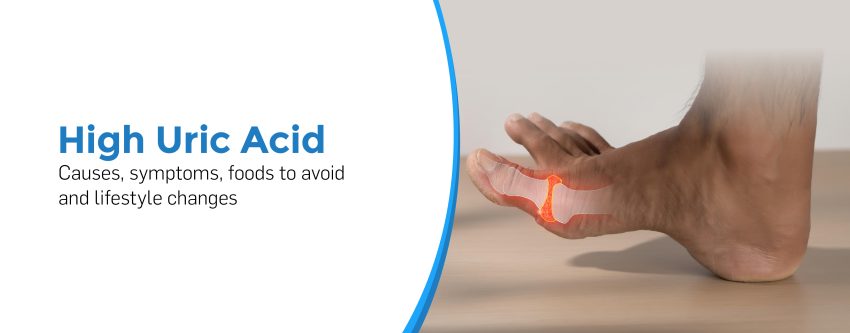
High Uric Acid: Causes, Symptoms, Foods to Avoid and Lifestyle Changes
Uric acid is a waste product formed when the body breaks down substances called purines. Normally, the kidneys filter uric acid from the blood and...
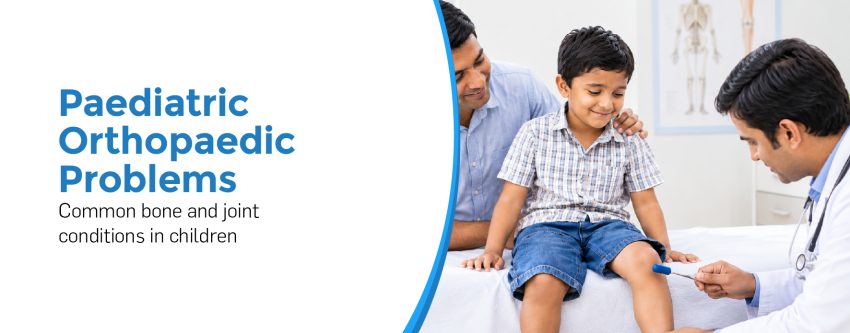
Paediatric Orthopaedic Problems: Common Bone and Joint Conditions in Children
Children are constantly growing, developing new movement skills and participating in physical activities. During these years, problems affecting the bones, joints, muscles and spine can...
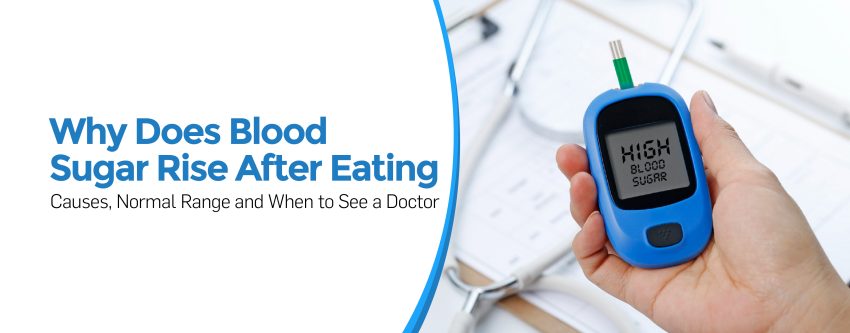
Why Does Blood Sugar Rise After Eating: Causes, Normal Range and When to See a Doctor
It is normal for blood glucose to increase after eating because the body breaks down carbohydrates from food into glucose, which enters the bloodstream. Insulin...
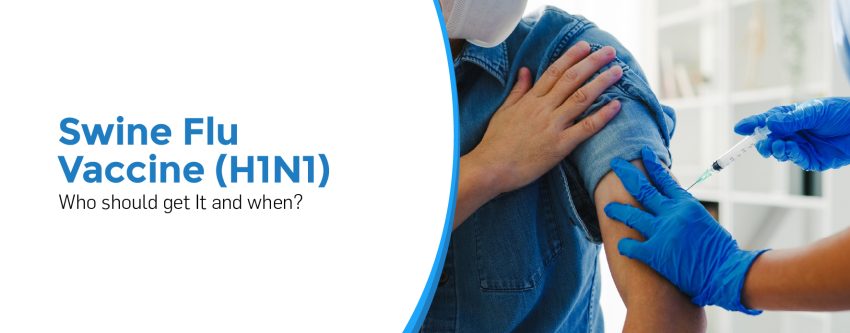
Swine Flu Vaccine (H1N1): Who Should Get It and When?
Influenza, commonly called flu, is a contagious respiratory infection caused by influenza viruses. H1N1 is one of the influenza A virus subtypes that can cause...
October 10, 2026
What Is Bronchoscopy: Why Doctors Recommend It and What to Expect
Breathing problems, persistent cough, unexplained lung infections, or abnormal findings on a chest scan may require further evaluation. In such situations, doctors may recommend bronchoscopy...