Our lungs work continuously to provide the oxygen our body needs, yet people often overlook lung health until breathing problems appear. Respiratory conditions can affect people of all ages and may be influenced by smoking, air pollution, infections, allergies, occupational exposures and other factors.
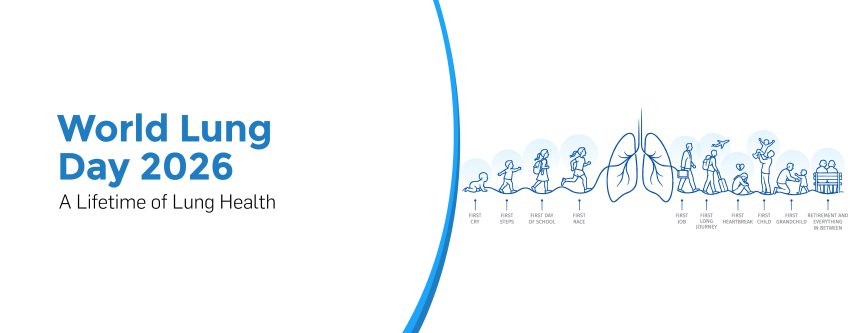
Observed annually on 25 September, World Lung Day 2026 aims to encourage people to understand the importance of respiratory health and take meaningful steps towards protecting their lungs. The 2026 campaign focuses on “A Lifetime of Lung Health,” highlighting the importance of maintaining healthy lungs at every stage of life.
Why Is Lung Health Important?
Healthy lungs are essential for breathing, physical activity, energy and overall well-being. Respiratory problems can gradually impair lung function, sometimes without obvious symptoms in the early stages.
Air pollution, tobacco smoke, respiratory infections and exposure to workplace pollutants can increase the risk of respiratory problems. Recognising symptoms early and seeking appropriate medical advice can help with timely diagnosis and management.
Understanding World Lung Day Awareness
World Lung Day awareness encourages individuals, families, healthcare professionals and communities to take respiratory health seriously. It also highlights the importance of prevention, early diagnosis and access to appropriate treatment.
The campaign is an opportunity to learn about respiratory diseases, reduce avoidable risk factors and encourage healthier choices that can support lung function throughout life.
Common Lung Diseases You Should Know About
There are several respiratory conditions that can affect the lungs. Some of the common lung diseases include:
- Asthma
- Chronic obstructive pulmonary disease (COPD)
- Pneumonia
- Tuberculosis
- Bronchitis
- Bronchiectasis
- Interstitial lung diseases
- Lung cancer
- Pulmonary infections
These conditions can have different causes, symptoms and treatment approaches. A persistent cough, breathlessness or repeated respiratory infections should not be ignored.
What Are the Causes of Lung Disease?
The causes of lung disease can vary depending on the condition. Common risk factors include:
- Smoking and exposure to second-hand smoke
- Air pollution
- Dust, chemicals and occupational pollutants
- Respiratory infections
- Allergens
- Genetic or inherited factors
- Long-term exposure to indoor pollutants
- Certain autoimmune conditions
Reducing exposure to preventable risk factors can play an important role in maintaining respiratory health.
COPD: Recognising the Warning Signs
COPD is a chronic respiratory condition that can cause breathing difficulties and progressive limitation of airflow. Common COPD symptoms may include persistent cough, increased mucus production, breathlessness, wheezing and tiredness.
People with a history of smoking or long-term exposure to respiratory irritants should discuss persistent symptoms with a healthcare professional. Early evaluation may help identify lung function changes and support appropriate management.
Lung Cancer: Know the Warning Signs
Lung cancer may not always cause noticeable symptoms during its early stages. The symptoms and risk factors can vary between individuals. Understanding Lung Cancer Causes and Symptoms can encourage people to recognise warning signs and seek medical advice when necessary.
Possible symptoms may include a persistent or worsening cough, coughing up blood, unexplained weight loss, chest discomfort, breathlessness, recurrent chest infections or persistent fatigue. Smoking is a major risk factor, while exposure to certain environmental and occupational hazards can also contribute to risk.
How to Protect Your Lungs
Knowing how to keep your lungs healthy is an important part of preventive healthcare. Some simple measures include:
- Avoid Smoking
Smoking is one of the most important preventable risks for lung disease. Avoiding tobacco and seeking professional support to quit can significantly benefit respiratory health.
- Reduce Exposure to Air Pollution
Check local air-quality conditions when possible and limit prolonged outdoor exposure during periods of poor air quality. Use appropriate protective measures when exposure to dust or pollutants cannot be avoided.
- Stay Physically Active
Regular physical activity can support cardiovascular and respiratory fitness. Choose activities appropriate for your age, fitness level and medical condition.
- Maintain Good Indoor Air Quality
Keep indoor spaces well ventilated and minimise exposure to smoke, strong chemical fumes, dust and other irritants.
- Prevent Respiratory Infections
Practising good hand hygiene, following recommended vaccinations and avoiding close contact with people who have contagious respiratory infections can help reduce the risk of illness.
- Do Not Ignore Persistent Symptoms
A cough that does not improve, unexplained breathlessness, wheezing, chest pain or repeated respiratory infections should be medically evaluated.
Lung Health Tips for Everyday Life
Following practical lung health tips can help make respiratory wellness part of your daily routine:
- Stay physically active.
- Drink adequate fluids unless medically restricted.
- Avoid tobacco smoke.
- Maintain a healthy weight.
- Practise good hygiene.
- Follow prescribed treatment for existing respiratory conditions.
- Reduce exposure to dust and chemical fumes.
- Get medical advice for persistent respiratory symptoms.
- Consider appropriate health screenings based on your age and risk factors.
The Role of Early Detection
Some respiratory conditions can progress gradually. Early assessment can help doctors understand the cause of symptoms and determine whether investigations such as pulmonary function tests, chest imaging or other diagnostic procedures are appropriate.
People with ongoing symptoms or significant risk factors should consult a respiratory specialist rather than relying on self-medication.
When Should You Consult a Pulmonologist?
You should consider consulting a pulmonologist if you experience persistent cough, recurring chest infections, unexplained breathlessness, wheezing, chest discomfort, coughing up blood or a noticeable decline in exercise tolerance.
People with known respiratory conditions may also require regular follow-up to monitor their condition and adjust treatment when needed.
For individuals seeking specialised respiratory care, choosing an experienced the best pulmonologist in Delhi can help ensure appropriate evaluation, diagnosis and management based on individual needs.
Choosing the Right Lung Care Facility
Comprehensive respiratory care may involve pulmonologists, radiologists, critical care specialists, oncologists, respiratory therapists and other healthcare professionals, depending on the condition.
When selecting a healthcare facility, consider the availability of specialised doctors, diagnostic services, emergency care, advanced treatment options and multidisciplinary support.
Patients looking for the best lung hospital in Delhi should consider a centre that provides coordinated care across diagnosis, treatment, rehabilitation and follow-up.
Venkateshwar Hospital provides multidisciplinary healthcare services with specialised departments and advanced diagnostic and treatment facilities. Patients can discuss their respiratory concerns with qualified specialists and undergo appropriate evaluation based on their symptoms and risk factors.
Those searching for the best hospital for lung treatment in Delhi should focus on clinical expertise, diagnostic capabilities, treatment facilities and continuity of care rather than relying on a single factor.
Can Health Checkups Help Protect Lung Health?
Routine healthcare visits can help identify risk factors and health concerns before they become more serious. Depending on age, medical history, symptoms and risk factors, a doctor may recommend specific investigations or screenings.
Appropriate health checkup packages can also help individuals monitor their overall health, although lung-specific tests should be recommended according to individual medical needs.
Make Lung Health a Lifelong Priority
Healthy lungs support almost every aspect of daily life—from walking and exercising to working and sleeping comfortably. Protecting respiratory health should therefore begin early and continue throughout life.
This World Lung Day, take a step towards better respiratory health by avoiding tobacco, reducing exposure to pollutants, staying active, recognising warning signs and seeking timely medical advice.
A healthier lifestyle, preventive care and early medical attention can make a meaningful difference to lung health at every stage of life.
Frequently Asked Questions
1. When is World Lung Day 2026?
World Lung Day is observed every year on 25 September. In 2026, it falls on 25 September.
2. What is the World Lung Day 2026 theme?
The World Lung Day 2026 theme is “A Lifetime of Lung Health,” focusing on protecting and promoting lung health throughout life.
3. Why is World Lung Day important?
It promotes awareness about respiratory health, encourages prevention and highlights the importance of early detection and appropriate treatment of lung diseases.
4. What are the early signs of lung disease?
Persistent cough, breathlessness, wheezing, chest discomfort, unusual fatigue and recurrent respiratory infections can be warning signs. Persistent or worsening symptoms should be evaluated by a doctor.
5. Can lung disease be prevented?
Some lung diseases can be prevented or their risk reduced by avoiding smoking, reducing exposure to pollutants, maintaining a healthy lifestyle, preventing infections and seeking timely medical care.
6. When should I see a pulmonologist?
Consult a pulmonologist for persistent cough, unexplained breathlessness, recurring respiratory infections, wheezing, coughing up blood or other ongoing breathing problems.
7. Can air pollution affect lung health?
Yes. Prolonged exposure to polluted air can irritate the respiratory system and may worsen existing respiratory conditions. Reducing exposure when air quality is poor can help protect lung health.
8. Is lung cancer always caused by smoking?
No. Smoking is a major risk factor, but lung cancer can also occur in people who have never smoked. Other factors may include second-hand smoke, air pollution, occupational exposures, radiation and genetic factors.
9. Are breathing exercises good for the lungs?
Certain breathing exercises may help improve breathing control and respiratory muscle function in appropriate individuals. People with lung conditions should seek professional guidance before starting a specific programme.
10. How can I maintain healthy lungs throughout life?
Avoid tobacco smoke, stay physically active, minimise exposure to pollutants, maintain good indoor air quality, prevent infections, follow medical advice and seek evaluation for persistent respiratory symptoms.
Written & Verified By:

Dr. Pratibha Gogia (MBBS, DNB)
Director & HOD Pulmonology & Sleep Medicine
Meet The Doctor