The human brain is one of the most remarkable organs in the body. It controls our thoughts, emotions, memory, movement, learning, and every vital function that keeps us alive. Despite its importance, brain care is often overlooked until symptoms of a neurological condition appear. World Brain Day 2026 serves as a global reminder to prioritise neurological wellness, encourage early diagnosis, and promote healthier lifestyles that support lifelong cognitive function.
World Brain Day is observed every year on July 22. World Brain Day is an international awareness campaign led by the World Federation of Neurology. The initiative highlights the importance of preventing neurological disorders, improving access to treatment, and educating people about maintaining optimal brain function at every stage of life.
Whether you’re a student, a working professional, or a senior citizen, taking proactive steps today can help protect your brain in the years to come.
Why Brain Health Matters
Your brain is the command centre of your body. It manages thinking, speech, emotions, coordination, sleep, and countless other essential functions. Good brain health enables people to remain productive, independent, and mentally active throughout life.
Several factors influence brain function, including:
- Healthy nutrition
- Regular physical exercise
- Quality sleep
- Stress management
- Mental stimulation
- Social interaction
- Control of blood pressure, diabetes, and cholesterol
Making healthy lifestyle choices can significantly reduce the risk of neurological disorders and cognitive decline.
The Connection Between Brain and Mental Well-Being
The brain and mental health are closely linked. Conditions such as anxiety, depression, chronic stress, and sleep disorders can affect memory, concentration, and emotional balance. Similarly, neurological diseases may impact mood and behaviour.
Maintaining emotional wellness through mindfulness, social support, counselling when required, and healthy daily habits contributes significantly to overall neurological wellness.
Common Neurological Disorders
Several neurological conditions affect millions of people worldwide, including:
- Stroke
- Epilepsy
- Parkinson’s disease
- Brain Tumour
- Vascular abnormality
- Alzheimer’s disease
- Migraine
- Multiple sclerosis
- Dementia
- Brain infections
- Traumatic brain injury
Early recognition and timely medical care improve treatment outcomes in many of these conditions.
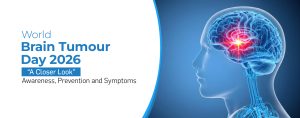
Understanding Brain Tumours
A brain tumour develops when abnormal cells grow inside the brain or surrounding tissues. Tumours may be benign (non-cancerous) or malignant.
Some people confuse tumours with brain cancer, but not every brain tumour is cancerous. However, both require proper medical evaluation and timely treatment.
Symptoms You Should Never Ignore
Many neurological conditions present with subtle symptoms initially. Recognising symptoms of a brain tumour early allows doctors to begin treatment sooner.
Common warning signs include:
- Persistent headaches
- Frequent vomiting without a clear reason
- Vision disturbances
- Difficulty speaking
- Balance problems
- Memory loss
- Personality changes
- Seizures
- Weakness or numbness in the arms or legs
Recognising the Signs of Brain Tumours
Apart from general symptoms, certain signs of a brain tumour depend on the tumour’s location within the brain.
These may include:
- Difficulty understanding language
- Hearing problems
- Changes in coordination
- Difficulty swallowing
- Facial weakness
- Confusion
- Reduced concentration
- Changes in handwriting
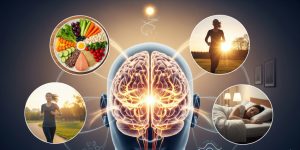
Lifestyle Habits That Support Brain Function
Healthy daily routines can protect neurological function throughout life.
Stay Physically Active: Regular exercise improves blood circulation to the brain and supports memory, attention, and mood.
Eat Nutritious Meals: A balanced diet rich in fruits, vegetables, whole grains, nuts, seeds, fish, and healthy fats nourishes brain cells.
Prioritise Sleep: Adults should aim for 7–9 hours of quality sleep every night to allow the brain to repair and consolidate memories.
Keep Learning: Reading, puzzles, learning new skills, and engaging in creative hobbies stimulate neural connections.
Manage Stress: Meditation, yoga, deep breathing, and spending time with loved ones reduce stress hormones that affect brain function.
Avoid Smoking and Excess Alcohol: These habits increase the risk of stroke, cognitive decline, and neurological disorders.
Best Foods That Support Brain Function
Nutrition plays a major role in cognitive performance. Some of the foods for brain health include:
- Fatty fish rich in omega-3 fatty acids
- Blueberries
- Walnuts
- Almonds
- Spinach
- Broccoli
- Pumpkin seeds
- Eggs
- Whole grains
- Dark chocolate (in moderation)
These are considered among the best foods for brain health because they provide antioxidants, healthy fats, vitamins, and minerals that support cognitive performance.
The Importance of Regular Medical Screening
Routine health checkup appointments help identify conditions like hypertension, diabetes, obesity, and high cholesterol—all of which can increase the risk of stroke and neurological complications.
Individuals experiencing persistent headaches, dizziness, memory problems, or neurological symptoms should seek prompt medical evaluation rather than waiting for symptoms to worsen.
Advanced Neurological Care
Patients requiring specialised neurological treatment should consult experts at a dedicated brain hospital, where multidisciplinary teams provide diagnosis, advanced imaging, neurosurgery, rehabilitation, and long-term care for various neurological disorders.
Brain Health Tips for Everyday Life
Simple brain health tips can make a significant difference over time:
- Stay physically active.
- Sleep well every night.
- Drink enough water.
- Eat a balanced diet.
- Challenge your mind with puzzles and reading.
- Control blood pressure and blood sugar.
- Reduce stress through meditation.
- Maintain social connections.
- Avoid tobacco products.
- Seek medical advice if neurological symptoms develop.
Why Choose Venkateshwar Hospital?
Venkateshwar Hospital offers comprehensive neurological care with experienced neurologists, neurosurgeons, advanced diagnostic technology, emergency stroke management, neurocritical care, rehabilitation services, and patient-centred treatment for a wide range of neurological conditions.
Conclusion
World Brain Day reminds us that protecting the brain should be a lifelong priority. Healthy habits, timely medical evaluations, and greater awareness can significantly reduce the burden of neurological diseases. By making informed lifestyle choices today, we can preserve cognitive function, improve quality of life, and support healthier communities for generations to come.
Frequently Asked Questions (FAQs)
What is World Brain Day?
World Brain Day is observed annually on July 22 to raise awareness about neurological disorders, prevention, treatment, and the importance of maintaining brain health.
Why is brain health important?
A healthy brain supports memory, thinking, emotions, movement, learning, and overall physical well-being.
What are common symptoms of a brain tumour?
Common symptoms include persistent headaches, seizures, vision problems, memory changes, balance difficulties, vomiting, and weakness in the limbs.
Is every brain tumour cancerous?
No. Brain tumours may be benign (non-cancerous) or malignant (cancerous). Both require proper medical evaluation.
Which foods are good for brain health?
Fatty fish, leafy greens, berries, walnuts, almonds, eggs, seeds, and whole grains are beneficial for brain function.
Can lifestyle changes reduce the risk of neurological diseases?
Yes. Regular exercise, healthy eating, quality sleep, stress management, and avoiding tobacco can help reduce risk.
When should I consult a neurologist?
Seek medical attention if you experience persistent headaches, seizures, memory loss, numbness, speech difficulties, balance problems, or sudden neurological symptoms.
Can stress affect brain function?
Yes. Chronic stress can impair memory, concentration, mood, and overall cognitive performance.
How often should I undergo a health checkup for neurological wellness?
Adults should have routine preventive checkups as advised by their physician, especially if they have risk factors such as hypertension, diabetes, or a family history of neurological disease.
How can I keep my brain healthy as I age?
Stay physically active, eat a balanced diet, sleep adequately, keep learning new skills, remain socially engaged, and seek prompt medical care for any concerning neurological symptoms.