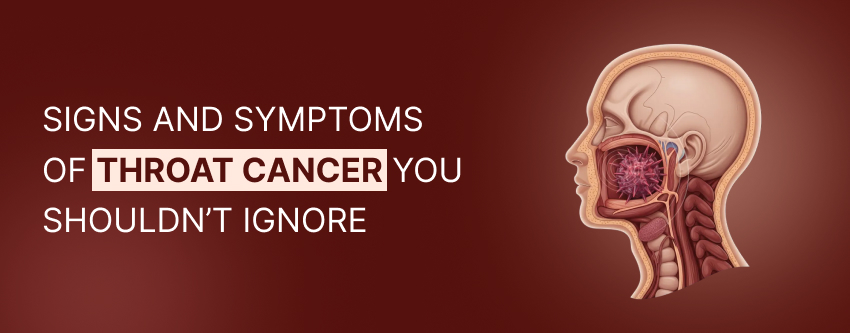
Renal Cell Carcinoma (RCC) is the most common form of kidney cancer, originating in the lining of the small tubes (renal tubules) within the kidney that filter waste from the blood. The tumour can remain confined to the kidney or may spread to other parts of the body if left untreated. While the exact cause is linked to DNA changes in kidney cells, certain risk factors, such as older age, smoking, obesity, and high blood pressure, increase the likelihood of developing RCC. Common signs may include blood in the urine (haematuria), persistent back or flank pain, and unexplained weight loss.
Understanding who is more susceptible can aid in early detection and preventive care. Certain groups are more likely to develop kidney cancer due to genetic, medical, or lifestyle factors.
Awareness of these risks helps individuals and clinicians prioritise monitoring and screening.
Kidney cancer arises from different cells within the kidney, each requiring tailored management strategies. Recognising the type is essential for determining prognosis and treatment.
The most common forms include:
Early recognition symptoms of kidney cancer can improve outcomes and allow timely intervention. Symptoms may be subtle or absent in the early stages and sometimes are detected incidentally on imaging performed for other reasons.
Common presentations include:
When to See a Doctor: If you notice any of these symptoms, consult a specialist promptly for evaluation.
Kidney cancer develops due to genetic mutations and environmental or lifestyle factors. Understanding these contributors helps reduce risk and facilitate early detection.
Primary factors include:
Accurate diagnosis is crucial to plan effective treatment. Kidney cancer may be detected incidentally or after presenting symptoms. A structured diagnostic pathway ensures clarity on tumour type, stage, and overall patient health.
Treatment depends on the type of cancer, its stage, and the patient's overall health. A multidisciplinary team designs an individualised plan to maximise effectiveness while minimising side effects.
Throughout treatment, supportive care, including nutritional guidance, pain management, and counselling, ensures quality of life.
Advanced or untreated kidney cancer can have serious health implications.
While not all cases are preventable, specific lifestyle changes can reduce the risk.
Selecting an experienced hospital ensures access to advanced care and better patient outcomes.
Venkateshwar Hospitals offers:
The prognosis for kidney cancer depends on tumour type, stage, grade, and overall health of the patient. Early-stage RCC that is detected and treated promptly generally has a favourable outcome, whereas advanced or aggressive subtypes may require prolonged therapy and careful monitoring. Post-treatment, regular follow-ups are essential to detect recurrence early, manage complications, and maintain kidney function. Recovery focuses not only on survival but also on enhancing quality of life, supporting physical rehabilitation, maintaining nutritional health, and promoting emotional well-being. With multidisciplinary care, many patients return to normal daily activities and experience long-term health stability.
We're here to help!
Feel free to get in touch with us
for any service or support.
Many cases of Renal Cell Carcinoma (RCC) are asymptomatic and discovered incidentally during imaging for other conditions. When symptoms do appear, the most common is blood in the urine (haematuria). Other signs may include persistent back or flank pain and unexplained weight loss.
Diagnosis typically involves imaging tests such as ultrasound, CT scan, or MRI to visualise the tumour. A biopsy may be performed in atypical or advanced cases to confirm cancer type. Blood and urine tests help assess kidney function and overall health.
Kidney cancer is managed by a urologist or an oncologist specialising in renal cancers. Complex cases may involve a multidisciplinary team including radiologists and nephrologists.
Treatment outcomes depend on the stage, grade, and subtype at the time of diagnosis. Early detection usually results in significantly better prognosis and treatment success.
Surgery remains the most effective treatment for localised kidney cancer. Other approaches, such as targeted therapy, immunotherapy, or ablation techniques, may be recommended depending on tumour type, stage, and patient health.
Early-stage RCC can often be treated effectively, but recurrence is possible. While curative treatment is achievable for localised disease, a guaranteed “cure” cannot be promised, making regular follow-up essential.