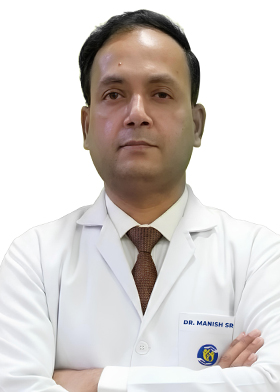
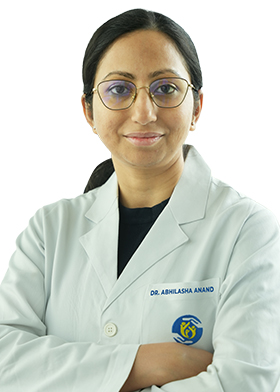
An oncologist is a doctor who specialises in the diagnosis, treatment, and management of cancer. They develop personalised treatment plans using methods such as chemotherapy, radiotherapy, and surgery, and work with other specialists to provide a coordinated and comprehensive approach to patient care in oncology.
Oncologists treat a variety of cancers, including breast, lung, prostate, colorectal, blood cancers such as leukaemia and lymphoma, brain tumours, sarcomas, and gynaecological cancers. They manage both early and advanced stages across different organs, offering treatments like chemotherapy, immunotherapy, hormone therapy, radiotherapy, surgery, and palliative care to control the disease and enhance quality of life.
Oncologists specialise in treating cancer through surgical, medical, and radiation approaches. Surgical oncologists perform biopsies, tumour removal, lymph node dissection, and reconstructive surgery. Medical oncologists provide chemotherapy, immunotherapy, hormone, and targeted therapies, while radiation oncologists use radiotherapy to destroy cancer cells and control disease.
Oncologists use a variety of diagnostic tests, including physical exams, blood tests (CBC, tumour markers), imaging (CT, MRI, PET scans, ultrasounds, bone scans), biopsies, and specialised tests like liquid biopsies and genetic analyses. These help diagnose cancer, determine its stage, guide treatment planning, and monitor therapy response, ensuring personalised care.
It is important to visit an oncologist if you have been diagnosed with cancer, notice concerning symptoms, or have test results suggesting malignancy. They provide expert guidance, develop personalised treatment plans, and monitor progress, ensuring safe, timely, and effective care throughout the cancer journey.
During your first consultation, the oncologist will review your medical history, perform a physical examination, and discuss your symptoms. Diagnostic tests, such as biopsies, imaging scans, or blood work, may be requested. They will then explain the findings and recommend a treatment plan tailored to your individual needs.
After surgery, an oncologist monitors recovery, manages medications, and oversees further treatments such as chemotherapy or radiation. They track side effects, provide follow-up care, and schedule regular assessments. The goal is to support recovery, maintain quality of life, and provide guidance for long-term health.
An oncologist specialises in non-surgical cancer treatments such as chemotherapy, immunotherapy, and targeted therapies. An oncologic surgeon performs tumour removal or biopsies. Both collaborate closely to provide comprehensive care. Patients requiring surgery can consult an oncologist in Delhi to coordinate treatment with surgical teams.
A general physician provides broad medical care and may identify early signs of cancer. An oncologist has specialised training to diagnose, treat, and manage cancer. Consulting an oncologist in Delhi at Venkateshwar Hospitals ensures access to advanced diagnostic tests, personalised treatment plans, targeted therapies, and continuous monitoring for complex cancer conditions.
Doctors refer patients to an oncologist when cancer is diagnosed or strongly suspected, specialised treatment is required, or complications arise. Consulting an oncologist provides expert evaluation, treatment planning, and ongoing care, ensuring optimal outcomes and a personalised approach for each patient’s needs.
Cancer diagnosis involves reviewing a patient's medical history, performing a physical examination, and conducting imaging tests, such as CT or MRI scans. Blood tests may indicate abnormalities, but a definitive diagnosis usually requires a tissue biopsy. An oncologist combines these results to determine the type of cancer, its stage, and the appropriate treatment approach.