The pituitary gland may be small, but it plays a powerful role in regulating essential body functions. Often referred to as the “master gland,” it controls hormones that influence growth, metabolism, fertility, stress response, and overall hormonal balance. When a tumour develops in this gland, it can disrupt these functions and affect both physical and emotional well-being.
Pituitary Tumour Treatment focuses on removing or controlling the tumour while carefully managing hormone imbalances. With timely diagnosis and expert care, most pituitary tumours can be treated effectively, allowing patients to return to a stable and healthy life. However, because symptoms often develop gradually, many people delay seeking medical attention.
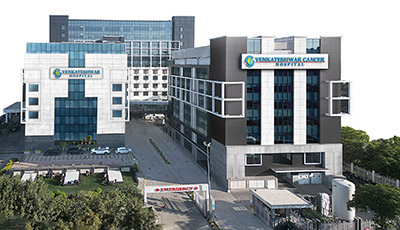
At Venkateshwar Hospitals in Delhi, patients receive advanced, comprehensive pituitary tumour care supported by experienced specialists, modern diagnostics, and minimally invasive treatment options. The hospital is equipped to deliver personalised Pituitary tumour Treatment plans with a strong focus on safety, recovery, and long-term hormone health.
A pituitary tumour is an abnormal growth that develops in the pituitary gland, which is located at the base of the brain behind the nose. Most pituitary tumours are benign (non-cancerous), but even non-cancerous tumours can cause serious health problems if left untreated.
These tumours may interfere with normal hormone production or lead to excess hormone secretion. Larger tumours can also press against nearby structures, particularly the optic nerves, resulting in vision problems. In rare cases, pituitary tumours may behave aggressively, making expert-led Pituitary tumour Treatment essential.
Pituitary Tumours can affect both men and women and are most diagnosed in adults. Certain factors may increase the risk, including:
Many patients develop pituitary tumours without any identifiable risk factors, which is why unexplained symptoms should always be evaluated early.
Understanding the type of pituitary tumour is essential for planning the most appropriate Pituitary tumour Treatment.
These tumours release excess hormones and often cause noticeable symptoms.
These tumours do not produce hormones. Symptoms usually occur when the tumour grows large enough to compress surrounding structures, especially the optic nerves.
Symptoms vary depending on tumour size, type, and hormone involvement.
Because these symptoms can be subtle, early consultation with specialists is key to successful Pituitary Treatment.
In many cases, the exact cause of pituitary tumours remains unknown. However, possible contributing factors include:
Even when the cause is unclear, modern Pituitary Tumour Treatment approaches are highly effective when guided by accurate diagnosis.
Accurate diagnosis is the foundation of effective Pituitary Tumour Treatment. At Venkateshwar Hospitals, patients are evaluated by endocrinologists and neurospecialists working together.
Pituitary Tumour Treatment often involves a combination of surgery, medication, and radiation therapy, depending on tumour size, hormone production, and location. The primary goals are to alleviate symptoms, preserve pituitary gland function, manage hormone imbalances, and prevent recurrence.
Surgery is a cornerstone of Pituitary Tumour Treatment.
Medication plays a major role, especially for hormone-secreting tumours.
Radiation is used when tumours cannot be fully removed or recur after surgery.
When pituitary function is permanently affected, lifelong hormone replacement therapy may be required to maintain normal body functions.
All Pituitary Tumour Treatment decisions at Venkateshwar Hospitals are guided by a multidisciplinary neuro-endocrine team to ensure balanced and personalised care.
Without timely Pituitary Tumour Treatment, complications may include:
Early diagnosis significantly reduces these risks.
There is no proven way to prevent pituitary tumours. However:
Early assessment remains the most effective approach.
Venkateshwar Hospitals is a trusted destination for Pituitary Tumour Treatment in Delhi because of:
We're here to help!
Feel free to get in touch with us
for any service or support.
Early signs may include persistent or worsening headaches, changes in vision (such as blurred or reduced side vision), unexplained fatigue, and symptoms of hormonal imbalance like irregular periods, weight changes, or reduced libido.
Diagnosis typically involves blood tests to assess hormone levels, MRI scans of the brain to locate the tumour, vision testing to check optic nerve involvement, and evaluation by endocrine and neurosurgeons.
Many pituitary tumours can be effectively removed or well controlled with timely and appropriate Pituitary Tumour Treatment, allowing patients to lead a normal, healthy life.
Pituitary tumours are treated by a multidisciplinary team, with endocrinologists managing hormonal issues and neurosurgeons addressing surgical treatment when required.
No. Many hormone-secreting tumours respond well to medication alone, and surgery is recommended only, when necessary, based on tumour size, type, and symptoms.
Most pituitary tumours are benign, meaning they are non-cancerous and do not spread to other parts of the body.
Recovery time varies depending on the surgical approach, but most patients begin to feel better within a few weeks and gradually return to normal activities.
Yes, pituitary tumours can impact vision or fertility, but early diagnosis and timely Pituitary Tumour Treatment can often restore or preserve both.