Stomach cancer, also known as gastric cancer, remains a global health concern. It develops gradually and often goes unnoticed in its early stages, which makes timely diagnosis and awareness vital. While the exact cause may vary, several factors, including lifestyle habits, infections, and genetic predispositions, contribute to its onset. Recognising the early signs and understanding the causes can make a significant difference in prevention and treatment outcomes.
At Venkateshwar Hospitals, our experts emphasise awareness as the first step toward prevention and timely treatment. This article discusses stomach cancer symptoms, stomach cancer causes, and preventive measures that can help reduce risk and support early intervention.
What Is Stomach Cancer?
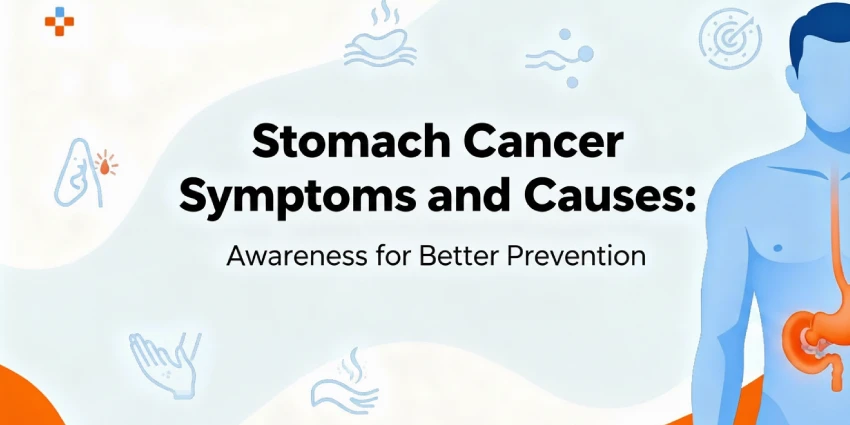
Stomach cancer, also known as gastric cancer, is a type of cancer that begins when the cells lining the stomach grow uncontrollably and form a tumour. It often develops slowly, which can make early detection difficult. Early symptoms may include persistent indigestion, abdominal pain, bloating, nausea, and feeling full after eating only a small amount of food. In advanced stages, stomach cancer can spread to nearby organs and other parts of the body, making timely diagnosis and treatment crucial for better outcomes.
Stomach Cancer Symptoms
Stomach cancer often develops slowly, and early signs can be subtle or easily mistaken for common digestive issues. Being aware of these symptoms helps in seeking timely medical evaluation, which can improve treatment outcomes and support early diagnosis.
Key Symptoms:
- Persistent indigestion or heartburn
- Abdominal pain or discomfort
- Feeling bloated after small meals
- Nausea or vomiting
- Loss of appetite or feeling full quickly
- Unexplained weight loss in advanced stages
- Vomiting with blood or black-coloured stools (advanced stages)
- Fatigue and weakness as cancer progresses
Early Symptoms of Stomach Cancer
Early detection is challenging because initial symptoms may resemble common digestive issues. However, it is essential to recognise these early signs of stomach cancer:
- Helicobacter pylori infection: A chronic bacterial infection that causes stomach inflammation and increases cancer risk.
- Family history: Having close relatives with stomach cancer or specific genetic mutations can raise susceptibility.
- Smoking: Cigarette smoking is a confirmed risk factor.
Advanced Symptoms of Stomach Cancer
When the disease progresses, advanced stomach cancer symptoms may appear, such as:
- Unexplained weight loss
- Vomiting, sometimes with traces of blood
- Difficulty swallowing or feeling full quickly
- Fatigue and persistent weakness
- Black-coloured stools due to internal bleeding
Anyone experiencing these symptoms for an extended period should seek medical evaluation from a qualified doctor for an accurate diagnosis.
Stomach Cancer Causes and Risk Factors
Stomach cancer develops when the cells lining the stomach grow uncontrollably, often due to a combination of genetic, medical, and lifestyle factors. Understanding these causes and risk factors can help identify individuals at higher risk and support early detection and prevention.
1. Common Causes
Understanding gastric cancer causes can help identify potential risks. Some of the most common factors include:
- Helicobacter pylori infection: A chronic bacterial infection that causes stomach inflammation and increases cancer risk.
- Family history: Having close relatives with stomach cancer or specific genetic mutations can raise susceptibility.
- Smoking and alcohol consumption: Tobacco and excessive alcohol can damage the stomach lining over time.
2. Lifestyle & Environmental Risk Factors
Certain lifestyle choices and environments may also increase the risk factors for stomach cancer:
- Diets high in salt, processed meats, and pickled foods (especially in high-risk regions such as East Asia)
- Obesity, which is associated with cardia (upper stomach) cancer
- Long-term gastritis or chronic stomach irritation
3. Medical Conditions Increasing Risk
Some medical conditions can further elevate the risk:
- Presence of adenomatous gastric polyps or polyps associated with familial syndromes.
- Autoimmune (atrophic) gastritis, which can lead to pernicious anaemia and increase cancer risk
- Autoimmune disorders that affect the stomach lining
Recognising these stomach cancer causes and managing them under medical guidance can help reduce the likelihood of disease progression.
How Awareness Helps in Prevention?
Awareness is the foundation of stomach cancer prevention. Recognising the early symptoms and understanding personal risk factors allows individuals to seek timely medical consultation. Maintaining a balanced diet rich in fruits and vegetables, reducing salt and processed food intake, and avoiding smoking and alcohol can lower the risk.
Regular health check-ups at Venkateshwar Hospitals enable early detection of stomach-related conditions. If you experience frequent discomfort or digestive changes, it is best to discuss them with a healthcare provider.
Diagnosis and Treatment of Stomach Cancer
Diagnosis involves a combination of clinical evaluation and imaging tests. Some standard diagnostic tools include:
- Endoscopy: A flexible tube with a camera used to examine the stomach lining.
- Biopsy: A tissue sample collected during endoscopy to confirm cancer cells.
- Imaging tests: CT, MRI, or PET scans help assess the spread of cancer.
Treatment depends on the stage of the cancer and the patient’s overall health. It may involve:
- Surgery: To remove part or all of the affected stomach.
- Chemotherapy and radiation: To shrink tumours or destroy remaining cancer cells.
- Targeted therapy and immunotherapy: Used for specific types of gastric cancers.
Treatment depends on the stage of the cancer and the patient’s overall health. It may involve surgery, chemotherapy, and radiation.
Targeted therapies (e.g., trastuzumab) and immunotherapy are primarily reserved for advanced HER2-positive or PD-L1-positive gastric cancers and are not standard first-line treatment for early-stage disease.
Why Choose Venkateshwar Hospitals?
Venkateshwar Hospitals offers advanced care for gastric and gastrointestinal cancers. The hospital’s oncology and gastroenterology departments work together to deliver precise diagnoses and comprehensive treatment.
- Expertise in oncology: Skilled specialists with experience in managing various stages of stomach cancer.
- Advanced diagnostic technologies: 3T MRI, CT scans, and endoscopic tools ensure accurate assessments.
- Holistic care approach: Patient-centred treatment with nutritional guidance, psychological support, and rehabilitation.
Every patient receives personalised attention focused on comfort, recovery, and long-term well-being.
Prognosis & Recovery
The outlook for stomach cancer depends on the stage at diagnosis, the tumour’s location, and the patient’s overall health. When detected early, surgical removal of the tumour offers the best chance of long-term survival, whereas advanced cases may require a combination of chemotherapy, targeted therapy, or immunotherapy. Early-stage disease carries a considerably better prognosis than cases diagnosed at a later stage. Regular follow-up is crucial for monitoring recurrence and managing any treatment-related side effects. At Venkateshwar Hospitals, our oncology specialists provide ongoing post-treatment care, nutrition guidance, and rehabilitation programmes to support recovery and improve quality of life.
Conclusion
Awareness of stomach cancer symptoms and stomach cancer causes plays a vital role in prevention and timely treatment. Paying attention to digestive changes and seeking expert consultation can help detect potential problems early.
If you notice persistent stomach discomfort or have risk factors, consult the oncology team at Venkateshwar Hospitals for expert guidance and care.
Frequently Asked Questions
1. What are the first symptoms of stomach cancer?
Early symptoms may include indigestion, bloating after meals, and mild stomach pain that persists over time.
2. What causes stomach cancer in most patients?
Common stomach cancer causes include H. pylori infection, smoking, genetic factors, and diets high in salt or processed food.
3. Can stomach cancer be prevented through lifestyle changes?
Yes, adopting a balanced diet, staying physically active, and avoiding tobacco and alcohol may lower risk, though it is best to seek medical advice.
4. Is stomach cancer hereditary?
Specific genetic mutations and family history can increase the likelihood of developing stomach cancer.
5. How is stomach cancer diagnosed?
It is diagnosed using endoscopy, biopsy, and imaging tests such as CT or MRI scans.
6. At what stage is stomach cancer usually detected?
Most cases are detected at an advanced stage, but early detection significantly improves recovery chances.
7. What are the risk factors for stomach cancer?
Key risk factors for stomach cancer include H. pylori infection, chronic gastritis, obesity, and excessive intake of processed or salty foods.
8. Who treats stomach cancer?
Oncologists and gastroenterologists work together to diagnose and treat stomach cancer effectively.
9. Can stomach cancer be cured if detected early?
Yes, early-stage stomach cancer has a high chance of being cured with timely treatment and medical supervision.
10. Which hospital is best for stomach cancer treatment in Delhi/NCR?
Venkateshwar Hospitals is among the leading facilities for comprehensive diagnosis and treatment of stomach cancer in Delhi/NCR, offering expert-led, patient-focused care.
Medically Reviewed by — Dr. Rudra Prasad Acharya ( Director – Surgical Oncology & Robotic Surgery )