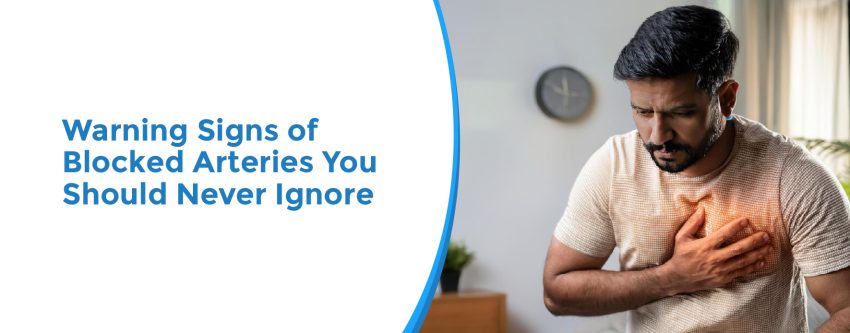
Heart disease remains one of the leading causes of death worldwide, and blocked arteries are among its most common underlying causes. Unfortunately, many people do not realise they have narrowed or blocked arteries until they experience a heart attack or stroke. Recognising the early warning signs can help prevent life-threatening complications through timely diagnosis and treatment.
In this blog, we’ll discuss the signs of blocked arteries, their causes, risk factors, diagnosis, treatment options, and ways to keep your heart healthy.
What Are Blocked Arteries?
Arteries are blood vessels that carry oxygen-rich blood from the heart to different parts of the body. Over time, fatty deposits known as plaque can build up inside these arteries, narrowing them and reducing blood flow. This condition is called atherosclerosis.
If left untreated, blocked arteries can lead to serious health problems such as heart attack, stroke, peripheral artery disease, or heart failure.
What Causes Blocked Arteries?
Several factors contribute to plaque buildup, including:
- High cholesterol
- High blood pressure
- Diabetes
- Smoking
- Obesity
- Physical inactivity
- Unhealthy diet
- Chronic stress
- Family history of cardiovascular disease
- Increasing age
Many of these risk factors can be managed with healthy lifestyle choices and regular medical checkups.
Warning Signs of Blocked Arteries
The symptoms depend on which artery is affected and how severe the blockage has become.
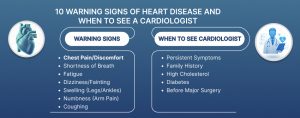
- Chest Pain (Angina)
One of the most common heart blockage symptoms is chest pain or discomfort. It may feel like:
- Pressure
- Tightness
- Burning sensation
- Breathlessness
- Squeezing pain
The discomfort often occurs during physical activity or emotional stress and improves with rest.
- Shortness of Breath: When the heart cannot pump enough oxygen-rich blood, you may experience breathlessness during routine activities or while lying down.
- Pain Radiating to Other Areas
Pain from blocked arteries may spread to:
- Left arm
- Both shoulders
- Neck
- Jaw
- Upper back
Women sometimes experience less typical symptoms, making early diagnosis more challenging.
- Fatigue: Feeling unusually tired despite adequate rest may indicate reduced blood supply to the heart, especially if fatigue worsens with activity.
- Dizziness or Light-headedness: Reduced blood flow may temporarily affect the brain, leading to dizziness or fainting.
- Irregular Heartbeat: Palpitations or an abnormal heartbeat can sometimes occur when the heart muscle is not receiving enough oxygen.
- Cold Sweats: Sudden sweating without obvious physical exertion, especially when accompanied by chest discomfort, should never be ignored.
- Swelling in the Legs: Poor circulation and weakened heart function may cause swelling in the ankles, feet, or legs.
Signs That Require Immediate Medical Attention
Seek emergency medical care immediately if you experience:
- Severe chest pain lasting more than a few minutes
- Pain spreading to the arm, neck, jaw, or back
- Difficulty breathing
- Sudden weakness
- Loss of consciousness
- Cold sweats
- Nausea or vomiting
Prompt treatment can save heart muscle and improve survival.
Blocked Arteries in Different Parts of the Body
Coronary Arteries
Blocked coronary arteries reduce blood supply to the heart and can lead to heart attacks. Early signs of heart disease include chest discomfort, breathlessness, fatigue, and reduced exercise tolerance.
Carotid Arteries
The carotid arteries supply blood to the brain. Carotid artery blockage may increase the risk of stroke and can cause:
- Sudden weakness on one side
- Difficulty speaking
- Vision changes
- Loss of balance
- Facial drooping
These symptoms require immediate emergency care.
Peripheral Arteries
Reduced blood flow to the legs may cause:
- Leg pain while walking
- Cold feet
- Slow-healing wounds
- Numbness
- Weak pulses
- Gangrene
Who Is at Higher Risk?
You may have a greater risk if you:
- Are over 40 years of age
- Smoke
- Have diabetes
- Have high blood pressure
- Have elevated cholesterol
- Are overweight
- Have a family history of heart disease
- Live a sedentary lifestyle
Regular screening helps identify problems before symptoms become severe.
How Are Blocked Arteries Diagnosed?
Doctors may recommend:
- Blood pressure measurement
- Cholesterol testing
- Blood sugar testing
- Electrocardiogram (ECG)
- Echocardiography
- Stress test
- CT Coronary Angiography
- Coronary Angiography
- Carotid Doppler Ultrasound
These investigations help determine the location and severity of arterial blockage.
Treatment Options
Treatment depends on the severity of blockage and the patient’s overall health.
Lifestyle Modifications
Doctors usually recommend:
- Heart-healthy eating
- Regular exercise
- Weight management
- Smoking cessation
- Stress reduction
- Blood pressure control
- Diabetes management
- Alcohol consumption
Medications
Your doctor may prescribe medicines to:
- Lower cholesterol
- Control blood pressure
- Prevent blood clots
- Reduce chest pain
- Manage diabetes
Interventional Procedures
Advanced coronary artery disease treatments may include:
- Coronary angioplasty
- Balloon angioplasty
- Coronary stent placement
- Coronary artery bypass graft (CABG) surgery
The most appropriate treatment depends on the severity and location of the blockage.
Preventing Blocked Arteries
Simple lifestyle habits can significantly reduce your risk:
- Eat plenty of fruits and vegetables
- Limit saturated fats and processed foods
- Exercise at least 150 minutes each week
- Maintain a healthy weight
- Avoid smoking
- Limit alcohol consumption
- Get adequate sleep
- Control diabetes and blood pressure
- Schedule regular health screenings
When Should You See a Doctor?
Consult a healthcare professional if you notice:
- Recurrent chest discomfort
- Breathlessness
- Fatigue during routine activities
- Dizziness
- Leg pain while walking
- Family history of heart disease
- High cholesterol or diabetes
Early diagnosis allows timely heart disease treatment and reduces the risk of serious complications.
Expert Cardiac Care at Venkateshwar Hospital
Choosing the right healthcare provider plays a vital role in managing cardiovascular disease. Recognised as the Best Heart Hospital in Delhi, Venkateshwar Hospital offers comprehensive cardiac care with advanced diagnostic facilities, modern catheterisation laboratories, emergency cardiac services, and experienced specialists.
Whether you need preventive screening, angioplasty, bypass surgery, or long-term heart care, consulting the Best Cardiologist in Delhi can help ensure accurate diagnosis and personalised treatment.
Regular preventive screenings, including full-body health checkup packages, can help detect cardiovascular risk factors early and support long-term heart health.
Conclusion
Blocked arteries often develop silently over many years before causing noticeable symptoms. Paying attention to early warning signs such as chest pain, breathlessness, fatigue, dizziness, or leg pain can lead to early diagnosis and effective treatment.
Maintaining a healthy lifestyle, managing risk factors, and undergoing routine health screenings remain the best strategies for preventing serious cardiovascular diseases. If you experience any symptoms or have multiple risk factors, consult a qualified cardiologist without delay.
Frequently Asked Questions (FAQs)
What are the early signs of blocked arteries?
Early symptoms may include chest discomfort, shortness of breath, unusual fatigue, dizziness, pain radiating to the arm or jaw, and reduced exercise tolerance.
Can blocked arteries develop without symptoms?
Yes. Many people have significant artery blockage without noticeable symptoms until a heart attack or stroke occurs, making regular health checkups important.
Who is at the highest risk for blocked arteries?
People with diabetes, high cholesterol, high blood pressure, obesity, smoking habits, sedentary lifestyles, or a family history of heart disease are at higher risk.
Can blocked arteries be treated without surgery?
Yes. Mild to moderate cases may be managed with lifestyle changes and medications. Severe blockages may require angioplasty or bypass surgery.
What foods help prevent blocked arteries?
A diet rich in fruits, vegetables, whole grains, lean proteins, nuts, and healthy fats while limiting processed foods, sugar, and saturated fats supports heart health.
How are blocked arteries diagnosed?
Doctors may use blood tests, ECG, echocardiography, stress tests, CT coronary angiography, coronary angiography, or carotid Doppler ultrasound depending on the symptoms.
Are blocked arteries reversible?
Lifestyle changes and medications can slow or stabilize plaque buildup and, in some cases, lead to modest regression. Advanced blockages may require interventional procedures.
Can young adults develop blocked arteries?
Yes. Poor diet, smoking, obesity, diabetes, high cholesterol, chronic stress, and a family history can increase the risk of developing blocked arteries at a younger age.
What is the difference between a heart attack and blocked arteries?
Blocked arteries develop gradually due to plaque buildup, while a heart attack occurs when blood flow through a coronary artery becomes suddenly blocked, causing damage to the heart muscle.
When should I seek emergency medical care?
Seek immediate medical attention if you experience severe chest pain, sudden shortness of breath, pain spreading to the arm or jaw, fainting, or signs of a stroke, as these could indicate a life-threatening emergency.
Written & Verified By:
Dr. Rakesh Chugh MBBS, MS, DNB
Director & HOD Cardio Thoracic & Vascular Surgery
Meet The Doctor