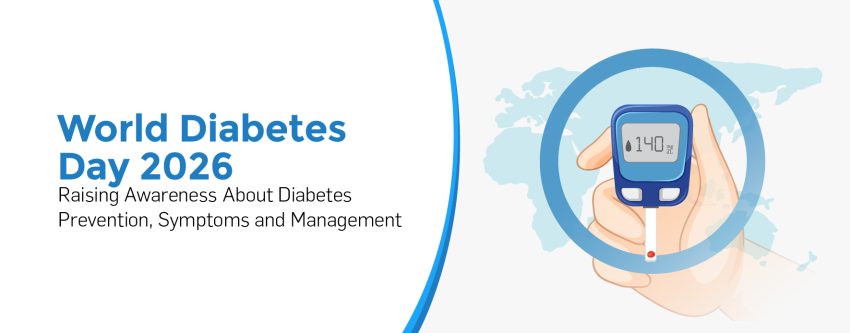
Diabetes is a chronic health condition that affects how the body regulates blood glucose, commonly known as blood sugar. With changing lifestyles, reduced physical activity, unhealthy eating habits, and increasing rates of obesity, diabetes has become a major public health concern. Early diagnosis, regular monitoring, and appropriate medical care can help people manage the condition and reduce the risk of long-term complications.
World Diabetes Day 2026 provides an opportunity to spread awareness about diabetes, encourage healthier lifestyle choices, and highlight the importance of accessible healthcare. It also reminds individuals to recognise potential warning signs, understand their risk factors, and seek medical advice when necessary.
When Is World Diabetes Day Observed?
World Diabetes Day is observed every year on November 14. In 2026, it falls on Saturday, November 14. The observance brings together healthcare professionals, patients, families, community organisations, and public health authorities to promote diabetes awareness and improve access to prevention, diagnosis, and treatment.
The date also marks the birthday of Sir Frederick Banting, who co-discovered insulin alongside Charles Best in 1921.
The annual campaign highlights the importance of education, early detection, healthy living, and continued medical support. It encourages people to take proactive steps towards better health while supporting those already living with diabetes.
What Is the World Diabetes Day Theme 2026?
The official World Diabetes Day theme 2026 should be confirmed through the International Diabetes Federation’s official campaign announcements. The campaign for 2024–2026 has focused on diabetes and well-being, highlighting the importance of improving the quality of life of people living with the condition.
The broader message is that diabetes care should go beyond blood sugar monitoring. It should also address physical health, emotional well-being, access to treatment, and the support individuals need to manage their condition confidently.
What Is Diabetes and How Does It Affect the Body?
Diabetes develops when the body cannot produce enough insulin or cannot use insulin effectively. Insulin is a hormone produced by the pancreas that helps glucose enter cells to provide energy.
When insulin production or function is impaired, glucose can build up in the bloodstream. Persistently high blood sugar levels may damage blood vessels and nerves over time, increasing the risk of complications affecting the heart, kidneys, eyes, and feet.
Diabetes can affect people of different ages and backgrounds. Although some forms cannot currently be prevented, early diagnosis, appropriate treatment, and regular monitoring can help reduce associated health risks.
What Are the Common Diabetes Causes?
The Diabetes causes vary depending on the type of condition. Genetics, immune-system activity, insulin resistance, and certain lifestyle or medical factors may contribute to its development.
Common factors associated with diabetes include:
- Family history: Having close relatives with diabetes can increase an individual’s risk.
- Insulin resistance: The body’s cells become less responsive to insulin, making blood sugar regulation more difficult.
- Excess body weight: Particularly abdominal fat, which is associated with a higher risk of insulin resistance.
- Physical inactivity: Limited regular exercise may affect how the body uses glucose.
- Age: The risk of Type 2 diabetes generally increases with age, although it can also occur in younger people.
- Hormonal and medical factors: Certain hormonal disorders, pancreatic diseases, and some medicines may contribute to diabetes in specific circumstances.
- Autoimmune activity: In Type 1 diabetes, the immune system attacks insulin-producing cells in the pancreas.
Diabetes does not always result from lifestyle choices. Understanding individual risk factors can help people seek appropriate screening and care without unnecessary guilt or stigma.
What Are the Early Warning Signs of Diabetes?
Recognising Diabetes symptoms can help people seek timely medical evaluation. Some individuals experience noticeable symptoms, while others may have elevated blood sugar levels for years without recognising a problem.
Common warning signs include:
- Frequent urination.
- Increased thirst.
- Unusual hunger.
- Unexplained weight loss.
- Persistent tiredness or weakness.
- Blurred vision.
- Slow-healing cuts or wounds.
- Recurrent skin or other infections.
- Tingling or numbness in the hands and feet.
These symptoms do not necessarily mean a person has diabetes, as other conditions can cause similar problems. Blood tests are needed to establish a diagnosis.
Seek urgent medical attention if symptoms occur alongside vomiting, abdominal pain, deep or rapid breathing, severe dehydration, or confusion, as these may indicate a serious complication.
Understanding Type 1 Diabetes and Type 2 Diabetes
Diabetes has several forms, with the two most common being Type 1 and Type 2.
Type 1 Diabetes
In Type 1 diabetes, the immune system attacks the insulin-producing beta cells in the pancreas. As a result, the body produces little or no insulin. The condition can develop during childhood, adolescence, or adulthood.
Insulin therapy is essential for survival. Management also involves blood glucose monitoring, meal planning, physical activity, and education about preventing low and high blood sugar levels.
Type 2 Diabetes
In Type 2 diabetes, the body becomes resistant to insulin or does not produce enough insulin to maintain normal blood glucose levels. It is the most common form and is associated with several risk factors, including family history, age, excess weight, and physical inactivity.
Management may include lifestyle changes, oral medicines, injectable medications, insulin when needed, and regular follow-up.
Both forms require individualised medical care. The appropriate treatment depends on the type of diabetes, blood glucose levels, overall health, and other medical conditions.
How to Control Blood Sugar Naturally?
People often ask, How to control blood sugar naturally? Healthy lifestyle habits can support glucose management, particularly in Type 2 diabetes. However, natural approaches should complement prescribed treatment rather than replace it.
Consider the following steps:
- Choose balanced meals: Include vegetables, whole grains, pulses, lean proteins, and appropriate portions of healthy fats.
- Increase physical activity: Regular walking, cycling, swimming, or other suitable exercises can improve insulin sensitivity.
- Maintain a healthy weight: If weight loss is appropriate, gradual and sustainable changes may help improve blood sugar control.
- Stay hydrated: Water is generally a good choice. Limit sugar-sweetened drinks and excessive consumption of fruit juices.
- Prioritise sleep: Consistent, adequate sleep supports overall metabolic health.
- Manage stress: Relaxation techniques, breathing exercises, and enjoyable activities may help support healthy routines.
- Monitor blood sugar: Follow your healthcare professional’s advice on home glucose testing and medical follow-up.
Do not stop insulin or other prescribed medicines in favour of herbal remedies, supplements, or home treatments. Some products may interact with diabetes medicines or cause dangerously low blood sugar.
Diabetes Prevention Tips for Adults
Although Type 1 diabetes cannot currently be prevented, many cases of Type 2 diabetes can be delayed or prevented through appropriate lifestyle changes, particularly among people at increased risk.
Useful Diabetes prevention tips for adults include:
- Engage in at least 150 minutes of moderate-intensity physical activity per week, if medically appropriate.
- Eat fibre-rich foods, vegetables, pulses, and whole grains regularly.
- Reduce sugary drinks and limit highly processed foods.
- Maintain a healthy weight and waist circumference.
- Avoid tobacco and limit alcohol consumption.
- Get adequate sleep and manage ongoing stress.
- Undergo blood sugar screening if you have risk factors such as a family history, previous gestational diabetes, or excess body weight.
People with prediabetes should discuss a personalised prevention plan with a healthcare professional. Early intervention can make a meaningful difference to long-term health.
What Is an HbA1c Test and Why Is It Important?
An HbA1c test measures the percentage of haemoglobin in red blood cells that has glucose attached to it. It provides an estimate of average blood sugar levels over approximately the previous two to three months.
The test is commonly used to diagnose diabetes and monitor long-term glucose control.
Typical diagnostic ranges for non-pregnant adults are:
| HbA1c result | Interpretation |
| Below 5.7% | Normal range |
| 5.7%–6.4% | Prediabetes range |
| 6.5% or higher | Diabetes range |
In the absence of clear symptoms or unequivocal high blood sugar, an abnormal result generally requires confirmation through repeat testing or another appropriate diagnostic test.
HbA1c targets for people already diagnosed with diabetes vary according to age, health status, treatment, and the risk of low blood sugar. Your healthcare professional can help determine an appropriate target.
What Should You Eat If You Have Diabetes?
A balanced Diabetes diet focuses on maintaining steady blood glucose levels while providing adequate nutrition. There is no single meal plan suitable for everyone, so dietary choices should reflect individual needs, preferences, medicines, and other health conditions.
Helpful dietary practices include:
- Eat more fibre: Choose vegetables, beans, lentils, oats, and whole grains.
- Include protein: Consider pulses, eggs, fish, lean meats, tofu, or other suitable protein sources.
- Watch portion sizes: Large portions of carbohydrate-rich foods can increase blood sugar levels.
- Choose healthier fats: Nuts, seeds, and suitable plant oils can form part of a balanced diet.
- Limit added sugars: Reduce sweets, sugary beverages, and desserts consumed frequently.
- Eat fruit in appropriate portions: Whole fruit is generally preferable to juice because it retains more fibre.
- Personalise meal timing: People taking insulin or certain glucose-lowering medicines may need to coordinate meals and medication to avoid low blood sugar.
Individuals with diabetes-related kidney disease or other complications may need additional dietary adjustments. A qualified dietitian can help develop a practical eating plan.
What Are the Complications of Uncontrolled Diabetes?
Persistently elevated blood sugar can damage blood vessels and nerves, increasing the risk of several complications.
These may include:
- Heart disease and stroke: Diabetes can increase cardiovascular risk.
- Kidney disease: Damage to small blood vessels in the kidneys may impair their function.
- Eye complications: Diabetic retinopathy can affect vision and may lead to blindness if not managed.
- Nerve damage: Neuropathy may cause pain, tingling, numbness, or loss of sensation.
- Foot problems: Reduced sensation and poor circulation can increase the risk of ulcers and infections.
- Oral health problems: Diabetes can increase the risk of gum disease and other dental issues.
Regular medical check-ups, blood pressure and cholesterol management, eye examinations, kidney monitoring, and foot assessments can help identify complications early.
Why Is Regular Diabetes Monitoring Important?
Diabetes management is an ongoing process. Regular monitoring helps healthcare professionals understand whether treatment is working and whether adjustments are needed.
Depending on the individual’s condition, monitoring may involve blood glucose tests, HbA1c measurements, blood pressure checks, cholesterol tests, kidney function assessments, and eye and foot examinations.
Patients should discuss how often to monitor their blood sugar and when to seek medical help. Symptoms of low blood sugar, such as sweating, trembling, dizziness, and confusion, require prompt attention, particularly for people taking insulin or certain other medicines.
Consistent follow-up can help people manage their condition more safely and reduce the likelihood of avoidable complications.
Diabetes Care at Venkateshwar Hospital
Individuals seeking medical guidance can consult Venkateshwar Hospital for evaluation, diagnosis, and ongoing management of diabetes. A qualified physician or diabetes specialist can assess symptoms, review blood test results, identify associated risk factors, and recommend an appropriate treatment plan.
Depending on individual needs, care may include blood glucose monitoring, medication management, dietary guidance, lifestyle counselling, and screening for diabetes-related complications.
People with diabetes should not wait for symptoms to become severe before seeking advice. Timely medical consultation and regular follow-up can support better long-term health outcomes.
Conclusion
World Diabetes Day encourages everyone to take diabetes seriously while recognising that the condition can often be managed effectively with appropriate care. Understanding risk factors, recognising warning signs, maintaining healthy habits, and attending regular medical appointments can help people protect their long-term health.
Whether you are trying to reduce your risk or already living with diabetes, small, consistent steps can make a difference. Early diagnosis, individualised treatment, and continued support are essential to improving well-being and preventing complications.
Frequently Asked Questions (FAQs)
When is World Diabetes Day 2026?
It is observed on November 14, 2026, to raise awareness about diabetes prevention, diagnosis, treatment, and long-term management.
What is the official theme for 2026?
The 2024–2026 campaign focuses on diabetes and well-being. Check the International Diabetes Federation’s official announcements for the precise campaign wording and any 2026-specific updates.
Can diabetes be prevented?
Many cases of Type 2 diabetes can be delayed or prevented through physical activity, balanced nutrition, weight management where appropriate, and early intervention in people at increased risk. Type 1 diabetes cannot currently be prevented.
What are the first warning signs of diabetes?
Frequent urination, increased thirst, fatigue, blurred vision, and unexplained weight loss can be warning signs. Some people have no noticeable symptoms, making screening important.
What is a normal HbA1c level?
For most non-pregnant adults without diabetes, an HbA1c below 5.7% is considered normal. Results should be interpreted by a healthcare professional in the context of individual circumstances.
Can diabetes be controlled without medication?
Some people with early Type 2 diabetes may achieve better glucose control through lifestyle changes, but others need medication or insulin. Treatment should never be stopped without medical guidance.
Which foods should people with diabetes limit?
Sugary drinks, foods high in added sugars, and highly processed foods should generally be limited. Individual dietary recommendations depend on health needs and prescribed treatment.
How often should blood sugar be checked?
The frequency depends on the type of diabetes, medicines, glucose stability, and individual treatment goals. Your healthcare professional can recommend an appropriate monitoring schedule.
Can people with diabetes exercise?
Yes. Regular physical activity generally supports glucose management and cardiovascular health. People using insulin or medicines that can cause low blood sugar may need additional precautions.
When should someone consult a diabetes specialist?
Seek medical advice if you have symptoms, abnormal blood sugar results, diabetes risk factors, difficulty controlling glucose, or signs of possible complications. Severe weakness, vomiting, confusion, or deep and rapid breathing may require emergency care.
Written & Verified By:

Dr. Rakesh Chugh MBBS, MS, DNB
Director & HOD Cardio Thoracic & Vascular Surgery
Meet The Doctor