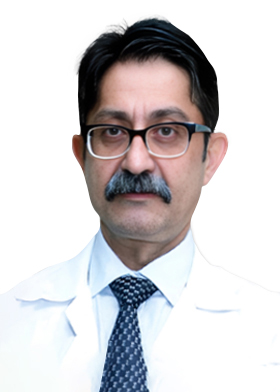
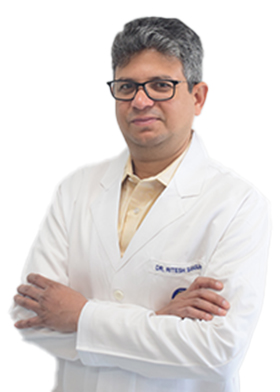
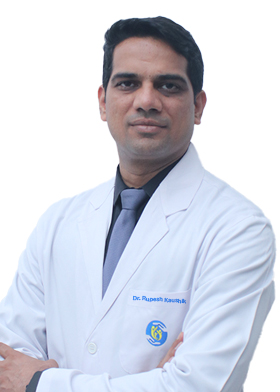
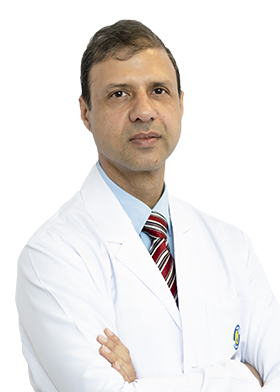
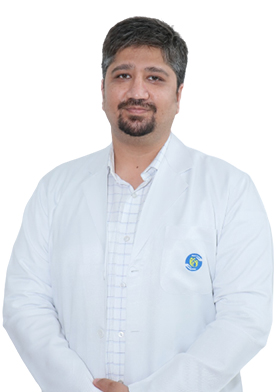
Your heart deserves expert care at every stage of life. Whether you're experiencing chest pain, shortness of breath, high blood pressure, irregular heartbeat, or have been diagnosed with a heart condition, consulting an experienced Cardiologist in Delhi can make a significant difference in your treatment and long-term heart health.
Our Department of Cardiology provides diagnosis and treatment for a wide range of cardiovascular conditions, including:
Supported by state-of-the-art catheterisation laboratories, advanced imaging, and modern critical care facilities, our specialists ensure timely diagnosis and personalised treatment plans for every patient.
We offer a full spectrum of cardiac services, including:
Venkateshwar Hospital is recognised as a leading heart specialist hospital in Delhi, offering world-class infrastructure, highly experienced specialists, and advanced cardiac technology.
Our department includes some of the best cardiologists in Delhi NCR, working closely with cardiac surgeons, intensivists, radiologists, and rehabilitation experts to provide coordinated care.
We utilise modern diagnostic equipment, high-end catheterisation laboratories, advanced imaging systems, and fully equipped cardiac intensive care units to ensure accurate diagnosis and effective treatment.
Our dedicated emergency team is available 24×7 for rapid evaluation and treatment of heart attacks and other life-threatening cardiac emergencies, helping improve survival and recovery.
Every patient receives an individualised treatment plan based on their condition, age, lifestyle, and overall health. Our focus is not only on treating heart disease but also on preventing future cardiac events.
Our specialists manage both common and complex heart conditions, including:
Patients searching for a trusted Heart specialist in Delhi can rely on our experienced team for accurate diagnosis and comprehensive care.
Consult a cardiologist if you experience:
Early diagnosis and timely intervention can significantly reduce the risk of serious heart complications.
Your heart health should never be delayed. If you are experiencing symptoms or have risk factors for heart disease, schedule a consultation with an experienced Heart Doctor in Delhi at Venkateshwar Hospital. Our team is committed to providing compassionate, comprehensive, and advanced cardiac care to help you lead a healthier life.
A cardiologist is a medical specialist who diagnoses, treats, and prevents disorders of the heart and blood vessels. They manage conditions such as coronary artery disease, arrhythmias, heart failure, high blood pressure, and heart attacks, providing medical treatment, monitoring, and lifestyle guidance to support long-term cardiovascular health.
Cardiologists treat heart and vascular conditions like coronary artery disease, heart attacks, arrhythmias, heart valve disorders, heart failure, congenital defects, high blood pressure, cardiomyopathy, pericarditis, peripheral artery disease, pulmonary hypertension, endocarditis, and lipid disorders. They provide urgent care, ongoing management, and prevention to ensure optimal cardiovascular health.
Cardiologists carry out diagnostic procedures such as electrocardiograms (ECG), echocardiograms, and stress tests, as well as therapeutic interventions including cardiac catheterisation, stent placement, angioplasty, pacemaker and defibrillator implantation, and cardiac ablation. They also manage surgical care like coronary artery bypass grafting (CABG) and heart valve operations, which cardiac surgeons usually perform.
It is recommended to visit a cardiologist if you experience chest discomfort, palpitations, or shortness of breath, or have risk factors such as high blood pressure, diabetes, high cholesterol, or a family history of heart disease. Consulting a cardiologist in Delhi at Venkateshwar Hospital ensures expert evaluation and personalised guidance for preventing and maintaining long-term heart health.
During your first visit, the cardiologist reviews your medical history, discusses symptoms, and conducts a physical examination. They may request tests such as ECG, echocardiogram, or blood work to evaluate heart function. After assessing results, they explain findings and recommend a personalised treatment, monitoring, or lifestyle plan.
After heart surgery, a cardiologist monitors recovery, manages medications, and evaluates heart function to prevent complications. They collaborate with cardiac surgeons and other specialists, providing follow-up care, rehabilitation guidance, and lifestyle advice to support safe recovery and ensure long-term cardiovascular health.
A cardiologist focuses on diagnosing and treating heart conditions through medical therapy and minimally invasive procedures. A cardiac surgeon performs surgical interventions such as open-heart surgery, bypass grafting, or valve replacement. Both collaborate closely, with cardiologists managing non-surgical care while surgeons address structural heart issues.
Standard tests include ECGs, echocardiograms, stress tests, Holter monitoring, cardiac catheterisation, coronary angiography, and blood tests. These help assess heart function, detect abnormalities, monitor blood flow, and guide treatment planning for urgent and ongoing cardiovascular care.
A general physician provides care for a wide range of health issues, managing common illnesses and preventive measures. A cardiologist is a specialist in heart and vascular health, performing advanced tests, diagnosing complex conditions, and offering targeted treatments to manage cardiovascular disease effectively.
Doctors may refer patients to a cardiologist if there are symptoms suggestive of heart disease, abnormal test results, or risk factors such as high blood pressure, diabetes, or a family history of heart conditions. Consulting a cardiologist in Delhi at Venkateshwar Hospitals provides specialised evaluation, accurate diagnosis, and tailored treatment plans for optimal outcomes.