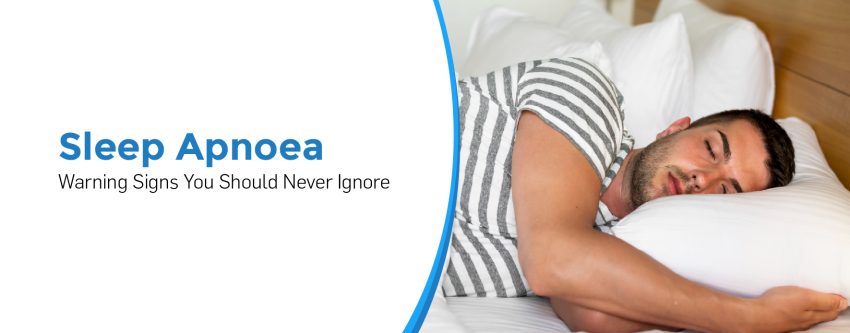
Millions of people around the world live with sleep apnoea symptoms without even realising it. However, many people struggle with undiagnosed sleep disorders that silently affect their health. One of the most common yet overlooked conditions is sleep apnoea. While occasional snoring may seem harmless, persistent interruptions in breathing during sleep can have serious consequences if left untreated.
Recognising the warning signs early and seeking timely medical care can help prevent long-term complications such as heart disease, stroke, diabetes, and chronic fatigue. In this blog, we explain what sleep apnoea is, its symptoms, risk factors, diagnosis, treatment options, and when you should consult a specialist.
What Is Sleep Apnoea?
Sleep apnoea is a disorder in which breathing repeatedly stops and starts during sleep. These pauses can last from a few seconds to over a minute and may occur dozens or even hundreds of times. The medical definition of apnoea refers to a temporary cessation of breathing that disrupts normal sleep and reduces oxygen supply to the body.
The most common type is obstructive sleep apnoea (OSA), where the muscles in the throat relax excessively, blocking the airway.
Common Signs of Sleep Apnoea
Many people are unaware they have sleep apnoea because the symptoms occur while they are asleep. Family members or bed partners often notice the warning signs first.
Some common signs of apnoea include:
- Loud, persistent snoring
- Episodes where you stop breathing while sleeping
- Sudden gasping or choking during sleep
- Waking up with a dry mouth or sore throat
- Morning headaches
- Excessive daytime sleepiness
- Difficulty concentrating
- Irritability or mood changes
- Poor memory
- Restless sleep
These symptoms should never be ignored, especially if they occur regularly.
Is Snoring Always a Sign of Sleep Apnoea?
Not everyone who snores has sleep apnoea, but loud, habitual snoring is one of the strongest warning signs of obstructive sleep apnoea. Snoring becomes concerning when it is accompanied by pauses in breathing, choking sounds, or excessive daytime fatigue.
If your snoring disrupts your sleep or your partner notices breathing interruptions, it is important to seek medical evaluation.
Causes and Risk Factors
Several factors increase the likelihood of developing sleep apnoea:
- Excess body weight or obesity
- Large neck circumference
- Enlarged tonsils or adenoids
- Family history
- Increasing age
- Smoking
- Alcohol consumption before bedtime
- Nasal congestion
- Sleeping on your back
Although more common in men, women—especially after menopause—can also develop sleep apnoea.
Understanding OSA Symptoms
The severity of OSA symptoms can vary from person to person. Some individuals experience mild fatigue, while others struggle with severe daytime drowsiness that interferes with work, driving, and daily activities.
Symptoms often worsen over time if left untreated, making early diagnosis essential.
Why Sleep Apnoea Should Never Be Ignored
Untreated sleep apnoea affects much more than your sleep. It can significantly impact overall health.
Potential complications include:
- High blood pressure
- Heart disease
- Stroke
- Irregular heartbeat
- Type 2 diabetes
- Depression and anxiety
- Poor work performance
- Increased risk of road accidents due to daytime sleepiness
Protecting your apnoea health means recognising symptoms early and receiving appropriate treatment before complications develop.
How Is Sleep Apnoea Diagnosed?
Doctors usually begin with a detailed medical history and physical examination. Depending on your symptoms, they may recommend:
- Overnight sleep study (Polysomnography)
- Home sleep apnoea testing
- Oxygen monitoring
- Airway examination
- Evaluation of underlying medical conditions
Early diagnosis helps determine the severity of the condition and guides the most effective treatment plan.
OSA Treatment Options
The goal of OSA treatment is to keep the airway open during sleep and restore normal breathing.
Treatment options may include:
Lifestyle Changes
- Weight loss
- Regular exercise
- Sleeping on your side
- Avoiding alcohol before bedtime
- Quitting smoking
CPAP Therapy
Continuous Positive Airway Pressure (CPAP) is considered the gold standard for moderate to severe obstructive sleep apnoea. The machine delivers pressurised air through a mask to keep the airway open during sleep.
Oral Appliances
Specially designed dental devices help reposition the jaw and tongue to reduce airway obstruction in selected patients.
Surgery
Surgical treatment may be recommended for patients with structural airway abnormalities or when other treatments are ineffective.
Can Medication Cure Sleep Apnoea?
Currently, there is no specific medicine for sleep that can cure obstructive sleep apnoea. While certain medications may help improve sleep quality or treat related conditions, they do not eliminate airway blockage. A qualified sleep specialist should always guide treatment.
Healthy Habits That Reduce Sleep Problems
Simple lifestyle modifications can improve sleep quality and reduce the severity of many sleep problems:
- Maintain a regular sleep schedule.
- Achieve and maintain a healthy weight.
- Avoid heavy meals before bedtime.
- Limit alcohol and smoking.
- Exercise regularly.
- Keep your bedroom quiet, dark, and comfortable.
- Manage allergies and nasal congestion.
When Should You See a Doctor?
Consult a healthcare professional if you experience:
- Loud snoring most nights
- Witnessed pauses in breathing
- Excessive daytime sleepiness
- Morning headaches
- Difficulty concentrating
- Frequent nighttime awakenings
- Poor-quality sleep despite adequate sleep duration
Sleep apnoea is one of several sleep conditions that require professional diagnosis and treatment. Early intervention can significantly improve your quality of life and reduce future health risks.
Why Choose Venkateshwar Hospital?
At Venkateshwar Hospital, our experienced pulmonologists and sleep medicine specialists provide comprehensive evaluation and advanced diagnostic services for sleep disorders. From sleep studies to personalised treatment plans, we focus on improving your sleep quality and overall health through evidence-based care.
Regular health checkups can also help identify underlying risk factors associated with sleep apnoea, allowing timely intervention before complications arise. If you are experiencing persistent symptoms, find a doctor to discuss the right diagnostic and treatment options.
Conclusion
Sleep apnoea is a serious medical condition that often goes unnoticed until complications develop. Loud snoring, interrupted breathing, excessive daytime sleepiness, and poor concentration are warning signs that should never be ignored. Fortunately, early diagnosis and appropriate treatment can restore restful sleep, improve overall health, and reduce the risk of serious cardiovascular and metabolic diseases.
If you or a loved one experiences symptoms suggestive of sleep apnoea, consult a qualified sleep specialist without delay. Better sleep today can lead to better health tomorrow.
Frequently Asked Questions (FAQs)
What are the first signs of sleep apnoea?
Common early signs include loud snoring, gasping during sleep, daytime fatigue, morning headaches, and interrupted breathing noticed by a bed partner.
Is sleep apnoea dangerous if left untreated?
Yes. Untreated sleep apnoea increases the risk of high blood pressure, heart disease, stroke, diabetes, and accidents caused by excessive daytime sleepiness.
Does everyone who snores have sleep apnoea?
No. While snoring is common, only persistent loud snoring accompanied by breathing pauses or daytime fatigue should raise concern for sleep apnoea.
How is sleep apnoea diagnosed?
Doctors diagnose sleep apnoea using a sleep study (polysomnography) or home sleep apnoea testing, along with a clinical evaluation.
Can losing weight improve sleep apnoea?
Yes. For overweight individuals, weight loss can significantly reduce the severity of obstructive sleep apnoea and improve breathing during sleep.
What is the best treatment for sleep apnoea?
Treatment depends on severity and may include CPAP therapy, lifestyle changes, oral appliances, or surgery.
Can children develop sleep apnoea?
Yes. Enlarged tonsils, obesity, and certain medical conditions can cause sleep apnoea in children, requiring evaluation by a specialist.
When should I consult a doctor for sleep apnoea?
You should seek medical advice if you experience loud snoring, breathing pauses during sleep, excessive daytime sleepiness, or persistent poor-quality sleep despite adequate rest.
Written & Verified By:

Dr. Pratibha Gogia (MBBS, DNB)
Director & HOD Pulmonology & Sleep Medicine
Meet The Doctor