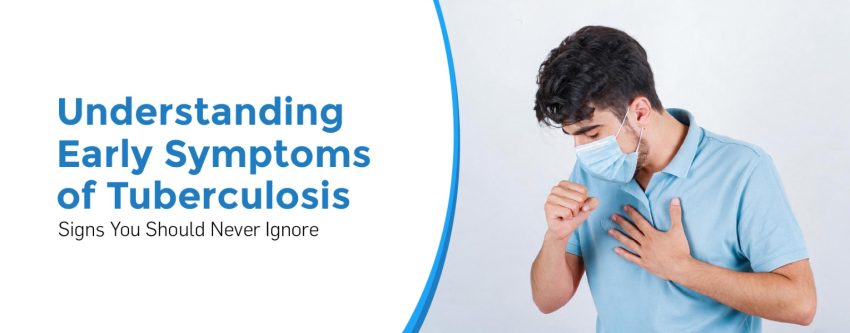
Tuberculosis (TB) is a serious infectious disease that primarily affects the lungs, although it can also spread to other parts of the body. Despite being preventable and curable, TB remains a major public health concern, especially in countries with a high disease burden. Recognising the early warning signs and seeking timely medical care can significantly improve treatment outcomes and prevent the spread of infection.
In this blog, we’ll discuss the early symptoms of tuberculosis, its causes, risk factors, diagnosis, treatment, and practical ways to protect yourself and your loved ones.
What is Tuberculosis?
Tuberculosis is a bacterial infection caused by Mycobacterium tuberculosis. It spreads through tiny droplets released into the air when an infected person coughs, sneezes, speaks, or sings. People who inhale these bacteria may become infected, although not everyone develops active disease.
The most common form is pulmonary tuberculosis, which affects the lungs. However, TB can also affect the lymph nodes, bones, kidneys, brain, and other organs.
Early Symptoms of Tuberculosis
The early stages of TB can be mild and often mistaken for common respiratory infections. This is why many people delay seeking medical attention.
Some common tuberculosis symptoms include:
- A persistent cough lasting more than two to three weeks
- Mild fever, especially during evenings
- Night sweats
- Unexplained weight loss
- Fatigue and weakness
- Loss of appetite
- Chest discomfort or pain
- Coughing up blood or blood-streaked sputum in advanced cases
These symptoms of TB disease should never be ignored, particularly if they continue despite routine treatment.
Common Signs That Need Immediate Medical Attention
While some symptoms develop gradually, certain warning signs require prompt evaluation.
The important signs of tuberculosis include:
- Persistent cough that does not improve
- Continuous fever
- Excessive night sweating
- Rapid weight loss
- Difficulty breathing
- Chest pain while coughing
- Blood in sputum
Early diagnosis can help prevent complications and reduce transmission to others.
What Causes Tuberculosis?
Tuberculosis causes can help reduce the risk of infection.
TB spreads through airborne droplets from a person with active lung TB. You cannot usually catch TB by sharing food, shaking hands, or touching common surfaces.
Several factors increase the risk of infection:
- Close contact with an infected person
- Weakened immune system
- HIV infection
- Diabetes
- Malnutrition
- Smoking and excessive alcohol consumption
- Chronic kidney disease
- Living in crowded or poorly ventilated environments
Who is at Higher Risk?
Anyone can develop TB, but certain individuals are more vulnerable, including:
- Healthcare workers
- Elderly adults
- Young children
- People with weakened immunity
- Individuals undergoing chemotherapy
- Organ transplant recipients
- People with HIV/AIDS
- Individuals with uncontrolled diabetes
Routine screening is especially important for high-risk groups.
How is Tuberculosis Diagnosed?
Early diagnosis plays a crucial role in successful treatment. Your doctor may recommend one or more investigations based on your symptoms.
Common methods include:
- Physical examination
- Chest X-ray
- Sputum microscopy
- Molecular diagnostic tests
- Blood investigations
- Culture tests
Modern TB testing methods allow faster and more accurate diagnosis, enabling treatment to begin without unnecessary delays.
Treatment for Tuberculosis
TB is curable when treated correctly. Treatment usually involves a combination of antibiotics taken for six to nine months.
Key aspects of treatment include:
- Taking medications exactly as prescribed
- Completing the full treatment course
- Regular follow-up appointments
- Monitoring for medication side effects
- Maintaining proper nutrition
Stopping medication early may lead to drug-resistant TB, which is much harder to treat.
Possible Complications of Untreated TB
If left untreated, tuberculosis can lead to severe complications such as:
- Permanent lung damage
- Respiratory failure
- Spread of infection to the brain, bones, kidneys, or spine
- Pleural effusion (fluid around the lungs)
- Meningitis
- Organ failure
- Increased risk of death
Timely diagnosis greatly reduces these risks.
Tuberculosis Prevention Tips
Simple preventive measures can lower the risk of infection and transmission.
Effective tuberculosis prevention includes:
- Getting evaluated if you have a persistent cough
- Completing the full course of TB medication
- Covering your mouth while coughing or sneezing
- Wearing a mask when advised
- Maintaining good indoor ventilation
- Eating a nutritious, balanced diet
- Avoiding smoking and excessive alcohol
- Receiving BCG vaccination where recommended
- Encouraging early screening for close contacts
Importance of Regular Health Screening
Many serious diseases can be detected early before complications develop. A comprehensive health checkup can help identify underlying health conditions that increase susceptibility to infections and support timely medical intervention.
If you experience a persistent cough, unexplained fever, or weight loss, consult a healthcare professional without delay.
When Should You See a Doctor?
Seek medical advice if you experience:
- Cough lasting longer than two weeks
- Fever with night sweats
- Persistent fatigue
- Sudden weight loss
- Blood while coughing
- Close contact with someone diagnosed with TB
Early consultation allows faster diagnosis, reduces disease transmission, and improves recovery.
If you’re experiencing concerning symptoms, it’s important to find a doctor who can evaluate your condition and recommend appropriate investigations and treatment.
Why Choose Venkateshwar Hospital for Tuberculosis Care?
At Venkateshwar Hospital, experienced pulmonologists, infectious disease specialists, and advanced diagnostic facilities work together to provide comprehensive evaluation and treatment for tuberculosis. The hospital offers modern imaging, laboratory support, personalised treatment plans, and continuous patient monitoring to ensure the best possible outcomes.
Conclusion
Tuberculosis is a treatable disease, but delayed diagnosis can lead to serious complications and increased transmission. Recognising the early symptoms, seeking prompt medical care, and completing the prescribed treatment are essential for a full recovery. Maintaining good hygiene, healthy nutrition, and regular medical evaluations also play an important role in reducing the burden of TB.
If you notice a persistent cough, unexplained fever, weight loss, or other warning signs, don’t ignore them. Early diagnosis and timely treatment can save lives.
Frequently Asked Questions (FAQs)
What is the earliest symptom of tuberculosis?
A persistent cough lasting more than two weeks is often one of the earliest signs. It may be accompanied by mild fever, fatigue, and loss of appetite.
Is tuberculosis contagious?
Yes. Active lung TB spreads through airborne droplets when an infected person coughs, sneezes, or speaks.
Can tuberculosis be cured completely?
Yes. Most cases can be completely cured with the correct antibiotics taken for the full prescribed duration.
How long does TB treatment usually last?
Treatment generally lasts between six and nine months, depending on the type and severity of the infection.
Who is at the highest risk of developing tuberculosis?
People with weakened immunity, diabetes, HIV infection, malnutrition, healthcare workers, and those living in crowded conditions are at higher risk.
Can TB affect organs other than the lungs?
Yes. TB can also affect the brain, bones, kidneys, spine, lymph nodes, and other organs.
What foods should TB patients eat?
A balanced diet rich in proteins, fruits, vegetables, whole grains, and adequate fluids supports recovery and strengthens immunity.
Can tuberculosis return after treatment?
TB may recur if treatment is not completed properly or if a person becomes infected again. Regular follow-up helps reduce this risk.
Should family members of a TB patient get tested?
Yes. Close contacts should consult a healthcare provider for evaluation and screening if recommended.
Can TB be prevented?
Although not all cases can be prevented, early diagnosis, prompt treatment, vaccination where appropriate, good ventilation, respiratory hygiene, and healthy lifestyle habits significantly reduce the risk of infection and transmission.
Written & Verified By:
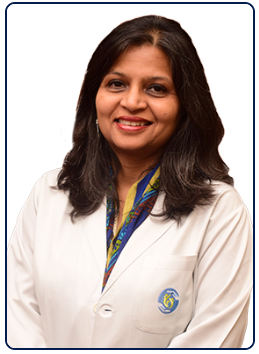
Dr. Pratibha Gogia (MBBS, DNB)
Director & HOD Pulmonology & Sleep Medicine
Meet The Doctor