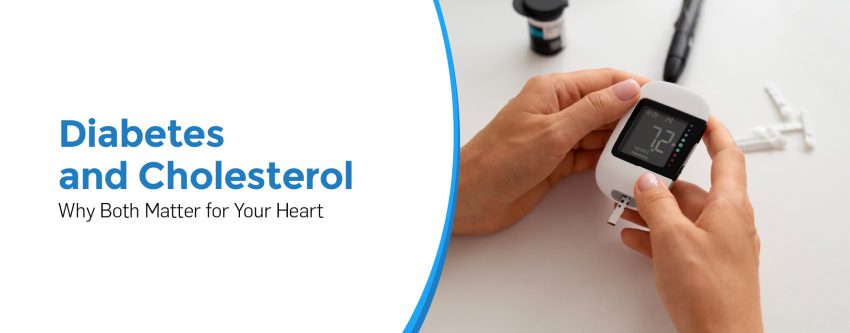
Diabetes and high cholesterol are two of the most common chronic health conditions worldwide. Individually, each can increase the risk of cardiovascular disease, but when they occur together, the danger to your heart becomes significantly greater. High blood sugar can damage blood vessels over time, while excess cholesterol can build up inside the arteries, restricting blood flow and increasing the likelihood of serious heart complications.
Understanding the connection between diabetes, cholesterol, and heart health is essential for preventing long-term complications. With timely diagnosis, healthy lifestyle changes, and appropriate medical care, it is possible to reduce these risks and maintain a healthier heart.
How Diabetes Affects the Heart
Diabetes occurs when the body cannot effectively regulate blood glucose levels. Persistently high blood sugar damages the inner lining of blood vessels, making them more prone to inflammation and plaque formation. Over time, this narrows the arteries and reduces blood flow to the heart.
People with diabetes are also more likely to develop obesity, hypertension, and abnormal cholesterol levels, all of which further increase the risk of cardiovascular disease.
Understanding Cholesterol
Cholesterol is a waxy substance that the body needs to produce hormones, vitamin D, and digestive enzymes. However, excessive cholesterol circulating in the bloodstream can become harmful.
There are two primary types of cholesterol:
- Low-Density Lipoprotein (LDL):Often called “bad” cholesterol because it contributes to plaque buildup inside arteries.
- High-Density Lipoprotein (HDL):Known as “good” cholesterol because it helps remove excess cholesterol from the bloodstream.
Maintaining healthy cholesterol levels is essential for preserving heart function and preventing cardiovascular disease.
Why Diabetes and High Cholesterol Are a Dangerous Combination
When diabetes and elevated cholesterol occur together, blood vessels become increasingly vulnerable to damage. High glucose levels injure the artery walls, allowing cholesterol deposits to accumulate more easily. This accelerates atherosclerosis, a condition where arteries become narrow and stiff.
The combination significantly increases the risk of:
- Coronary artery disease
- Heart attack
- Stroke
- Peripheral artery disease
- Kidney disease
Poorly controlled blood sugar and blood pressure further increase the strain on the cardiovascular system.
How Cholesterol Impacts Heart Health
One of the biggest concerns associated with elevated cholesterol is the gradual blockage of arteries supplying blood to the heart. This cholesterol effect on heart can reduce oxygen delivery, resulting in chest pain, heart attacks, or long-term heart damage.
Maintaining healthy cholesterol levels is one of the most effective ways to protect cardiovascular health.
Common Causes of High Cholesterol
Several lifestyle and genetic factors contribute to unhealthy cholesterol levels. Some common causes of cholesterol include:
- Diet high in saturated and trans fats
- Physical inactivity
- Obesity
- Smoking
- Excessive alcohol consumption
- Family history
- Diabetes
Understanding these risk factors allows individuals to make healthier lifestyle choices.
Risk Factors That Increase Heart Disease
The likelihood of heart disease increases when multiple risk factors are present simultaneously.
Major contributors include:
- Diabetes
- High blood pressure
- Smoking
- Obesity
- Physical inactivity
- Family history
- Stress
- Increasing age
Proper management of diabetes and blood pressure is especially important for reducing cardiovascular risk.
Symptoms to Watch For
Heart disease often develops gradually, and early symptoms may be subtle. Some common symptoms of heart disease include:
- Chest discomfort
- Shortness of breath
- Fatigue
- Dizziness
- Irregular heartbeat
- Pain radiating to the jaw, neck, or left arm
- Swelling in the legs or feet
Anyone experiencing these symptoms should seek prompt medical evaluation.
High Cholesterol Often Has No Symptoms
One of the challenges of managing cholesterol is that a high cholesterol level usually causes no noticeable symptoms until significant artery blockage has already occurred.
Regular screening is therefore essential for early detection and timely intervention.
The Role of Blood Pressure
People living with diabetes frequently experience hypertension. Elevated blood pressure damages blood vessels, increasing the risk of heart attack and stroke.
Managing glucose levels, blood pressure, and cholesterol together provides the greatest protection against cardiovascular complications.
Healthy Eating for Better Heart Health
Diet plays a major role in controlling both diabetes and cholesterol.
An ideal diet for high blood cholesterol should include:
- Fresh fruits
- Vegetables
- Whole grains
- Legumes
- Lean protein
- Nuts and seeds
- Healthy oils like olive oil
At the same time, it is advisable to reduce intake of:
- Fried foods
- Processed snacks
- Sugary beverages
- Fatty meats
- Bakery products rich in trans fats
Foods That Raise Good Cholesterol
Increasing HDL cholesterol helps protect the heart.
Some excellent good cholesterol foods include:
- Fatty fish
- Walnuts
- Almonds
- Flaxseeds
- Chia seeds
- Olive oil
- Avocados
- Oats
Combined with regular exercise, these foods support better cardiovascular health.
Lifestyle Tips to Protect Your Heart
Healthy habits can dramatically reduce the risk of heart disease.
Consider these preventive measures:
- Exercise for at least 150 minutes each week.
- Maintain a healthy body weight.
- Avoid smoking.
- Limit alcohol intake.
- Manage stress effectively.
- Sleep for 7–8 hours every night.
- Monitor blood sugar, cholesterol, and blood pressure regularly.
- Take prescribed medications consistently.
Small daily improvements often lead to significant long-term health benefits.
Can Diabetes Lead to Heart Failure?
Uncontrolled diabetes increases the risk of developing heart failure by weakening the heart muscle over time.
Some common causes of heart failure include:
- Coronary artery disease
- Long-standing high blood pressure
- Diabetes
- Previous heart attack
- Heart valve disease
Early treatment of these conditions helps preserve heart function.
Importance of Regular Screening
Many heart problems develop silently before noticeable symptoms appear. Routine screening helps identify risk factors early and allows timely treatment.
A comprehensive heart health checkup may include:
- Blood sugar testing
- Lipid profile
- Blood pressure measurement
- ECG
- Echocardiogram (when required)
- Body mass index assessment
Early diagnosis greatly improves treatment outcomes.
Expert Cardiac Care
At Venkateshwar Hospital, experienced cardiologists and diabetologists work together to provide comprehensive care for individuals with diabetes and cardiovascular risk factors. Advanced diagnostic facilities, personalised treatment plans, and preventive care programs help patients maintain better heart health.
Individuals with diabetes or high cholesterol should consider regular health checkup packages for early detection of cardiovascular risk factors. If you notice concerning symptoms or have multiple risk factors, find a doctor for timely medical advice and book an appointment for a comprehensive evaluation.
Conclusion
Diabetes and high cholesterol are closely connected and can significantly increase the risk of heart disease when left unmanaged. Fortunately, healthy lifestyle choices, regular exercise, a balanced diet, and routine medical screenings can help control both conditions and protect your heart. Taking proactive steps today can reduce future complications and support a longer, healthier life.
Frequently Asked Questions (FAQs)
Why are diabetes and high cholesterol dangerous together?
Diabetes damages blood vessels, while high cholesterol promotes plaque buildup in arteries. Together, they greatly increase the risk of heart attack and stroke.
Can high cholesterol occur even if I feel healthy?
Yes. High cholesterol usually has no symptoms, making regular cholesterol screening essential.
How often should people with diabetes check their cholesterol?
Most people with diabetes should have their cholesterol checked at least once a year, or more frequently if recommended by their doctor.
Can diet alone reduce cholesterol?
For many individuals, healthy eating and exercise can significantly improve cholesterol levels. Others may also require medication depending on their overall risk.
Does controlling blood sugar improve heart health?
Yes. Keeping blood sugar within the recommended range helps reduce blood vessel damage and lowers the risk of cardiovascular disease.
Which foods are best for heart health?
A diet rich in fruits, vegetables, whole grains, legumes, nuts, seeds, and healthy fats supports both heart and metabolic health.
Should people with diabetes exercise regularly?
Yes. Regular physical activity improves blood sugar control, helps maintain healthy cholesterol levels, supports weight management, and strengthens the heart.
Who should get a heart health screening?
Adults with diabetes, high cholesterol, hypertension, obesity, a family history of heart disease, or other cardiovascular risk factors should undergo regular heart evaluations.
Can heart disease be prevented?
While not all cases are preventable, managing risk factors through healthy habits, routine screenings, and appropriate medical care can substantially reduce the risk.
When should I consult a doctor?
Seek medical advice if you have persistent chest discomfort, breathlessness, unexplained fatigue, or multiple cardiovascular risk factors, even if you feel otherwise well.
Written & Verified By:

Dr. Manish Srivastava MBBS, MD (General Medicine), DM (Endocrinology)
Sr. Consultant Diabetes, Endocrinology & Metabolic Disorders
Meet The Doctor