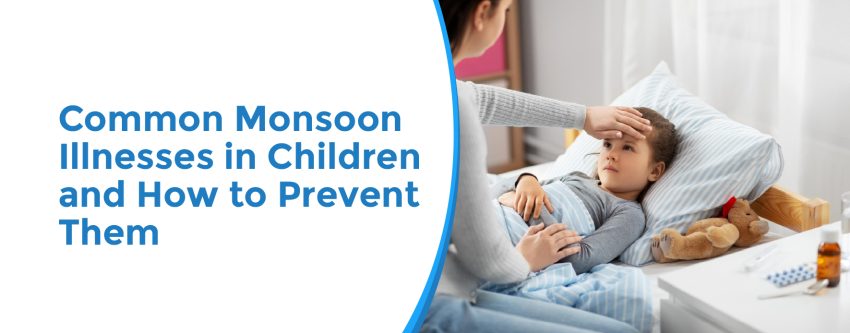
The rainy season brings welcome relief from the summer heat, but it also creates an environment where bacteria, viruses, mosquitoes, and fungi thrive. Children are particularly vulnerable during this time because their immune systems are still developing, and they are more likely to be exposed to contaminated water, unhygienic surroundings, and mosquito bites while playing outdoors. As a result, monsoon often sees a rise in seasonal illnesses that can affect a child’s health and daily routine.
Most infections during the rainy season are mild and manageable with timely care. However, recognising early symptoms and taking preventive measures can help avoid complications. Parents should be aware of the illnesses that commonly affect children during the monsoon and know when medical attention is necessary.
Why Are Children More Prone to Infections During the Rainy Season?
The combination of increased humidity, stagnant water, and fluctuating temperatures creates ideal conditions for germs to multiply. Schools, playgrounds, and crowded indoor spaces also make it easier for infections to spread from one child to another.
Children often have close contact with friends, touch contaminated surfaces, and may not always follow proper hygiene practices. These factors contribute to a higher risk of developing seasonal illnesses.
Common Childhood Infections During Monsoon
Several common diseases become more prevalent during the rainy season. Understanding these conditions helps parents identify symptoms early and seek appropriate care.
1. Viral Fever
Viral infections are among the most frequent illnesses affecting children during the monsoon. They usually spread through respiratory droplets or direct contact with infected individuals.
Symptoms may include:
- Mild to high fever
- Runny nose
- Sore throat
- Body aches
- Fatigue
- Cough
Most viral fevers improve with adequate hydration, rest, and supportive treatment.
2. Dengue
Mosquito breeding increases significantly during the rainy season, leading to a rise in dengue fever cases. This mosquito-borne illness requires prompt medical attention as it may become serious if left untreated.
Parents should watch for symptoms such as persistent fever, headache, pain behind the eyes, muscle aches, skin rash, vomiting, or unusual bleeding. Preventing mosquito bites remains the most effective way to reduce the risk of infection.
3. Gastrointestinal Infections
Contaminated food and water can expose children to bacteria and viruses that cause stomach infections.
Common symptoms include:
- Diarrhoea
- Vomiting
- Abdominal cramps
- Nausea
- Loss of appetite
- Dehydration
Providing clean drinking water and maintaining food hygiene are essential preventive measures.
4. Respiratory Tract Infections
Colds, influenza, sore throat, and bronchitis are common during the rainy season. Children with asthma or allergies may experience worsening symptoms due to increased humidity and airborne allergens.
A healthcare professional should evaluate persistent cough, difficulty breathing, wheezing, or prolonged fever.
5. Ear Infections
Moist weather and frequent exposure to water may increase the risk of ear infections, especially in younger children.
Symptoms include:
- Ear pain
- Irritability
- Difficulty hearing
- Fever
- Fluid discharge from the ear
Early treatment helps prevent complications and relieves discomfort.
6. Skin Infections
Excessive sweating, damp clothing, and prolonged exposure to moisture increase the likelihood of developing a fungal skin infection. Ringworm, athlete’s foot, and other fungal infections are commonly seen during the monsoon.
Keeping the skin clean and dry helps minimise the risk.
7. Conjunctivitis
Eye infections spread quickly among children during the rainy season.
Symptoms include:
- Red eyes
- Watering
- Eye discharge
- Itching
- Swollen eyelids
Children with conjunctivitis should avoid sharing towels and frequent eye contact.
Recognising Early Warning Signs
Parents should closely monitor their child’s health during the rainy months. Some symptoms require immediate medical evaluation.
Important signs of fever that should not be ignored include:
- Fever lasting more than two to three days
- Very high temperature
- Difficulty breathing
- Persistent vomiting
- Severe lethargy
- Refusal to eat or drink
- Convulsions
- Skin rash accompanied by fever
- Reduced urine output
Early intervention can prevent serious complications.
- Preventive Measures for Parents: Simple precautions significantly reduce the risk of seasonal infections.
- Encourage Hand Hygiene: Teach children to wash their hands thoroughly before meals, after using the restroom, and after returning home from school or outdoor activities.
- Drink Safe Water: Ensure children consume filtered or boiled drinking water to prevent waterborne illnesses.
- Eat Fresh, Home-Cooked Food: Freshly prepared meals reduce exposure to harmful bacteria commonly found in improperly stored food.
- Prevent Mosquito Bites: Use mosquito nets, window screens, and child-safe mosquito repellents. Remove stagnant water around the home to eliminate mosquito breeding sites.
- Keep Children Dry: Wet clothes and shoes should be changed immediately after coming indoors. Dry skin thoroughly after bathing or playing in the rain.
- Maintain Personal Hygiene: Regular bathing, clean clothing, trimmed nails, and proper oral hygiene help reduce infection risks.
Importance of Nutrition During Monsoon
Good nutrition strengthens immunity and helps children recover faster from infections.
Parents should include:
- Fresh fruits
- Seasonal vegetables
- Whole grains
- Milk and dairy products
- Eggs
- Lean proteins
- Lentils
- Nuts and seeds
Avoid excessive consumption of street food, sugary beverages, and highly processed snacks during the rainy season.
When Is Diagnostic Testing Needed?
While many viral illnesses resolve on their own, persistent or severe symptoms may require investigations to identify the underlying cause.
Depending on the child’s condition, the paediatrician may recommend a blood test to detect infections, assess blood cell counts, or evaluate inflammatory markers. Appropriate investigations help guide timely and effective treatment.
When Should Parents Seek Medical Care?
Do not delay medical attention if your child has:
- High fever lasting several days
- Difficulty breathing
- Persistent vomiting or diarrhoea
- Poor fluid intake
- Excessive sleepiness
- Severe abdominal pain
- Convulsions
- Bleeding or bruising
- Reduced responsiveness
Prompt treatment improves recovery and minimises complications. It is always advisable to consult a doctor if symptoms worsen or do not improve with supportive care.
Comprehensive Paediatric Care
Children require specialised healthcare that addresses both routine illnesses and complex medical conditions. Access to experienced paediatricians, emergency services, laboratory support, and advanced diagnostics ensures timely management of seasonal infections.
In addition to general paediatric services, many multispecialty centres also offer specialised care such as paediatric cardiology for children with congenital or acquired heart conditions, ensuring comprehensive treatment under one roof.
Why Choose Venkateshwar Hospital?
When it comes to your child’s health, choosing the right healthcare provider is essential. Venkateshwar Hospital offers comprehensive paediatric services supported by experienced specialists, modern diagnostic facilities, advanced emergency care, and child-friendly treatment environments.
Recognised as one of the best hospitals in Delhi, the hospital is committed to delivering compassionate, evidence-based care for children of all ages, ensuring timely diagnosis and effective treatment during every season.
Conclusion
The rainy season brings unique health challenges for children, but many infections can be prevented with good hygiene, proper nutrition, mosquito control, and timely medical attention. Parents should remain alert to early symptoms and avoid ignoring persistent fever, dehydration, breathing difficulties, or unusual behavioural changes.
Simple preventive measures combined with prompt medical care can help children stay healthy throughout the monsoon. Creating healthy daily habits not only reduces the risk of infections but also supports overall growth and development.
Frequently Asked Questions (FAQs)
Why do children fall sick more often during the rainy season?
The rainy season promotes the growth of bacteria, viruses, fungi, and mosquitoes. Increased humidity and waterlogging also make infections spread more easily among children.
Which infections are most common during the monsoon?
Viral fever, dengue, stomach infections, respiratory illnesses, ear infections, skin infections, and conjunctivitis are among the most common illnesses seen during this season.
How can parents protect children from seasonal infections?
Maintaining good hygiene, encouraging regular handwashing, providing safe drinking water, serving nutritious meals, avoiding stagnant water, and protecting children from mosquito bites are effective preventive measures.
What foods should children eat during the rainy season?
A balanced diet including fresh fruits, vegetables, whole grains, lean proteins, yogurt, and plenty of fluids supports overall health and recovery from infections.
When should a child with fever be taken to the hospital?
Medical attention is recommended if the fever is very high, lasts more than two to three days, is associated with breathing difficulty, persistent vomiting, seizures, unusual drowsiness, or dehydration.
Can fungal infections spread from one child to another?
Yes. Some fungal skin infections are contagious and can spread through direct skin contact or by sharing towels, clothing, or personal items.
Is it safe for children to play in the rain?
Occasional play is generally harmless, but children should avoid dirty or stagnant water. Wet clothes should be changed immediately, and they should bathe afterward to reduce the risk of infections.
How often should children wash their hands during monsoon?
Children should wash their hands before eating, after using the restroom, after outdoor play, after coughing or sneezing, and whenever their hands appear dirty.
How can mosquito breeding be prevented at home?
Remove stagnant water from coolers, flower pots, buckets, and containers. Keep water storage tanks covered and maintain clean surroundings to reduce mosquito breeding.
Can seasonal infections be prevented completely?
Although not all infections can be avoided, following proper hygiene, maintaining a nutritious diet, staying hydrated, keeping vaccinations up to date, and seeking timely medical care can significantly reduce the risk.
Written & Verified By:

Dr. Anil Laul (MBBS, MD)
Director Internal Medicine
Meet The Doctor