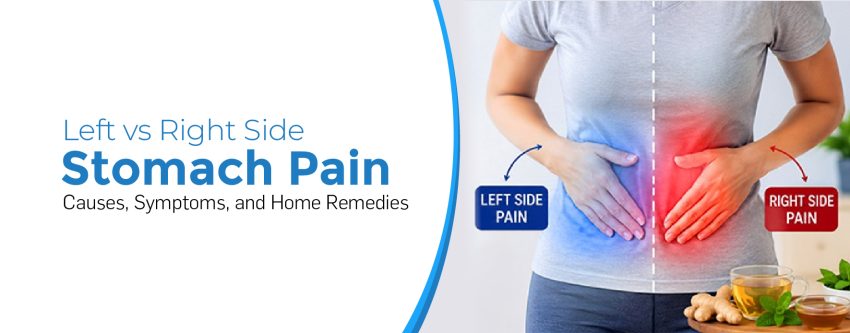
Stomach pain is one of the most frequent medical complaints for people of all ages. Sometimes the discomfort can be mild and temporary, while other times it might indicate a serious medical issue. Knowing if the pain is on the left or right side of the abdomen may help diagnose potential causes and decide when medical help is necessary.
Pain in either side of the abdomen can be caused by issues with the digestive system, kidneys, infections, or internal inflammation. While the symptoms may get better with home care, it is crucial to address any severe or lasting pain immediately.
At Venkateshwar Hospital, experienced gastroenterologists provide advanced diagnostics and treatment for diverse abdominal and digestive problems.
Understanding stomach pain
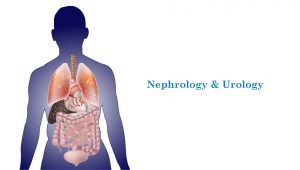
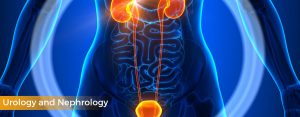
The abdomen contains multiple important organs: the stomach, intestines, liver, pancreas, appendix, kidneys, and reproductive organs. Each organ, depending on its problem, may have a different kind of pain and in a different place.
Some of the most common symptoms related to stomach problems are:
- Cramping or acute pain
- Bloating and gas
- Nausea or vomiting
- Fever
- Constipation or diarrhea
- Lack of appetite
- Pain while urinating
- Stomach pain post-meal
Recognising stomach pain symptoms at the earliest stage can help prevent aggravation of underlying complications.
Causes of Left Side Abdominal Pain
1. Gas and Indigestion
Most frequently, gas trapped within the intestines or indigestion is one of the prime reasons behind left-sided abdominal pain. Consuming spicy, oily, or heavy foods may result in bloating and distress, especially post-meals.
Symptoms
- Bloating
- Burping
- Mild cramps
- Post-meal stomach pain
Home Remedies
- Drink warm water
- Avoid overeating
- Chew food slowly
- Consume light foods
2. Constipation
Constipation may lead to discomfort and pain in the lower left abdomen owing to the accumulation of stools in the colon.
Symptoms
- Difficulty passing stools
- Hard stools
- Bloating in the abdomen
- Cramps
Home Remedies
- Increase fiber consumption
- Drink plenty of water
- Regularly exercise
- Consume fruits and vegetables
3. Kidney Stones
The formation of kidney stones could potentially lead to unbearable pain on the left or right side of the abdomen.
Symptoms of Kidney Stones
- Sharp side or back pain
- Burning sensation during urination
- Blood in urine
- Nausea
- Fever in chronic cases
If symptoms persist or get worse, seeking medical help is a must. Sometimes, advanced kidney disease treatment might be essential for complicated cases.
4. Diverticulitis
Inflammation and infection of small pouches located in the colon lead to this condition. It is one of the commonly seen causes of pain in the lower left region in old age.
Symptoms
- Fever
- Constipation
- Nausea
- Constant stomach-ache
Treatment
Rest and antibiotics are used in mild cases, while serious infections might need hospitalisation.
5. Pancreatitis
Severe upper left abdominal pain that may spread to the back arises due to the inflammation of the pancreas.
Symptoms
- Vomiting
- Fever
- Pain after eating fatty food
- Swollen abdomen
Pancreatitis requires urgent assessment from specialists.
Causes of Right-Side Abdominal Pain
Appendicitis
A primary cause of pain on the right side of the stomach, appendicitis inflammation can rupture if not timely treated.
Symptoms of Appendicitis
- Abrupt, intense pain in the lower right abdomen
- Fever
- Nausea
- Vomiting
- Loss of appetite
Symptoms of appendicitis demand immediate medical attention.
Gallstones
These are formations in the gallbladder and often manifest as pain in the upper right part of the stomach, especially after consuming oily and fatty foods.
Symptoms
- Sharp pain after meals
- Nausea
- Indigestion
- Fever in case of infection
Gallbladder-related issues can become a common cause of pain after eating.
Liver Problems
Hepatitis (inflammation/infection of the liver) can lead to discomfort on the right-hand side.
Symptoms
- Jaundice of the skin
- Fatigue
- Dark coloured urine
- Swollen abdomen
An early diagnosis can help prevent further complications.
Kidney Infection or Stones
Problems in the right kidney also led to severe right-sided abdominal pain, just as in the case of the left kidney.
Symptoms
- Fever
- Pain while passing urine
- Back pain
- Blood in urine
Kidney-related issues require immediate medical treatment to prevent kidney damage.
Irritable Bowel Syndrome (IBS)
It is one of the commonly diagnosed gastrointestinal problems leading to recurring abdominal pain.
Symptoms
- Bloating
- Gas
- Constipation/Diarrhoea
- Abdominal cramps
Stress, an improper diet, and a lack of adequate sleep are factors that can worsen the symptoms of IBS.
Common Symptoms That Should Not Be Ignored
Some abdominal symptoms are highly indicative of underlying serious diseases. Medical intervention is critical if you suffer from the following:
- Severe and acute abdominal pain
- Continual vomiting
- Blood in urine or stools
- High fever
- Difficulty in breathing
- Fainting
- Unexplained weight loss
Treating such warnings can help you avoid severe complications.
Home Remedies for Mild Stomach Pain
Milder forms of stomach discomfort can frequently be addressed by introducing a few dietary and lifestyle adjustments.
Hydration
Sufficient water intake throughout the day enhances digestion and helps prevent constipation.
Diet Adjustment
Cut out fatty, oily, and spicy food. Include:
- Fresh fruits
- Vegetables
- Whole grains
- Yogurt
- Soups
The use of healthy eating habits alleviates stomach problems.
Warm Compress Application
A heating pad or warm cloth applied to the abdomen may relax the muscles and ease pain.
Avoid Heavy Meals
Small, frequent meals lessen the strain on the digestive system and prevent post-meal stomach pain.
Stress Management
Anxiety or stress could potentially worsen gastrointestinal issues. Meditative practices, Yoga, regular exercise, and meditation are helpful in the long run.
Herbal Remedies
Several natural herbs may alleviate mild stomach aches and indigestion:
- Ginger tea
- Peppermint tea
- Fennel seeds
- Chamomile tea
Persistent pain should, however, always be medically managed.
When to Consult a Doctor
While minor occasional stomach upset may seem normal, continuing stomach aches must be properly addressed. Consult a doctor if:
- The pain continues for over 24-48 hours.
- Symptoms are progressively worsening.
- Fever or vomiting is encountered.
- You notice blood in your urine or stools.
- Pain makes everyday activities difficult.
Experienced specialists will correctly determine the exact cause using physical examination, blood tests, ultrasounds, CT scans, or an endoscopy.
Venkateshwar Hospital offers advanced medical treatments for abdominal problems, appendicitis, kidney disorders, gallbladder diseases, and chronic digestive tract discomfort.
Diagnosis of Stomach Pain
A physician might ask you to undergo various diagnostic tests based on your symptoms.
- Blood tests
- Urine examination
- Ultrasound scan
- CT scan
- MRI scan
- Endoscopy
- Colonoscopy
The exact diagnosis is vital to decide if the issue stems from digestion, infection, kidneys, liver, or intestines.
Preventing Abdominal Pain
The adoption of several simple changes in lifestyle can significantly curb the occurrence of numerous digestive and abdominal diseases.
Prevention Tips
- Healthy meals
- Adequate water intake
- Regular physical activity
- No smoking or drinking alcohol
- Maintaining a normal weight
- Avoiding fast food
- Regular check-ups with a doctor
Preventive medicine can be instrumental for the long-term well-being of the digestive tract.
Conclusion
Both right-sided and left-sided stomach pain might arise for diverse reasons, starting from indigestion, constipation, kidney stones, and ending with appendicitis. While mild pain may be soothed with home remedies, severe abdominal discomfort should be promptly addressed medically.
It is important to note down symptoms, recognize red flags, and possible causes to ensure that timely medical care is administered, thereby helping you prevent serious complications. Persistent stomach pain post-meals, severe right-sided pain, or even low left-sided stomach pain can be effectively treated by expert gastroenterologists.
Venkateshwar Hospital has well-equipped diagnostic facilities and expert specialists for individual care in all kinds of digestive and abdominal disorders.
FAQs
Causes of left-sided abdominal pain?
Left side abdominal pain may be caused by gas, constipation, a kidney stone, Diverticulitis, Pancreatitis, or digestive infections.
Symptoms of appendicitis?
Common symptoms include extreme lower right side abdominal pain, fever, vomiting, loss of appetite, or nausea.
Why does stomach pain occur after eating food?
Stomach pain can occur after eating due to indigestion, ulcers, stones in the gall bladder, acid reflux, or food intolerance, or by consuming large amounts of food at one time.
Symptoms of stones in the kidneys?
Sharp pain in the sides, pain while urinating, blood in urine, vomiting, or fever are some common symptoms that indicate a kidney stone.
When should I seek medical attention for stomach pain?
You must seek medical help if the pain in the abdomen is severe, persistent, and accompanied by fever, vomiting, blood in the stools, or problems with eating.
Can I get rid of stomach pain with home remedies?
Mild digestive discomfort can be overcome with ample rest, fluid, a nutritious light diet, and a few home remedies.
Which specialist should I consult for stomach problems?
For symptoms like digestive disorders, acidity, stones, or ulcers, always consult specialised gastroenterologists.
Why is it advised to approach Venkateshwar Hospital for treatment of stomach pain?
Venkateshwar Hospital has all the best facilities for modern-day diagnosis and treatment of varied digestive and abdominal disorders. It offers individual treatment for medical conditions like kidney stones, ulcers, and appendicitis, with qualified and experienced gastroenterologists, modern diagnosis facilities, emergency and care services for different stomach issues, and personalised plans.
Written & Verified By:
 Dr. Rohit Goyal (MBBS, MD, DM)
Director Gastroenterology & Hepatology
Meet The Doctor