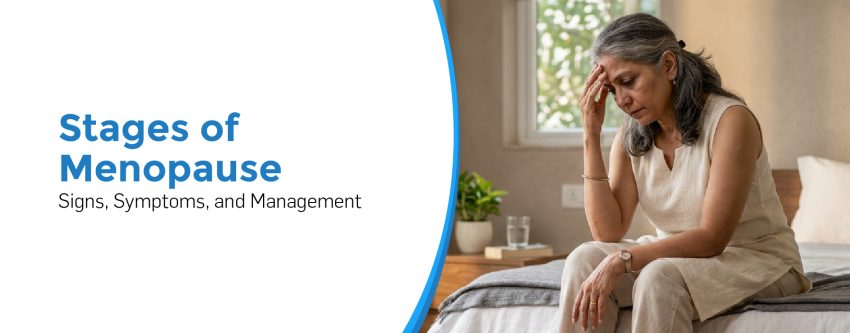
Menopause is a natural biological process that marks the end of a woman’s menstrual cycle and reproductive years. Although it is a normal part of ageing, the hormonal changes associated with menopause can bring physical, emotional, and psychological changes that vary from woman to woman. Understanding the different stages of menopause and recognising early symptoms can help women manage this phase with confidence and maintain a healthy quality of life.
In this blog, we discuss the stages of menopause, common symptoms, possible health effects, and practical ways to manage this important life transition.
What Is Menopause?
Menopause is diagnosed when a woman has not had a menstrual period for 12 consecutive months without any other medical cause. It occurs because the ovaries gradually produce less estrogenic and progesterone, the hormones responsible for regulating the menstrual cycle.
While menopause is a natural process, the transition often begins several years before menstrual periods stop completely.
What Is the Typical Menopause Age?
The average menopause age is between 45 and 55 years, with most women reaching menopause around the age of 51. However, some women may experience it earlier or later due to genetics, certain medical treatments, lifestyle factors, or underlying health conditions.
The Three Stages of Menopause
- Perimenopause
Perimenopause is the transitional phase before menopause and can last anywhere from a few months to several years.
During this stage, hormone levels begin to fluctuate, causing irregular menstrual cycles and the first noticeable changes in the body.
Common symptoms include:
- Irregular periods
- Hot flashes
- Night sweats
- Mood swings
- Sleep disturbances
- Breast tenderness
- Reduced fertility
Although pregnancy becomes less likely, contraception is still recommended until menopause is confirmed.
- Menopause
Menopause officially occurs after 12 consecutive months without a menstrual period.
At this stage, estrogenic production declines significantly, and many women experience more noticeable hormonal changes.
Common menopause signs include:
- Permanent cessation of menstrual periods
- Vaginal dryness
- Hot flashes
- Reduced libido
- Difficulty sleeping
- Mood changes
- Weight gain
The intensity of symptoms varies from person to person.
- Post menopause
Post menopause begins after menopause and continues for the rest of a woman’s life.
Many symptoms gradually improve over time, but lower estrogen levels increase the risk of several health conditions, including:
- Osteoporosis
- Heart disease
- Urinary tract infections
- Vaginal dryness
- Reduced bone density
Regular health check-ups become increasingly important during this stage.
Common Menopause Symptoms
Every woman experiences menopause differently. Some may have only mild discomfort, while others experience more significant changes.
The most common menopause symptoms include:
- Hot flashes
- Night sweats
- Irregular periods
- Sleep problems
- Mood swings
- Anxiety
- Irritability
- Memory difficulties
- Vaginal dryness
- Fatigue
- Joint pain
- Weight gain
- Hair thinning
- Reduced sexual desire
Not all women experience every symptom, and their duration may vary.
What Is Menopausal Syndrome?
Menopausal syndrome refers to the collection of physical, emotional, and hormonal symptoms experienced during the menopausal transition. These symptoms result primarily from declining estrogenic levels and can affect overall well-being, work performance, sleep quality, and relationships.
Early recognition and appropriate management can greatly improve quality of life.
Menopause Side Effects on Overall Health
Beyond the immediate symptoms, hormonal changes may have long-term effects on the body.
Some important menopause side effects include:
- Bone Health: Reduced estrogen accelerates bone loss, increasing the risk of osteoporosis and fractures.
- Heart Health: Hormonal changes may increase cholesterol levels and the risk of cardiovascular disease.
- Emotional Well-being: Women may experience anxiety, depression, or mood fluctuations during the menopausal transition.
- Metabolic Changes: A slower metabolism may contribute to weight gain, especially around the abdomen.
- Sexual Health: Vaginal dryness and reduced lubrication may cause discomfort during intercourse.
How Is Menopause Diagnosed?
Doctors usually diagnose menopause based on:
- Medical history
- Menstrual history
- Age
- Physical examination
- Blood tests (if required)
- Hormone level assessment
Testing is generally recommended if menopause occurs earlier than expected or symptoms are unusual.
Managing Menopause Effectively
Although menopause cannot be prevented, its symptoms can be managed successfully through healthy lifestyle choices and medical care.
- Eat a Balanced Diet
Choose foods rich in:
- Calcium
- Vitamin D
- Protein
- Fruits
- Vegetables
- Whole grains
A nutritious diet supports bone health and overall wellness.
- Exercise Regularly
Regular physical activity helps:
- Maintain a healthy weight
- Strengthen bones
- Improve mood
- Reduce stress
- Improve sleep
Walking, yoga, strength training, and swimming are excellent options.
- Improve Sleep Habits
To promote better sleep:
- Maintain a consistent bedtime.
- Keep your bedroom cool.
- Limit caffeine before bedtime.
- Avoid excessive screen time at night.
- Manage Stress
Stress reduction techniques include:
- Meditation
- Deep breathing exercises
- Yoga
- Mindfulness
- Spending time outdoors
These practices can improve emotional well-being and reduce anxiety.
- Stay Hydrated
Drinking enough water helps reduce dryness and supports overall body functions.
- Discuss Treatment Options
Depending on symptom severity, doctors may recommend:
- Hormone Replacement Therapy (HRT)
- Non-hormonal medications
- Vaginal moisturisers
- Lifestyle modifications
- menopause symptoms supplements, when appropriate and recommended by a healthcare professional
Women should always consult a qualified doctor before starting any supplements or medications.
When Should You Consult a Gynaecologist?
You should seek medical advice if you experience:
- Heavy or prolonged bleeding
- Bleeding after menopause
- Severe hot flashes
- Vaginal dryness
- Recurrent UTI
- Persistent sleep disturbances
- Mood changes affecting daily life
- Pain during intercourse
- Early menopause before age 40
Timely consultation ensures appropriate evaluation and treatment.
Why Choose Venkateshwar Hospitals?
At Venkateshwar Hospitals, women receive comprehensive gynaecological care tailored to every stage of life. From menopause counselling and hormone evaluation to preventive health screenings and personalised treatment plans, our experienced specialists focus on improving women’s health and overall quality of life. If you are looking for the best gynaecologist in Dwarka, our team provides compassionate, evidence-based care in a comfortable and supportive environment.
Conclusion
Menopause is a natural milestone that marks a new chapter in a woman’s life. While hormonal changes can bring various physical and emotional challenges, understanding the stages of menopause and adopting healthy lifestyle habits can make the transition smoother. Regular medical check-ups, balanced nutrition, physical activity, stress management, and timely treatment can help women maintain good health and continue living active, fulfilling lives.
Frequently Asked Questions (FAQs)
What is menopause?
Menopause is the permanent end of menstrual periods, confirmed after 12 consecutive months without menstruation.
At what age does menopause usually occur?
Most women experience menopause between the ages of 45 and 55, with the average age being around 51 years.
What are the first signs of menopause?
Irregular periods, hot flashes, night sweats, mood swings, and sleep disturbances are often the earliest signs.
How long does perimenopause last?
Perimenopause may last anywhere from a few months to 8–10 years, depending on the individual.
Can menopause cause weight gain?
Yes. Hormonal changes and a slower metabolism may contribute to weight gain, especially around the abdomen.
Is menopause a disease?
No. Menopause is a natural biological process, not a disease.
Can exercise help manage menopause symptoms?
Yes. Regular exercise improves mood, sleep, bone health, and overall well-being while reducing stress and fatigue.
Are hormone replacement therapies safe?
Hormone therapy is beneficial for many women but should only be used under medical supervision after assessing individual risks and benefits.
When should I see a doctor during menopause?
Consult a healthcare provider if symptoms include bleeding that occurs after menopause, or you experience early menopause before the age of 40.
Can a healthy lifestyle make menopause easier?
Yes. A balanced diet, regular exercise, stress management, good sleep, and routine health check-ups can significantly improve comfort and long-term health during menopause.
Written & Verified By:

Dr. Sumana Banerjee MBBS, DNB (Obstetrics & Gynaecology), MNAMS
Associate Director Obstetrics & Gynaecology
Meet The Doctor