Frozen shoulder, medically known as adhesive capsulitis, is a painful and restrictive condition that affects the shoulder joint, leading to stiffness and reduced mobility. Frozen shoulder is not life-threatening but can disrupt normal life as it can severely impact daily activities like dressing, reaching overhead or even sleeping comfortably.
What is Frozen Shoulder?
Frozen shoulder occurs when the capsule surrounding the shoulder joint becomes inflamed, thickened, and tight. This leads to reduced joint space and restricted movement, making it difficult to perform even simple tasks.
The condition usually develops gradually and progresses through different frozen shoulder stages, each with its own symptoms and challenges
What causes Frozen Shoulder?
Let’s look at what causes this disease. Unfortunately, the exact cause of frozen shoulder is not always clear.
- Prolonged immobility due to injury, fracture, or surgery
- Diabetes (one of the most common contributing factors)
- Thyroid disorders
- Cardiovascular diseases
- Age between 40 and 60 years
- Previous shoulder injuries
Lack of movement in the shoulder joint is the biggest triggers. That’s why doctors always recommend gentle movement after shoulder injuries.
The different stages of Frozen Shoulder
- Freezing Stage
Pain gradually increases and shoulder movement becomes difficult. This pain can last for six weeks to nine months.
- Frozen Stage
The pain eases up a bit, but stiffness gets severe. It’s hard to do daily activities—this is when the term “locked shoulder” really fits. This phase usually lasts 4-12 months.
- Thawing Stage
Shoulder movement slowly improves and pain eases, flexibility returns. Recovery may take six months to two years to really get back to normal.
Symptoms of Frozen Shoulder
Common symptoms of Frozen Shoulder include:
- Persistent shoulder joint pain
- Stiffness in the shoulder joint
- Limited range of motion
- Pain that worsens at night
- Difficulty lifting the arm or rotating the shoulder
If left untreated, these symptoms can worsen over time and lead to prolonged discomfort.
Diagnosis of Frozen Shoulder
At Venkateshwar Hospital, diagnosis involves:
- Detailed medical history
- Physical examination to assess movement
- Imaging tests like X-rays or MRI (if needed)
Accurate diagnosis helps determine the most effective shoulder freeze treatment plan.
Shoulder Freeze Treatment Options
Treatments for frozen shoulder focus on reducing pain and improving mobility and can take time. Some of them include:
- Medication
- Nonsteroidal anti-inflammatory drugs (NSAIDs)
- Pain relievers
- Corticosteroid injections for severe inflammation
These medications help manage symptoms, especially during the early stages.
- Physiotherapy and Exercise
One of the most effective ways to treat frozen shoulder is through frozen shoulder physical exercise. Regular exercises improve flexibility and restore movement in the shoulder joint.
- Pendulum swings
- Wall climbing exercise
- Towel stretches
- Cross-body arm stretches
- Heat and Cold Therapy
- Heat therapy helps relax muscles and improve blood flow
- Cold therapy reduces swelling and inflammation
These therapies can be used at home as part of daily care.
- Advanced Treatments
In cases where conservative treatments do not work, advanced procedures may be recommended at Venkateshwar Hospital:
- Hydrodilatation (fluid injection to stretch the joint capsule)
- Manipulation under anesthesia
- Arthroscopic surgery
These treatments help release stiffness and restore mobility in severe cases of locked shoulder.
Cure for Frozen Shoulder
Many patients ask if there is a complete cure for frozen shoulder. The answer is yes—most people recover fully with the right treatment and patience.
However, recovery takes time and depends on:
- Early diagnosis
- Consistent physiotherapy
- Adherence to medical advice
- Overall health condition
While some cases resolve naturally over time, proper treatment significantly speeds up recovery and reduces discomfort.
Exercise, hands down, is the key. Patients who stick with it recover faster, with fewer relapses. It keeps you flexible, boosts circulation, and restores your range of motion.
Frozen Shoulder Physical Exercise: Key to Recovery
Regular frozen shoulder physical exercise is essential for regaining mobility. These exercises should be performed gently and gradually increased in intensity.
Benefits of Exercise:
- Improves flexibility
- Reduces stiffness
- Enhances blood circulation
- Restores range of motion
Tips to Prevent Frozen Shoulder
Although not all cases can be prevented, these steps can reduce the risk:
- Avoid keeping the shoulder immobile for long periods
- Start gentle movement after injury or surgery
- Maintain good posture
- Exercise regularly
- Manage underlying conditions like diabetes
Taking care of your shoulder joint health can prevent long-term complications.
When to See a doctor
You should seek medical help if:
- Shoulder joint pain persists for several weeks
- Movement becomes increasingly restricted
- Pain interferes with sleep or daily activities
- Home remedies are not effective
Early intervention can prevent the condition from progressing to a severe locked shoulder stage.
Why Choose Venkateshwar Hospital?
Venkateshwar Hospital is a trusted name for advanced orthopaedic care. Patients with frozen shoulder receive comprehensive treatment, including:
- Expert orthopaedic specialists
- Advanced diagnostic tools
- Personalized treatment plans
- Dedicated physiotherapy and rehabilitation programs
The hospital focuses on holistic care, ensuring faster recovery and long-term relief from shoulder joint pain.
Conclusion
Frozen shoulder, or locked shoulder, is a common yet treatable condition that affects the shoulder joint. Understanding the reason for frozen shoulder, recognizing the frozen shoulder stages, and following the right shoulder freeze treatment can make a significant difference in recovery.
With a combination of medicine for frozen shoulder, consistent frozen shoulder physical exercise, and expert care at Venkateshwar Hospital, patients can achieve a complete cure for frozen shoulder and return to normal activities.
If you are experiencing persistent shoulder joint pain, don’t ignore it. Early diagnosis and timely treatment are the keys to a pain-free and active life.
Frequently Asked Questions (FAQs)
What is the main reason for frozen shoulder?
The primary reason for frozen shoulder is prolonged immobility of the shoulder joint, often due to injury, surgery, or underlying conditions like diabetes.
What are the frozen shoulder stages?
The three frozen shoulder stages are freezing (painful stage), frozen (stiff stage), and thawing (recovery stage).
How can I get a cure for frozen shoulder?
A complete cure for frozen shoulder is possible with proper treatment, including physiotherapy, medications, and regular exercises.
What is the best shoulder freeze treatment?
The best shoulder freeze treatment includes a combination of medicine for frozen shoulder, physiotherapy, and lifestyle changes.
Which exercises are helpful for frozen shoulder?
Frozen shoulder physical exercise such as pendulum stretches, wall climbing, and towel stretches are highly effective in improving mobility.
How long does frozen shoulder take to heal?
Recovery can take anywhere from several months to up to 2 years, depending on the severity and treatment approach.
When should I see a doctor for shoulder joint pain?
You should consult a doctor if shoulder joint pain persists, worsens, or limits your daily activities.
Can frozen shoulder come back again?
In most cases, frozen shoulder does not recur in the same shoulder, but it may occur in the other shoulder in some individuals.
Is medicine for frozen shoulder enough for treatment?
Medicine for frozen shoulder helps reduce pain, but physiotherapy and exercises are essential for full recovery.
Where can I get the best treatment for frozen shoulder?
You can get advanced care and expert treatment for locked shoulder at Venkateshwar Hospital, ensuring effective recovery and long-term relief.
Written & Verified By:
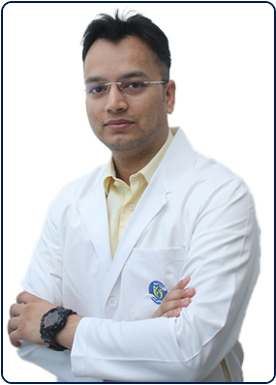
Dr. Rishav Krishna (MBBS, MS)
Consultant Joint Replacement, Robotics & Orthopedics
Meet The Doctor