Diabetes is a chronic condition that affects how the body regulates blood glucose levels. While managing blood sugar is essential, diabetes can also affect other organs, particularly the heart and blood vessels. People living with diabetes have a higher risk of developing cardiovascular problems, including heart attacks, heart failure, and stroke.
Understanding the relationship between Diabetes and heart disease is important because cardiovascular complications may develop gradually, sometimes without noticeable warning signs. Maintaining healthy blood sugar levels, controlling blood pressure and cholesterol, following a balanced diet, and staying physically active can help reduce these risks.
This blog explores the relationship between diabetes and cardiovascular health, common warning signs, major risk factors, diagnosis, treatment approaches, and practical steps to protect your heart.
What Is the Connection Between Diabetes and Heart Disease?
Diabetes occurs when the body cannot produce enough insulin or use it effectively, resulting in elevated blood glucose levels. Over time, persistently high blood sugar can damage blood vessels and affect the nerves that help regulate heart function.
The Diabetes and heart disease connection involves several interacting factors, including inflammation, damage to blood vessel walls, abnormal cholesterol levels, and high blood pressure.
People with type 1 or type 2 diabetes may have an increased risk of developing:
- Coronary artery disease: Narrowing of the arteries that supply blood to the heart.
- Heart attack: Occurs when blood flow to part of the heart muscle becomes severely restricted or blocked.
- Heart failure: A condition in which the heart cannot pump blood effectively enough to meet the body’s needs.
- Stroke: Occurs when blood flow to part of the brain is interrupted or a blood vessel ruptures.
- Peripheral artery disease: Reduced blood flow to the limbs due to narrowed arteries.
The risk is often higher when diabetes occurs alongside high blood pressure, unhealthy cholesterol levels, smoking, obesity, or kidney disease.
How Does Diabetes Affect the Heart?
Understanding how diabetes affects the heart can help people recognise why consistent diabetes management is important for long-term cardiovascular health.
- Damage to Blood Vessels
High blood glucose levels over time can damage the inner lining of blood vessels. This damage can contribute to inflammation and the development of fatty deposits in the arteries, restricting blood flow to vital organs.
- Increased Plaque Formation
Diabetes is frequently associated with abnormal lipid levels, including elevated triglycerides and reduced HDL (good) cholesterol. These changes can contribute to the buildup of plaque inside arteries.
When plaque narrows the coronary arteries, the heart muscle may receive insufficient oxygen, particularly during physical activity.
- Increased Blood Pressure
Diabetes and high blood pressure often occur together. Persistently elevated blood pressure places additional strain on the heart and can damage blood vessels over time.
The condition commonly referred to as high blood pressure disease can increase the likelihood of heart attacks, strokes, kidney problems, and heart failure when left uncontrolled.
- Damage to the Heart Muscle
Diabetes may contribute to changes in the structure and function of the heart muscle, sometimes leading to diabetic cardiomyopathy. This can impair the heart’s ability to relax or pump efficiently.
- Reduced Awareness of Heart Symptoms
Diabetes can damage nerves, including those involved in pain perception. In some people, this may reduce the typical chest pain associated with a heart attack.
As a result, a heart attack may present with breathlessness, unusual fatigue, nausea, or discomfort in the back, jaw, or arm rather than obvious chest pain.
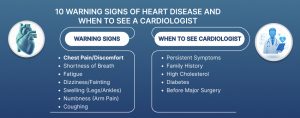
Common Warning Signs of Heart Disease in People with Diabetes
Recognising Diabetes heart disease symptoms early is essential because some cardiovascular complications can progress without obvious symptoms.
Watch for the following warning signs:
- Chest discomfort: Pressure, tightness, heaviness, or pain in the chest.
- Shortness of breath: Difficulty breathing during routine activities or while resting.
- Unusual fatigue: Persistent tiredness that is disproportionate to physical activity.
- Pain or discomfort elsewhere: Symptoms may occur in the arms, shoulders, back, neck, jaw, or upper abdomen.
- Dizziness or light-headedness: Particularly when accompanied by weakness, sweating, or breathlessness.
- Swelling in the legs or ankles: May indicate fluid buildup associated with heart failure.
- Nausea or cold sweats: Can occur during a heart attack, sometimes without prominent chest pain.
- Reduced exercise tolerance: Finding ordinary activities increasingly difficult may warrant medical evaluation.
Some people have silent or minimally symptomatic cardiovascular disease. Therefore, routine medical assessments are important even when you feel well.
Emergency warning: If you experience new or severe chest discomfort, sudden breathlessness, cold sweats, fainting, or other symptoms suggestive of a heart attack, seek emergency medical care immediately. Do not wait for symptoms to resolve on their own.
Why Does Diabetes Increase the Risk of a Heart Attack?
The risk of a heart attack increases when the arteries supplying blood to the heart become narrowed or blocked. Diabetes can accelerate this process, particularly when blood glucose, blood pressure, and cholesterol remain uncontrolled.
Diabetes and heart attack risk may be influenced by several factors:
- Long-term elevation of blood glucose.
- High LDL (bad) cholesterol and triglycerides.
- Uncontrolled blood pressure.
- Smoking or tobacco use.
- Excess body weight and physical inactivity.
- Chronic kidney disease.
- A family history of premature cardiovascular disease.
People with diabetes may develop more extensive blood vessel disease and may experience less typical heart attack symptoms. However, having diabetes does not mean a heart attack is inevitable. Managing these risk factors can significantly improve cardiovascular health.
How Is Heart Disease Diagnosed in People with Diabetes?
Doctors assess cardiovascular risk by considering medical history, symptoms, physical examination findings, and relevant test results. The investigations recommended depend on the individual’s risk factors and clinical presentation.
- Blood Pressure Measurement
Regular blood pressure monitoring helps identify hypertension, which increases the workload on the heart and contributes to cardiovascular complications.
- Blood Tests
Blood tests may include:
- HbA1c: Estimates average blood glucose over approximately two to three months.
- Lipid profile: Measures cholesterol and triglycerides.
- Kidney function tests: Assess kidney health, which is closely linked to cardiovascular risk.
- Electrocardiogram (ECG)
An ECG records the electrical activity of the heart. It can help identify certain rhythm abnormalities and signs of a previous or ongoing heart attack.
- Echocardiography
An echocardiogram uses ultrasound to assess the heart’s structure, pumping function, and valve function. It may be recommended when symptoms or examination findings suggest heart failure or other structural problems.
- Stress Testing and Coronary Imaging
Depending on the symptoms and clinical assessment, a doctor may recommend stress testing, coronary CT angiography, or invasive coronary angiography.
These tests are not necessary for everyone with diabetes. Routine screening for coronary artery disease in people without symptoms is not universally recommended; investigations should be guided by individual clinical needs.
Treatment Options for Diabetes and Heart Disease
Treatment focuses on controlling blood glucose, reducing cardiovascular risk, and managing any existing heart condition. The plan depends on the type of diabetes, the severity of cardiovascular disease, kidney function, and other medical factors.
- Blood Sugar Management
A healthcare professional may recommend dietary changes, physical activity, glucose monitoring, and medications such as insulin or other glucose-lowering medicines.
Some medicines, including selected SGLT2 inhibitors and GLP-1 receptor agonists, can provide cardiovascular or kidney benefits for eligible people with type 2 diabetes. The appropriate medicine depends on individual health needs.
- Blood Pressure Control
Lifestyle changes and prescribed medications can help manage blood pressure. ACE inhibitors, ARBs, and other medicines may be recommended depending on blood pressure readings, kidney health, and coexisting conditions.
- Cholesterol Management
Statins are commonly prescribed to people with diabetes who meet cardiovascular risk-based treatment criteria. They help lower LDL cholesterol and reduce the risk of heart attacks and strokes.
- Treatment for Coronary Artery Disease
Treatment for coronary artery disease may include medication, lifestyle changes, and procedures such as angioplasty with stent placement or coronary artery bypass grafting when clinically indicated.
The choice depends on the extent of arterial narrowing, symptoms, heart function, and overall health.
- Heart Failure Management
People with diabetes who develop heart failure may benefit from specific medications, fluid management, and regular monitoring. Some glucose-lowering medicines also have an important role in treating heart failure in eligible patients.
- Cardiac Rehabilitation
For suitable patients recovering from a heart attack or undergoing certain heart procedures, cardiac rehabilitation can support recovery through supervised exercise, education, nutrition guidance, and risk-factor management.
If you need specialised Heart disease treatment in Delhi, choose a cardiac care team that can coordinate cardiovascular evaluation, diabetes management, and follow-up care.
Prevention Tips: How to Protect Your Heart When You Have Diabetes
Preventing cardiovascular complications involves managing multiple risk factors together rather than focusing on blood sugar alone.
- Follow a Heart-Healthy Diet
Practising healthy eating for heart health involves choosing nutritious foods and limiting ingredients that can worsen cardiovascular risk.
- Include vegetables, fruits, whole grains, beans, and lentils.
- Choose healthy fats from nuts, seeds, and suitable vegetable oils.
- Prefer lean protein sources, including fish, pulses, and other appropriate options.
- Reduce excess salt, sugary drinks, refined carbohydrates, and highly processed foods.
- Limit foods high in saturated and trans fats.
- Choose appropriate portion sizes and distribute carbohydrate intake according to your nutritional needs.
People with diabetes and kidney disease may require individualised dietary advice.
- Stay Physically Active
Aim for at least 150 minutes of moderate-intensity aerobic activity each week, if appropriate for your health. Walking, cycling, and swimming are possible options.
People with existing heart disease, significant complications, or exercise-related symptoms should consult their doctor before starting a new exercise programme.
- Monitor Blood Sugar, Blood Pressure, and Cholesterol
Attend regular medical appointments and follow the monitoring schedule recommended by your healthcare professional. Treatment targets should be personalised according to age, medical history, and risk of complications.
- Stop Smoking
Smoking damages blood vessels and increases the risk of cardiovascular disease. Quitting tobacco can improve heart health, and counselling or suitable cessation treatments may help.
- Maintain a Healthy Weight
If you have excess body weight, gradual weight management may improve blood glucose control, blood pressure, and cholesterol levels.
- Get Adequate Sleep and Manage Stress
Poor sleep and ongoing stress can affect daily habits and metabolic health. Establish a consistent sleep routine and use suitable stress-management strategies.
- Take Prescribed Medication Consistently
Do not stop diabetes, blood pressure, or cholesterol medication without medical advice. Ask your doctor about the benefits, possible side effects, and correct use of each medicine.
- Attend Regular Health Check-Ups
Routine assessments can identify changes in cardiovascular risk before symptoms develop. Your doctor may recommend monitoring blood glucose, kidney function, cholesterol, blood pressure, and other indicators according to your individual risk profile.
When Should You Consult a Cardiologist or Diabetes Specialist?
People living with diabetes should seek medical advice if they experience unexplained breathlessness, unusual fatigue, chest discomfort, reduced exercise tolerance, or swelling in the legs. Regular preventive consultations are also important for people with multiple cardiovascular risk factors.
When looking for the Best diabetes doctor in Dwarka, Delhi, consider the doctor’s experience in diabetes management, ability to individualise treatment, and approach to preventing complications.
Similarly, when choosing the Best cardiologist in Dwarka, Delhi, look for appropriate qualifications, experience in cardiovascular care, access to relevant diagnostic facilities, and coordinated follow-up.
If you are comparing options for the Best heart hospital in Delhi, consider the availability of cardiac emergency services, diagnostic testing, interventional cardiology, and rehabilitation where required.
A coordinated approach between diabetes and heart specialists can help ensure that blood glucose, blood pressure, cholesterol, and existing cardiovascular conditions are managed together.
Conclusion
Diabetes can increase the risk of heart disease by damaging blood vessels, contributing to plaque buildup, and increasing the likelihood of high blood pressure and abnormal cholesterol levels. Cardiovascular complications may develop gradually, and some people experience few or no obvious symptoms.
The good news is that many risk factors can be managed. Regular health assessments, appropriate medication, a balanced diet, physical activity, smoking cessation, and consistent diabetes care can help protect your cardiovascular health.
If you have diabetes, do not wait for symptoms to appear before discussing your heart health with a healthcare professional. Early assessment and personalised preventive care can make an important difference to your long-term well-being.
Frequently Asked Questions (FAQs)
Q: Can diabetes cause heart disease?
Yes. Persistently elevated blood glucose can damage blood vessels and contribute to inflammation and plaque buildup. Diabetes is also commonly associated with high blood pressure and abnormal cholesterol levels, which further increase cardiovascular risk.
Q: Can someone with diabetes have a heart attack without chest pain?
Yes. Some people with diabetes experience less typical heart attack symptoms because nerve damage may affect pain perception. Breathlessness, unusual fatigue, nausea, sweating, or discomfort in the jaw, back, or arm may occur instead. Seek emergency care if a heart attack is suspected.
Q: How often should people with diabetes get their heart checked?
The frequency depends on age, diabetes duration, blood pressure, cholesterol, kidney function, symptoms, and medical history. Regular preventive appointments are important, but additional cardiac testing should be guided by clinical assessment.
Q: Can controlling blood sugar prevent heart disease?
Good blood glucose management can reduce diabetes-related complications. However, heart protection also requires attention to blood pressure, cholesterol, smoking, physical activity, kidney health, and other cardiovascular risk factors.
Q: What is the best exercise for people with diabetes and heart disease?
Walking, cycling, and other moderate activities may be appropriate for many people. The safest option depends on heart function, fitness, diabetes complications, and current symptoms. Ask your healthcare professional for an individualised activity plan.
Q: Which foods should people with diabetes avoid for better heart health?
It is helpful to limit sugary drinks, excessive salt, highly processed foods, and foods rich in saturated or trans fats. Rather than eliminating entire food groups without advice, focus on balanced meals and portion sizes suited to your health needs.
Q: Are people with type 2 diabetes more likely to develop heart disease?
Yes. Type 2 diabetes is associated with an increased risk of cardiovascular disease, particularly when accompanied by hypertension, abnormal cholesterol, smoking, obesity, or kidney disease. Individual risk varies, and preventive treatment can reduce it.
Q: Can heart disease be treated in people with diabetes?
Yes. Treatment may include lifestyle changes, glucose-lowering medication, cholesterol and blood pressure management, heart medicines, and procedures when necessary. Care should be tailored to the patient’s cardiovascular condition and overall health.
Q: When should a person with diabetes seek emergency medical help?
Seek emergency assistance for new or severe chest pressure, sudden breathlessness, cold sweats, fainting, or other symptoms suggesting a heart attack or stroke. Do not delay care because symptoms are mild or chest pain is absent.
Written & Verified By:

Dr. Rupesh Kaushik MBBS, MD (Gen. Med.), DM (Cardiology), PDF, FSCAI
Associate Director Cardiology
Meet The Doctor