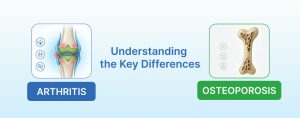
Arthritis is often considered a health condition that affects older adults. However, it can also develop in teenagers and young adults. Factors such as autoimmune disorders, previous joint injuries, infections, genetics, and lifestyle habits may contribute to joint inflammation and discomfort at an early age.
Experiencing stiffness, swelling, or recurring joint pain in your twenties or thirties should not be ignored. Early diagnosis and appropriate medical care can help manage symptoms, protect joint function, and prevent long-term complications.
Arthritis in young age can affect a person’s ability to perform everyday activities, including walking, exercising, working, and participating in sports. Understanding the warning signs and available treatment options is important for maintaining long-term joint health.
In this blog, we will discuss the common causes, symptoms, types, diagnosis, treatment options, and preventive measures for arthritis in young adults.
What Is Arthritis?
Arthritis refers to a group of conditions that cause inflammation, pain, stiffness, or damage in one or more joints. Joints are the areas where two or more bones meet, allowing the body to move comfortably.
A healthy joint contains cartilage that protects the bones and reduces friction during movement. When inflammation or damage affects the joint structures, it can lead to discomfort and restricted mobility.
Although ageing increases the risk of certain joint conditions, arthritis can affect people of different age groups. Some forms develop because the immune system mistakenly attacks healthy joint tissues, while others may occur due to injuries, infections, or metabolic problems.
What Causes Arthritis in Young Adults?
There is no single reason why young adults develop joint inflammation. The underlying cause depends on the type of condition and the individual’s medical history.
Some common contributing factors include:
Autoimmune Disorders
Certain autoimmune conditions cause the immune system to mistakenly attack healthy tissues, including the joints. This can result in inflammation, swelling, stiffness, and progressive joint damage.
Rheumatoid arthritis is one example that can affect people at a relatively young age.
Genetic Factors
Family history may increase the likelihood of developing certain inflammatory joint conditions. However, having a family member with arthritis does not necessarily mean that an individual will develop the condition.
Previous Joint Injuries
Sports injuries, fractures, ligament tears, and repeated stress on the joints can damage cartilage and surrounding structures. In some cases, this may increase the risk of developing arthritis later in life.
Infections
Certain bacterial and viral infections can trigger joint inflammation. Septic arthritis occurs when an infection directly affects a joint and requires urgent medical attention.
Some infections may also trigger reactive arthritis, in which joint inflammation develops following an infection elsewhere in the body.
Obesity and Excess Body Weight
Excess body weight increases pressure on weight-bearing joints, particularly the knees and hips. It may also contribute to inflammation in the body, increasing the risk of certain joint problems.
Sedentary Lifestyle
Limited physical activity can weaken the muscles that support the joints. Reduced muscle strength and flexibility may contribute to stiffness and discomfort.
Metabolic Conditions
Conditions such as gout can occur when uric acid builds up in the body and forms crystals in the joints. Although more commonly associated with older adults, gout can also affect younger individuals.
What Are the Common Arthritis Symptoms in Young Adults?
The signs may vary depending on the type of condition, the joints involved, and the severity of inflammation.
Some common arthritis symptoms include:
- Joint pain:Persistent or recurring discomfort in the knees, wrists, fingers, ankles, hips, or other joints.
- Joint stiffness:Difficulty moving the joints, particularly in the morning or after periods of inactivity.
- Swelling:Inflammation around the affected joints, sometimes accompanied by tenderness.
- Redness and warmth:The affected joint may feel warmer than the surrounding skin.
- Reduced mobility:Difficulty bending, stretching, walking, or performing routine activities.
- Fatigue:Certain inflammatory conditions can cause persistent tiredness and a general feeling of weakness.
- Muscle weakness:Reduced strength around the affected joints may make movement difficult.
- Fever:Some inflammatory or infectious joint conditions may be accompanied by fever.
Persistent joint pain in young adults should be medically evaluated, particularly when it occurs alongside swelling, prolonged morning stiffness, or reduced mobility.
What Are the Different Types of Arthritis That Affect Young Adults?
There are several types of Arthritis, and some can develop during childhood, adolescence, or early adulthood. Identifying the specific condition is essential because treatment approaches differ.
Rheumatoid Arthritis
Rheumatoid arthritis is an autoimmune condition in which the immune system attacks the lining of the joints. It commonly affects the hands, wrists, and feet and may involve multiple joints on both sides of the body.
Symptoms can include morning stiffness, swelling, pain, and fatigue. Early treatment can help slow disease progression and protect joint function.
Juvenile Idiopathic Arthritis
Juvenile idiopathic arthritis is a group of inflammatory joint conditions that begin before the age of 16. Some individuals may continue to experience symptoms into adulthood.
It can cause joint swelling, stiffness, discomfort, and difficulties with movement. Certain forms may also affect the eyes.
Psoriatic Arthritis
Psoriatic arthritis is an inflammatory condition associated with psoriasis, a skin disorder that causes red, scaly patches.
It can affect the fingers, toes, spine, and other joints. Some individuals may experience nail changes, swelling, and stiffness.
Ankylosing Spondylitis
Ankylosing spondylitis is a type of inflammatory arthritis that primarily affects the spine and sacroiliac joints, which connect the spine to the pelvis.
It may cause lower back pain, stiffness, and discomfort that often improves with physical activity.
Reactive Arthritis
Reactive arthritis can develop following certain bacterial infections, particularly those affecting the digestive or urinary systems.
It may cause pain and swelling in the knees, ankles, and feet. Some individuals may also experience eye inflammation or urinary symptoms.
Gout
Gout is an inflammatory form of arthritis caused by the accumulation of uric acid crystals in the joints. It can result in sudden episodes of severe pain, swelling, redness, and tenderness, often affecting the big toe.
Osteoarthritis
Osteoarthritis develops when the protective cartilage in a joint gradually breaks down. Although it is more common with increasing age, younger individuals can also develop it, particularly following joint injuries or due to certain structural and genetic factors.
How Is Arthritis Diagnosed in Young Adults?
Early diagnosis is important to identify the underlying cause and prevent further joint damage. An orthopaedic specialist or rheumatologist may recommend a combination of medical assessments and diagnostic investigations.
Medical History
The doctor will ask about the duration, location, and severity of joint discomfort. Family history, previous injuries, existing health conditions, and other symptoms may also be discussed.
Physical Examination
The doctor will examine the affected joints for swelling, tenderness, warmth, stiffness, and reduced range of motion. Muscle strength and movement may also be assessed.
Blood Tests
Blood investigations may help identify inflammation, autoimmune activity, or metabolic abnormalities.
Depending on the suspected condition, tests may include:
- Erythrocyte Sedimentation Rate (ESR).
- C-reactive Protein (CRP).
- Rheumatoid Factor (RF).
- Anti-CCP antibodies.
- Uric acid levels.
No single blood test can diagnose every form of arthritis. Results must be interpreted alongside clinical findings.
X-rays
X-rays help assess joint alignment, bone changes, narrowing of joint spaces, and structural damage.
MRI and Ultrasound
MRI scans and ultrasound examinations can help identify inflammation, cartilage damage, fluid accumulation, and abnormalities in surrounding soft tissues.
Joint Fluid Analysis
In selected cases, the doctor may collect a small amount of fluid from the affected joint. This can help detect infections or uric acid crystals.
What Are the Treatment Options for Arthritis in Young Adults?
The treatment approach depends on the type of arthritis, severity of inflammation, affected joints, and overall health of the patient. The main goals are to reduce pain, control inflammation, preserve joint function, and prevent further damage.
Appropriate arthritis treatment may involve the following options:
Medications
Doctors may prescribe different medicines depending on the underlying condition.
These may include:
- Pain relievers:Help manage discomfort and improve daily functioning.
- Non-steroidal anti-inflammatory drugs (NSAIDs):Help reduce pain and inflammation.
- Disease-modifying antirheumatic drugs (DMARDs):Used in certain inflammatory conditions to control disease activity and prevent joint damage.
- Biologic medicines:Target specific components of the immune system and may be recommended for selected autoimmune conditions.
- Corticosteroids:May be prescribed for short-term control of significant inflammation in certain cases.
Medicines should only be taken under medical supervision.
Physiotherapy
Physiotherapy can help improve joint flexibility, muscle strength, balance, and mobility.
A physiotherapist may recommend:
- Gentle stretching exercises.
- Strengthening exercises.
- Range-of-motion activities.
- Low-impact aerobic exercises.
- Posture and movement training.
The exercise programme should be customised according to the patient’s condition and pain levels.
Lifestyle Modifications
Healthy daily habits can support joint health and improve overall well-being.
Some useful changes include:
- Maintaining a healthy body weight.
- Avoiding prolonged inactivity.
- Taking regular breaks during desk work.
- Getting adequate sleep.
- Following a balanced diet.
- Avoiding excessive strain on painful joints.
Occupational Therapy
Occupational therapy helps individuals manage everyday activities with less discomfort and strain on their joints.
Therapists may suggest supportive devices, joint-protection techniques, and modifications to workspaces or daily routines.
Joint Injections
In selected cases, doctors may recommend corticosteroid injections to reduce inflammation and provide temporary relief. These are considered based on the underlying diagnosis and individual medical requirements.
Surgical Treatment
Surgery is generally considered when there is significant joint damage, severe functional limitation, or inadequate improvement with non-surgical treatment.
Depending on the condition, procedures may include joint repair, joint reconstruction, or joint replacement. Surgery is not required for most young adults with arthritis, and treatment is usually focused on preserving natural joint function whenever possible.
Arthritis Prevention Tips for Young Adults
Not all forms of arthritis can be prevented, particularly those linked to autoimmune or genetic factors. However, healthy habits can help reduce certain risk factors and support long-term joint health.
Here are some useful arthritis Prevention Tips:
- Stay physically active:Regular low-impact exercises help maintain flexibility and strengthen the muscles supporting your joints.
- Maintain a healthy weight:Managing body weight reduces unnecessary pressure on the knees, hips, and other weight-bearing joints.
- Avoid smoking:Smoking is associated with an increased risk of rheumatoid arthritis and may worsen disease outcomes.
- Eat a balanced diet:Include fruits, vegetables, whole grains, healthy fats, and adequate protein.
- Protect your joints:Use proper techniques while exercising, lifting weights, or playing sports.
- Avoid repetitive strain:Take breaks during activities that involve repeated movements.
- Stay hydrated:Adequate fluid intake supports overall health.
- Get regular health check-ups:Seek medical advice if you experience recurring joint stiffness, swelling, or unexplained discomfort.
When Should Young Adults Consult a Doctor?
Occasional joint discomfort after exercise or physical activity may improve with adequate rest. However, recurring or unexplained symptoms require medical evaluation.
Consult a doctor if you experience:
- Joint pain that continues or frequently returns.
- Morning stiffness lasting for an extended period.
- Swelling or warmth around the joints.
- Difficulty walking, climbing stairs, or using your hands.
- Pain affecting multiple joints.
- Unexplained fatigue along with joint discomfort.
A suddenly painful, hot, and swollen joint, especially when accompanied by fever or chills, may indicate a joint infection. Seek urgent medical attention rather than waiting for symptoms to improve.
Why Choose Venkateshwar Hospital for Orthopaedic Care?
Managing joint conditions at a young age requires an accurate diagnosis, appropriate treatment, and long-term medical guidance. Choosing a healthcare facility with comprehensive orthopaedic services can help patients access the care they need.
Venkateshwar Hospital offers orthopaedic evaluation and treatment for a wide range of bone, joint, and musculoskeletal conditions.
Key aspects of orthopaedic care include:
- Comprehensive assessment of joint and musculoskeletal conditions.
- Individualised treatment planning.
- Medical management and non-surgical treatment options.
- Advanced surgical and joint replacement services when required.
- Physiotherapy and rehabilitation support.
- Guidance on maintaining mobility and improving joint health.
If you are searching for the best arthritis doctor in Dwarka, consulting an experienced specialist can help you understand the cause of your symptoms and available treatment options.
Patients looking for the best orthopaedic doctor in Dwarka, Delhi, or a Joint pain specialist in Dwarka, Delhi, should consider timely evaluation and a comprehensive approach to joint care.
Conclusion
Arthritis is not limited to older adults. It can affect young people due to autoimmune conditions, genetic factors, infections, previous injuries, and other health-related causes. Persistent joint discomfort, swelling, and stiffness should never be dismissed simply because of age.
Early diagnosis, appropriate medication, physiotherapy, and healthy lifestyle changes can help manage symptoms and protect joint function. If you experience recurring joint problems, seek medical advice to identify the underlying condition and receive a suitable treatment plan.
With timely medical care and the right approach, many young adults with arthritis can continue to lead active and fulfilling lives.
Frequently Asked Questions (FAQs)
-
Can young adults develop arthritis?
Yes. Arthritis can affect people of all age groups, including teenagers and young adults. Autoimmune disorders, previous injuries, infections, and genetic factors can contribute to its development.
-
What is the most common type of arthritis in young adults?
Rheumatoid arthritis, psoriatic arthritis, ankylosing spondylitis, and reactive arthritis are among the inflammatory conditions that can affect younger individuals. The most common type varies depending on the population and age group.
-
What are the early warning signs of arthritis?
Early warning signs may include recurring joint pain, morning stiffness, swelling, tenderness, warmth around the joints, and reduced mobility.
-
Can arthritis be cured permanently?
Most chronic forms of arthritis do not currently have a permanent cure. However, appropriate treatment can help control inflammation, manage symptoms, slow disease progression, and improve quality of life.
-
Does exercise make arthritis worse?
Not necessarily. Appropriate low-impact exercise can improve flexibility, muscle strength, and joint function. However, high-impact activities or excessive exercise may worsen discomfort in some individuals. Exercise should be tailored to the patient’s condition.
-
Can diet help manage arthritis?
A balanced diet rich in fruits, vegetables, whole grains, healthy fats, and protein can support overall health. Maintaining a healthy weight may also reduce pressure on weight-bearing joints. However, diet alone cannot cure arthritis.
-
Is morning stiffness a sign of arthritis?
Morning stiffness can be associated with inflammatory arthritis, particularly when it lasts for an extended period and occurs alongside swelling or joint pain. Persistent symptoms should be evaluated by a doctor.
-
Can arthritis affect more than one joint?
Yes. Conditions such as rheumatoid arthritis can affect several joints simultaneously, often involving similar joints on both sides of the body.
-
Which doctor should I consult for arthritis?
An orthopaedic specialist can evaluate joint-related problems, while a rheumatologist specialises in diagnosing and managing inflammatory and autoimmune joint conditions. The appropriate specialist depends on the suspected cause.
-
At what age can arthritis develop?
Arthritis can develop at any age. Certain forms, such as juvenile idiopathic arthritis, begin during childhood, while rheumatoid arthritis and other inflammatory conditions may develop during young adulthood.