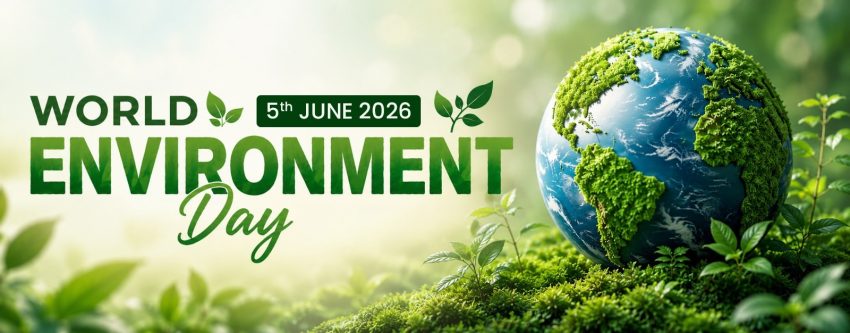
Every year, World Environment Day 2026 reminds the world about the importance of protecting the environment and promoting healthier living conditions. It helps highlight various initiatives and drives aiming for a healthier public health.
For the Delhi NCR region, which faces consistently increasing levels of pollution, the link between environment and human health is an unmissable reality.
From increased instances of respiratory infections and declining health statuses in children and the elderly due to worsening lung health, pollution is now considered a substantial health crisis. The entire nation, on Earth Day, would be working to raise awareness of cleaner air, healthier lives, and stronger climate action policies.
Venkateshwar Hospital emphasises the importance of health and well-being, prevention, and a timely check-up. The initial steps towards building a healthier India begin with the recognition of the effects of air pollution on the lungs.
World Environment Day 2026 Theme: Climate Action
The theme of World Environment Day 2026, Climate Action, highlights the need for governments, industries, the healthcare sector, and individuals to collaborate sustainably. They must work together to reduce pollution and protect the environment. This is especially important in metro cities like Delhi-NCR. There, pollution, climate change, and heat waves are increasing respiratory diseases and affecting lung health among both young people and the elderly.
To combat these issues, strong climate action policies must be developed, and renewable energy options and green transportation should be encouraged, as the future of the planet depends on our contribution.
Therefore, as the environment is directly related to the health and well-being of every living creature, it becomes important to understand the need for climate action, not just for a better environment but also to save lives.
World Environment Day 2026 Overview
World Environment Day 2026, a global event observed on the 5th of June every year, aims at raising awareness about environmental protection and the growing need for implementing sustainable and earth-friendly practices. In recent times, issues like climate change, increasing pollution, and the decline of the environment have increased the importance and the overall impact of this day.
This event has always placed a strong focus on how humans can impact the environment and the future of our planet, with the various steps being taken and the awareness generated among the citizens.
The Environmental Crisis
The air quality in the capital Delhi NCR has been the worst in the last few years, among all the metropolitan cities. While millions of vehicles contribute to the pollution of vehicular emissions, the use of fossils and industrial pollutants, stubble burning, and the ongoing construction activities only add to the increasing level of air pollution that severely affects the city.
Some of the main pollutants that are found in the air include:
- PM 2.5
- PM 10
- Nitrogen Dioxide
- Carbon Monoxide
- Ozone
- sulphur dioxide
- toxic smoke
They get inhaled directly by the citizens, entering deep into the lungs and the body, causing respiratory and chronic illnesses in children and the elderly. A doctor from Venkateshwar Hospital recommends that these patients receive long-term consultation regarding treatment and care, as well as ways to reduce pollution exposure in their lives.
Effect of Air Pollution on Lung Health
The lungs of the human body function like natural air filters, which in turn means that when the environment we breathe in is heavily polluted, it can prove harmful.
- Asthma
Among the people of Delhi, and particularly children, it causes increased instances of asthma. Asthma attacks are also found to be triggered by high levels of pollution. Symptoms such as coughing and breathing difficulty can arise.
- Chronic Obstructive Pulmonary Disease (COPD)
It is often termed as a ‘breathing problem’ for the long-term lung damage caused by exposure to toxic substances. People who live in heavily polluted cities are at high risk.
- Respiratory Infections
It leads to numerous respiratory infections, pneumonia, and lung infections such as Bronchitis.
- Lung Cancer
Prolonged exposure to polluted air may increase the risk of developing lung cancer. This is a very serious ailment, as cancer cannot be prevented through regular check-ups.
- Breathing Capacity of children reduced
A growing child’s respiratory organs would be unable to develop at the optimum pace if he were living in a pollution-infested city; these health issues could further lead to breathing difficulty at a younger age. Children are also very prone to allergies.
Impact of Climate Change on Lung Health
Climate change directly affects the lung health of people, and there are many other associated factors with lung health problems that might go unnoticed in these circumstances. Rising temperatures cause ozone pollution, wildfire smoke contributes to breathing issues, storms could result in an increase in dust storms, and pollen count rises in these situations, causing severe allergies among citizens. Therefore, climate action and protection of the environment are interlinked to human health and respiratory problems.
Why Delhi NCR has severe Pollution Problems
There are many problems due to pollution that have a greater contribution in our day-to-day lives, such as;
- Traffic congestion-millions of vehicles are plying on the roads each day, causing vehicular pollution.
- Construction sites-the dust from these sites contributes to PM 2.5 and PM 10 that goes directly into the lungs.
- Industrial plants and Factories-these industries emit toxins and harmful substances into the atmosphere, which results in pollution.
- Seasonal burning, or stubble burning, is a major cause of pollution in winter.
- Firecrackers and Waste Burning-these emit highly dangerous and toxic particles into the atmosphere.
Symptoms of Lung problems due to Pollution
If an individual finds themselves coughing, or has difficulty in breathing, chest discomfort, allergies, wheezing, sneezing, tired feeling, and reduced stamina, then it is advisable to consult a doctor. However, many people ignore such symptoms at first and may fall prey to a serious disease.
Precautionary measures to keep the lungs safe in this polluting atmosphere:
- Wear Masks
Wearing masks that filter out particulate matter is highly recommended for people living in Delhi. N95 masks keep you safe while commuting or exercising outdoors.
- Check the AQI every day
Before planning outdoor activities, check the Air Quality Index. Avoid going outside or exercising when pollution levels are high.
- Use air Purifiers at home
Make sure your indoor environment is safe. Air purifiers clean the air you breathe at home.
- Stay hydrated
Drinking water regularly can help prevent throat dryness
- Avoid going out when pollution is at its peak.
Try not to go outside during high pollution times and avoid exercising at those hours.
- Healthy Food Habits
Many natural remedies can protect your body from pollution. Foods rich in Vitamin C, like citrus fruits, leafy greens, and nuts such as almonds, can be beneficial.
Regular Checkups at the Hospital
Citizens should be encouraged to have themselves evaluated at regular intervals at the hospital. Lung function and a medical evaluation by a pulmonologist should be performed annually for children, senior citizens, and even for those who are involved in jobs related to pollution or occupational pollution, and for asthmatic patients. A screening HRCT chest in patients with exposure to smoking above 50 yrs is advisable every year.
Role of the Hospitals:
Hospitals must take a leading step in raising awareness among the public about the various aspects of pollution and the impact that it can have on their health. By conducting awareness programs and carrying out free checkups for people to examine lung capacity and related respiratory diseases, and suggesting all kinds of preventive measures, it helps the citizens make the right choices for themselves and for the environment.
Venkateshwar Hospital is working towards creating public awareness and implementing preventive care related to respiratory illness and environmental risks.
Things that Society Can Do for Cleaner Air
Combating pollution will take concerted effort from every individual in the community and the government.
- Increase use of public transport- This drastically reduces vehicle emissions
- Plant more trees-Trees are a natural purifier of the air. They help produce more oxygen and improve the air quality by trapping pollutants.
- Minimize usage of fossil fuel- Alternate sources of energy need to be preferred over burning of fossil fuels, as they release harmful pollutants into the air
- Promote responsible waste management- This will help curtail the toxic fumes released by burning garbage
- Show support towards green policies- Citizens have a role to play in advocating stricter laws to regulate environmental norms and support eco-friendly development in urban regions.
Conclusion
World Environment Day 2026 is not only a campaign but also a much-needed reminder of the indispensable role of clean air in our lives. Air pollution in India is wreaking havoc on the respiratory health of the masses, causing a rise in respiratory diseases like asthma, COPD, lung infections, and other complications.
Specialists at Venkateshwar Hospital consistently reinforce the importance of early diagnosis and preventive care of lung health and educate people about various air pollution-related diseases. A clean environment means a healthy living environment for all.
Frequently Asked Questions (FAQs)
1. What is World Environment Day 2026?
World Environment Day 2026 is a global awareness event celebrated on June 5 to promote environmental protection and sustainable living.
2. What is the theme of World Environment Day 2026?
The theme focuses on Climate Action, encouraging global efforts to reduce pollution and protect public health.
3. How does air pollution affect lung health?
Air pollution can cause asthma, COPD, allergies, lung infections, and increase the risk of lung cancer.
4. Who is most vulnerable to pollution-related lung diseases?
Children, elderly individuals, smokers, outdoor workers, and people with respiratory conditions are at higher risk.
5. What are common symptoms of pollution-related respiratory problems?
Symptoms include coughing, wheezing, chest tightness, breathlessness, throat irritation, and recurrent infections.
6. How can I protect my lungs from pollution?
You can protect your lungs by wearing masks, monitoring AQI levels, avoiding smoking, using air purifiers, and eating a healthy diet.
7. Why is climate action important for lung health?
Climate action helps reduce pollution, improve air quality, and lower the risk of respiratory diseases.
8. What is the difference between Earth Day and World Environment Day?
Both Earth Day and World Earth Day focus on environmental conservation, while World Environment Day 2026 emphasizes global environmental awareness and action.
9. How does Venkateshwar Hospital help in respiratory care?
Venkateshwar Hospital provides advanced respiratory diagnostics, lung health screenings, and specialized treatment for pollution-related respiratory diseases.
Written & Verified By:

Dr. Pratibha Gogia (MBBS, DNB)
Director & HOD Pulmonology & Sleep Medicine
Meet The Doctor