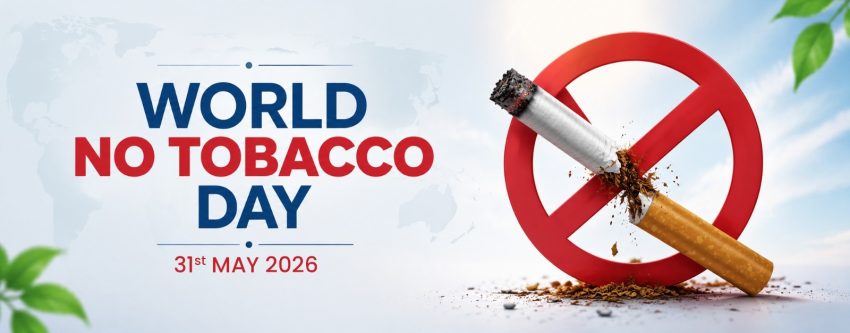
World No Tobacco Day falls on May 31 every year—a reminder from the World Health Organisation to take a hard look at tobacco’s impact on our health and the world around us. The World Health Organisation (WHO) started this global campaign back in 1987, urging people everywhere to pay attention to the tobacco epidemic, and more importantly, the deaths and diseases we can prevent if we act.
The day isn’t just a calendar event. It’s a wake-up call for all of us. The point clearly shows how damaging tobacco is, talks honestly about the diseases it causes, and encourages people worldwide to stop smoking. At the same time, the movement pushes for strong policies to cut tobacco use and protect younger generations from getting hooked on nicotine.
Every year, World No Tobacco Day zeroes in on a theme. For 2026, the message is all about “Unmasking the Appeal.” Basically, it’s time to call out the sneaky ways the tobacco industry brings in new users and keeps regulars addicted.
World No Tobacco Day 2026 Theme: Unmasking the Appeal
The theme for World No Tobacco Day 2026— “Unmasking the Appeal: Countering Nicotine and Tobacco Addiction”—shines a light on the tactics companies use to hook people. It’s not an accident that certain tobacco packages look trendy, or that there are minty, fruity, or candy Flavors, or that ads pop up just about everywhere you look online. These tricks create a false sense of safety and make tobacco seem way more attractive than it is.
The ways tobacco brands try to make their products appealing:
- Flavoured Products
Ever notice how tobacco can taste like mint, berry, or chocolate? That’s not by chance. Those sweet flavours cover up the harshness of tobacco, making it much easier for someone to try it—and just keep going. Teens and young adults get pulled in this way.
- Attractive Packaging
Tobacco products often come in bright, attention-grabbing packaging. The colours, the glossy designs, the sleek look—all of that is meant to give off a premium vibe, or at least suggest the product isn’t dangerous.
- Digital and Social Media Marketing
The old-school ads may have faded but online is a wild frontier. Influencers show off products in subtle ways, while digital ads easily slip past the rules and reach new audiences—all with a tap or a swipe.
- Misleading Claims
Ever seen “low-risk” or “smoke-free” on a product label? These phrases make people create confusion and leading people to underestimate their harmful effects.
It’s easy to fall for these methods, especially with the way tobacco companies design everything to look cool, safe, or even necessary. But the truth hits hard: smoking means a higher risk of cancer, addiction, and all sorts of long-term damage.
Why People Use Tobacco
Understanding why people start using tobacco is key to prevention and cessation. Common reasons include:
- Peer pressure: Especially among teenagers and young adults
- Stress relief: A misconception that smoking helps manage stress
- Curiosity: Experimentation or trying something new
- Social and media influence: Advertising and peer behaviour
- Nicotine addiction: Continued use due to dependency
While these reasons may seem convincing, the long-term smoking effects far outweigh any temporary relief.
Understanding Smoking Effects on the Body
Tobacco is rough on the body—there’s no way around it. The smoke carries thousands of chemicals that mess with just about every organ you’ve got.
In the short run, you might notice your heart pounding, your blood pressure spiking, and your throat or lungs feeling irritated. Over time, the effects worsen. Chronic breathing problems, heart disease, strokes, a weakened immune system, premature ageing, and reproductive issues pile up. Smoking is directly linked to cancers of the lungs, mouth, throat, and other organs.
How Tobacco Causes Cancer and Other Diseases
Understanding how tobacco causes cancer and other diseases is crucial. Tobacco smoke damages DNA and disrupts normal cell function.
How Tobacco Causes Cancer
It’s a double blow. Carcinogens in tobacco damage the DNA in your cells, and when DNA is messed up, everything goes sideways. The body often can’t repair the damage, and those abnormal cells can turn into tumours—cancer. Meanwhile, tobacco weakens your immune system and keeps the inflammation and tissue damage going, targeting areas like your lungs, mouth, and throat.
How tobacco leads to serious diseases:
Chronic Obstructive Pulmonary Disease (COPD): Tobacco is the primary cause of COPD, a progressive and irreversible destruction of the lung’s air sacs and airways. In places like India, bidi smoking (a traditional cigarette) is a huge factor in high COPD numbers, especially in rural areas.
Cardiovascular Disease and Heart Disease: Smoking speeds up clogged arteries, raises your blood pressure, and puts stress on your heart. Smokers are nearly twice as likely to have a heart attack as non-smokers.
Stroke: All that damage to blood vessels sets up a higher risk for both types of strokes—ischemic (blood blocked) and hemorrhagic (bleeding in the brain). Quitting smoking sharply lowers your risk.
Peripheral Artery Disease: This is clogged and damaged blood vessels in your arms and legs. Pain, trouble walking, and even amputation can follow.
Reproductive Health: For women, tobacco lowers fertility, triggers pregnancy problems, and leads to early menopause. In men, tobacco reduces sperm quality and is linked to erectile dysfunction.
Diabetes: Smoking raises your risk for Type 2 diabetes and makes blood glucose harder to control in those already diagnosed.
Tuberculosis:Tobacco smoke damages the respiratory immune defences that protect against Mycobacterium tuberculosis. Smokers are more likely to develop active TB, experience faster disease progression, and respond less effectively to treatment.
Symptoms for Lung Cancer You Should Not Ignore
Recognizing symptoms for lung cancer early can improve treatment outcomes.
Common symptoms include:
- Persistent cough
- Chest pain
- Shortness of breath
- Coughing up blood
- Unexplained weight loss
If these symptoms persist, medical consultation is essential.
Lung Cancer Prevention: Steps Toward a Healthier Life
Effective lung cancer prevention begins with avoiding tobacco use.
Preventive measures:
- Do not smoke or use tobacco
- Avoid second-hand smoke
- Maintain a healthy lifestyle
- Exercise regularly
- Get routine health screenings
Prevention is the best defence against serious diseases.
Benefits of Quitting Smoking
Quitting makes a difference—big time. Once you drop the habit, your body starts to recover almost immediately. Your heart rate returns to normal, oxygen levels improve, and over the weeks and months that follow, your lungs work better, your circulation improves, and your risk of cancer drops. Even if you’ve already faced a diagnosis, quitting boosts your chances of a better outcome.
How to Quit Tobacco: Support and Strategies
Setting a quit date can give you something to aim for. Talk to a doctor—they might suggest medication or nicotine replacement options.
Effective methods:
- Set a quit date
- Seek medical guidance
- Use nicotine replacement therapies
- Consider prescription medications
- Join counselling or support groups
Lifestyle support:
- Stay active
- Avoid triggers
- Practice stress management
- Build a strong support network
The Role of Awareness and Collective Action
Reducing tobacco use requires collective effort.
Key actions:
- Educate communities
- Promote tobacco-free environments
- Strengthen policies and regulations
- Support cessation programs
Campaigns like World No Tobacco Day encourage individuals to stop smoking and adopt healthier lifestyles.
Conclusion
Tobacco addiction is preventable, yet it remains a major global health concern. By understanding what World No Tobacco Day is, recognising why people use tobacco, and learning how tobacco causes cancer and other diseases, individuals can make informed decisions.
Tobacco addiction is something we can prevent. When you’re aware of why people start, how tobacco markets itself, and what it does to your health—from cancer to heart disease—you’re empowered to make better choices. Recognising symptoms, embracing prevention, spreading the word, and helping others quit can transform lives. The rewards for quitting are huge, and it’s never too late to turn things around.
Let’s use World No Tobacco Day 2026 as a reason to see through the smoke, stand up for ourselves, and move towards a future without tobacco.
FAQs on World No Tobacco Day and Tobacco Awareness
1. What is World No Tobacco Day and why is it important?
World No Tobacco Day is observed on May 31 to raise awareness about the harmful effects of tobacco use. It is important because it educates people about diseases caused by tobacco and encourages them to stop smoking and adopt healthier lifestyles.
2. Does smoking really cause cancer?
Yes, it is scientifically proven that smoking causes cancer. Tobacco use is linked to several cancers, including lung, oral, mouth, and throat cancer, due to the presence of harmful chemicals that damage cells.
3. What are the early symptoms for lung cancer?
Common symptoms for lung cancer include persistent cough, chest pain, shortness of breath, coughing up blood, and unexplained weight loss. Early detection can improve treatment outcomes.
4. What are the main lung cancer causes?
The leading lung cancer causes include smoking, second-hand smoke exposure, air pollution, and harmful occupational exposures. Smoking remains the most significant risk factor.
5. How can I prevent lung cancer?
Lung cancer prevention involves avoiding tobacco, staying away from second-hand smoke, maintaining a healthy lifestyle, and undergoing regular health screenings.
6. What are the benefits of quitting smoking?
The benefits of quitting smoking include improved lung function, reduced risk of cancer and heart disease, better circulation, and increased life expectancy. Health improvements begin soon after quitting.
7. Why is it difficult to stop smoking?
Nicotine is highly addictive, making it challenging to quit. Withdrawal symptoms like cravings, irritability, and anxiety can occur, but proper support and strategies can help individuals stop smoking successfully.
8. What are effective ways to quit tobacco?
Effective methods include setting a quit date, using nicotine replacement therapies, seeking medical advice, joining support groups, and making lifestyle changes to avoid triggers.
9. Can tobacco cause oral and mouth cancer?
Yes, tobacco use is a major cause of oral cancer and mouth cancer. Both smoking and chewing tobacco significantly increase the risk.
10. Why choose Venkateshwar Hospital for tobacco-related treatment?
Venkateshwar Hospital is known for its advanced medical facilities, experienced specialists, and patient-centred care, making it a trusted choice for the diagnosis and treatment of tobacco-related conditions.
Written & Verified By:

Dr. Dinesh Chandra Katiyar (MBBS, MS, M.Ch)
Director Surgical Oncology & Robotic Surgery
Meet The Doctor