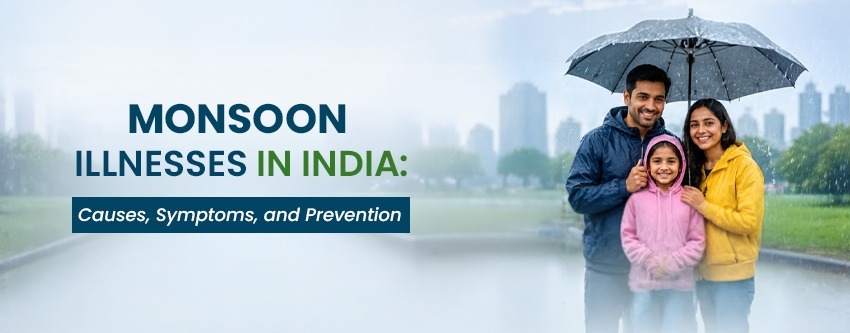
The monsoon season in India brings a lot of relief from the hot summer weather. It also brings a lot of illnesses that can make a lot of people sick. When it rains the water can get dirty. The air can get bad which makes it easy for illnesses to spread. We need to know about these risks and take steps to stay safe and healthy.
Why Monsoon Season Increases Health Risks
During the monsoon season water can get stuck in places and the air can get humid. This makes it easy for mosquitoes and bad germs to grow. Because of this a lot of people get sick with diseases like dengue fever, malaria and typhoid. Dirty water and food can also make us sick with stomach problems and blood infections. So we need to know about the diseases that happen during this time so we can get help quickly.
Common Monsoon Diseases in India
Dengue Fever
Dengue fever is a problem in India during the monsoon season. It is transmitted by the Aedes aegypti mosquito, which breeds in stagnant water found in places such as flowerpots, tyres, buckets, tree holes, and wells. Due to urbanisation and changing landscapes, these mosquitoes are now commonly found in urban households as well.
Signs of dengue fever
Recognizing the signs of dengue early can be life-saving. These include:
- Sudden high fever body temperature
- Severe headache
- Pain behind the eyes
- Joint and muscle pain
- Skin rashes
- Nausea and vomiting
In severe cases, dengue disease can lead to complications such as bleeding and low platelet count.
Dengue fever prevention
To prevent dengue fever, we need to:
- Not let water gets stuck in places
- Use things to keep mosquitoes
- Wear clothes that cover our skin
- Keep our surroundings clean
Malaria Disease
Mosquitoes of the Anopheles minimus breed more actively during the rainy season and act as carriers of the malaria-causing parasite Plasmodium. They typically breed in streams, ponds, and other water channels. If left untreated, this disease can become life-threatening.
Malaria symptoms:
Common malaria fever symptoms include:
- fever with chills
- Sweating
- Headache
- Feeling tired
- Feeling sick to the stomach
If we do not get help malaria can get bad. Cause big problems.
Typhoid
Poor sanitation promotes the growth of Salmonella Typhi, leading to this waterborne disease. It can also spread through the consumption of spoiled or uncovered food, or by drinking contaminated water.
Typhoid symptoms:
- High fever
- Feeling weak
- Stomach pain
- Not wanting to eat
- Constipation or diarrhea
Typhoid is one of the most overlooked monsoon illnesses, but we can prevent it if treated properly.
Viral fever and other infections
A lot of people get fever during the monsoon season. These are often categorized under general monsoon diseases and affect people of all ages.
The signs of fever include:
- fever
- Body aches
- Feeling tired
- Sweating or chills
Most of the time viral fever goes away on its own. Sometimes it can get bad if we do not get help.
Waterborne diseases
Heavy rains often contaminate drinking water, leading to diseases such as cholera, diarrhea, and hepatitis A. These conditions can sometimes escalate into severe blood infection if untreated.
How monsoon illnesses affect health
The monsoon season makes a lot of people sick which puts a lot of pressure on hospitals. We need to get help, so we do not get sick. Institutions like Venkateshwar Hospital tell us to be aware of the risks and to keep ourselves and our surroundings clean.
Monsoon Diseases Prevention: Practical Tips
To prevent monsoon illnesses, we need to keep ourselves and our surroundings clean and be aware of the risks. Here are some ways to prevent monsoon illnesses:
- Keep our surroundings clean
- Do not let water get stuck in places
- Clean the drains and containers regularly
- Throw away trash properly
- Drink safe water
- Always filter the water we drink
- Avoid consuming water from unknown places
- Eat Hygienic food
- Do not eat street food during rains
- Eat food that is cooked freshly
- Wash fruits and vegetables thoroughly
- Protect Against Mosquitoes
- Use things to keep mosquitoes
- Put screens on our windows
- Sleep under mosquito nets if needed
- Boost Immunity
- Eat a diet
- Drink plenty of water
- Eat fruits and vegetables that are in season
- Check our health regularly
- Check our fever regularly
- Get help if we are sick for a time
- Do not ignore early signs of dengue or malaria fever symptoms
When to Seek Medical Attention
While some common diseases may resolve with basic care, certain symptoms require immediate medical attention:
- Persistent high fever
- Severe dehydration
- Bleeding or bruising (possible dengue disease complication)
- Altered consciousness
- Continuous vomiting
Prompt diagnosis can prevent complications such as blood infection and organ damage.
Why Choose Venkateshwar Hospital for Monsoon Illness Treatment?
Choosing the right healthcare provider is crucial during the monsoon season when infectious disease cases rise significantly. Venkateshwar Hospital stands out as a trusted name for managing monsoon illnesses effectively.
Expert Medical Team
The hospital has a team of doctors who’re very good at their job. These doctors can. Treat many kinds of diseases that people get during the monsoon. This includes things like dengue fever and malaria disease and typhoid.
Advanced Diagnostic Facilities
Early detection is key in managing monsoon diseases. The hospital offers advanced diagnostic tools to quickly identify infections and initiate timely treatment.
Comprehensive Care
From managing mild viral infections to severe blood infection cases, the hospital provides complete care under one roof.
Focus on Prevention
The medical team emphasizes dengue fever prevention and overall monsoon diseases prevention, helping patients stay informed and protected.
Role of Awareness and Community Efforts
We all need to work to prevent monsoon illnesses. We need to tell people about the risks and how to prevent them. We need to keep our surroundings clean and get help quickly if we are sick. Healthcare providers like Venkateshwar Hospital play a role, in telling people about prevention and treatment.
Conclusion
The monsoon season is refreshing and essential, it also brings a lot of health issues that cannot be ignored. From dengue fever and malaria disease to typhoid and viral infections, the risk of monsoon diseases is real and widespread.
However, with proper awareness, timely recognition of symptoms like the signs of fever and signs of dengue, and adherence to monsoon diseases prevention practices, these risks can be minimized. Staying vigilant, maintaining hygiene, and seeking early medical care are key to enjoying the rainy season without compromising your health.
Frequently Asked Questions (FAQs)
1. What are the most common monsoon illnesses in India?
The most common monsoon illnesses include dengue fever, malaria disease, typhoid, viral fever, and waterborne infections like diarrhea and cholera. These are all considered major monsoon diseases due to their increased prevalence during the rainy season.
2. What are the early signs of dengue?
The early signs of dengue include sudden high fever body temperature, headache, joint pain, nausea, and rashes. Early detection is crucial to prevent severe dengue disease complications.
3. How can I prevent dengue fever during monsoon?
Effective dengue fever prevention includes avoiding stagnant water, using mosquito repellents, wearing protective clothing, and maintaining cleanliness in and around your home.
4. What are malaria fever symptoms?
Common malaria fever symptoms include high fever with chills, sweating, headache, and fatigue. If untreated, malaria disease can become life-threatening.
5. What causes typhoid fever during monsoon?
The primary typhoid fever causes include consumption of contaminated food and water. Poor sanitation and hygiene during the rainy season increase the risk.
6. How can I identify general signs of fever?
Typical signs of fever include elevated fever body temperature, body aches, fatigue, and chills. Persistent fever may indicate a serious infectious disease.
7. What are some general monsoon diseases prevention tips?
Key monsoon diseases prevention measures include drinking clean water, eating hygienic food, maintaining cleanliness, avoiding mosquito bites, and monitoring health regularly.
8. When should I see a doctor for monsoon-related illnesses?
You should seek medical attention if you experience persistent high fever, severe weakness, dehydration, bleeding symptoms, or worsening health issues. Early treatment can prevent complications like blood infection.
9. Are monsoon diseases contagious?
Many monsoon diseases are infectious disease types and can spread through contaminated water, food, or mosquito bites. However, not all are directly contagious from person to person.
10. Where can I get reliable treatment for monsoon illnesses?
Reputed healthcare providers like Venkateshwar Hospital offer expert diagnosis and treatment for various types of diseases associated with the monsoon season.
Written & Verified By:
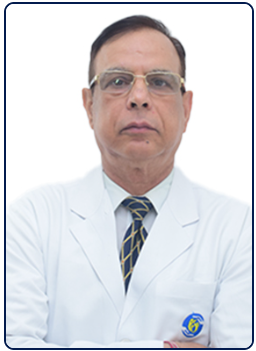
Dr. Anil Laul (MBBS, MD)
Director Internal Medicine
Meet The Doctor