Introduction
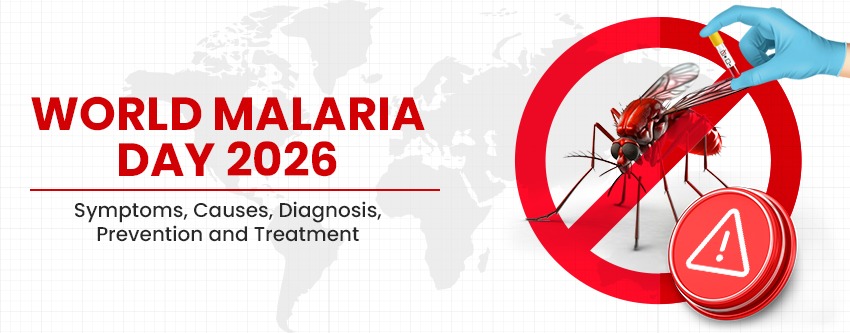
World Malaria Day, celebrated on 25 April each year, is a global initiative to raise awareness and gather resources for the eradication of this deadly disease. This day is vital for India as it continues its aggressive fight to reduce transmission. Malaria is a life-threatening mosquito-borne blood disease. The disease is preventable and treatable. Not knowing about it can lead to serious problems. Malaria happens when you get bitten by an infected Anopheles mosquito. This disease mainly shows up in subtropical areas. It often starts with flu- symptoms. Fever, chills, headaches and feeling tired. If you ignore it things can get fast: anemia, trouble breathing, even lack of awareness can lead to serious health complications.
The good news is that with diagnosis and treatments like artemisinin-based combination therapy most people make a full recovery. Acting fast makes a difference. Malaria is a disease, but it can be prevented and treated. Malaria still affects people especially in places with warm climates.
The Theme of World Malaria Day
The theme of World Malaria Day 2026, ‘Driven to End Malaria: Now We Can. Now We Must,’ is a powerful call to action—urging us to act immediately, save lives, and invest in a future free from malaria.
This theme urges governments, healthcare providers, and communities to act without delay—because every moment counts in saving lives. It emphasizes protecting vulnerable populations, improving early diagnosis, ensuring timely treatment, and increasing awareness. At the same time, it calls for sustained investment and collective responsibility to eliminate malaria once and for all.
The Journey and Importance of World Malaria Day
World Malaria Day, observed every year on April 25, was established in 2007 by the World Health Organization to raise global awareness about Malaria and strengthen efforts to control and eliminate it. It evolved from Africa Malaria Day to expand the focus worldwide. The day is significant because it highlights the importance of prevention, early diagnosis, timely treatment, and regular health checkup. It serves as a reminder that malaria is preventable and treatable, and with continued awareness, investment, and collective action, a malaria-free future is achievable.
Dengue and Malaria: What’s the Difference?
People often mix up dengue and malaria. They are not the same. Both are spread by mosquitoes. Can look similar at first. However, the causes and treatment are different. It is essential to get the right tests to know what you are dealing with. And how to treat it. Dengue and malaria are two diseases, and it is crucial to understand the difference.
What is dengue?
Dengue is a viral infection caused by the dengue virus, DENV. An infected female Aedes aegypti mosquito transmits the virus through its bite. This mosquito species stays most active during daylight hours and breeds in clean, stagnant water.
There are four strains of the dengue virus:
- DENV-1
- DENV-2
- DENV-3
- DENV-4
What is malaria?
Malaria disease is caused by Plasmodium parasites. An infected female Anopheles mosquito spreads the disease through its bite. Once inside the body, the parasite multiplies in the liver, then enters the bloodstream and infects red blood cells.
Five types of malaria of Plasmodium parasites cause malaria, each with a different incubation period and symptom progression. These include:
- P. falciparum: 8-11 days
- P. vivax: 8-17 days
- P. ovale: 10-17 days
- P. malariae: 18-40 days
- P. knowlesi: 9-12 days
Causes of Malaria Disease
Malaria is not a virus. It comes from the Plasmodium parasite. These parasites pass to humans through the bite of female Anopheles mosquitoes usually at night. Mosquitoes thrive in muggy areas especially where there is lots of stagnant water and poor sanitation. Malaria is caused by the Plasmodium parasite. It is essential to understand how it spreads.
There are five species of Plasmodium that cause malaria: P. Falciparum, P. Vivax, P. Ovale, P. Malariae and P. Knowlesi. While mosquitoes are the source you can rarely get malaria from a blood transfusion organ transplant, dirty needles or even from mother to baby during pregnancy or birth. This is rare. It is a reminder of why medical screening and hygiene matter. Malaria can be spread in ways, and it is crucial to be aware of the risks.
Symptoms of Malaria
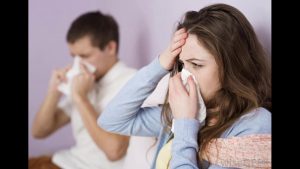
People start showing symptoms a few days to a few weeks after a bite. The common sign is fever that comes in cycles with chills, then hot spells, then sweating. You might also get a headache, muscle aches or feel nauseous. Malaria symptoms can vary; it is essential to recognize the early signs.
Other symptoms include:
- Fatigue and weakness
- Sweating and shivering
- Headaches, severe
- Nausea and vomiting
- Muscle and joint pain
Sometimes malaria gets serious. It can destroy blood cells leading to anemia. Other complications include seizures, liver or kidney failure breathing problems or cerebral malaria which affects the brain and can lead to coma or seizures. Malaria can be a disease, and it is essential to seek medical attention if you experience any symptoms.
Malaria Treatment
Getting treatment fast is important. Doctors choose medicines based on what type of malaria you have and how sick you are. With the internal medicine most people recover fully. It is crucial to seek medical attention if you experience any symptoms.
Hospitals like Venkateshwar have the tools and expertise to diagnose and treat malaria effectively. Malaria treatment is essential. It is crucial to choose the right hospital.
Treatment depends on the type of malaria and how severe it is. Doctors use medications like chloroquine or ACTs for drug-resistant cases. For malaria you might need to go to the hospital for intravenous medicine and extra support to protect your organs.
Don’t try to treat yourself. Using the medication or the right ones incorrectly can make things much worse and lead to resistance. Developed vaccines such as RTS, S and R21/Matrix-M now exist, especially for kids where malaria is common.
How is Malaria Diagnosed?
To find malaria doctors rely on blood tests. They examine blood under a microscope to spot the parasite. Quick rapid tests are also available. Catching malaria early makes treatment easier. Lowers the risk for serious illness. Malaria diagnosis is crucial. It is essential to seek medical attention if you experience any symptoms.
Preventing Malaria
Good prevention means protecting yourself and keeping the environment mosquito unfriendly. Sleep under nets treated with insecticide. Use mosquito repellents on your skin. Wear long sleeves and pants especially between dusk and dawn. Clear away standing water and junk near your home to stop mosquitoes from breeding. If you are heading into a malaria zone you might need to take medicine. Vaccine research is making progress too with options like the RTS S vaccine helping protect vulnerable groups.
When Should You See a doctor?
If you have got a Viral fever, chills, sweating or unexplained fatigue after time in a malaria-affected region don’t wait. Get it checked out right away. Fast treatment stops the disease from turning. Malaria is a disease and it is essential to seek medical attention if you experience any symptoms.
Why Trust Venkateshwar Hospitals for Malaria Care?
Venkateshwar Hospitals have a team with experience treating infectious diseases like malaria. They offer:
- doctors who know malaria inside and out
- Modern labs to get results quickly and accurately
- All the treatment options you need from pills to supportive hospital care
- Emergency services available 24/7
- Focused patient-centered care for fast recovery and safety
Malaria is still a major health risk, but it doesn’t have to be deadly. With some awareness, early action and the right kind of care you can prevent complications and stay safe. Malaria is a disease spread from the malaria mosquitoes, but it can be prevented and treated.
FAQs
1. What is malaria. How does it spread?
Malaria is caused by Plasmodium parasites. Spreads mostly through bites from infected female Anopheles mosquitoes. Rarely it can also spread through contaminated blood organ transplants or from mom to baby.
2. What are the first signs of malaria?
High fever, chills, sweating, headaches, fatigue and nausea. If you have travelled recently and start feeling these symptoms, see a doctor away.
3. Can malaria be cured completely?
Yes, with the medical treatment and by following your doctor’s advice you can make a complete recovery.
4. How can malaria be prevented naturally?
Use insecticide-treated nets get rid of standing water around your home wear clothing and keep your living space clean.
5. Is there a malaria vaccine?
Yes, vaccines like RTS,S and R21/Matrix-M are available in some places. They offer protection and should be used alongside other preventive steps. Ask your doctor if they are right, for you.
Written & Verified By:
 Dr. Rohit Goyal (MBBS, MD, DM)
Director Gastroenterology & Hepatology
Meet The Doctor