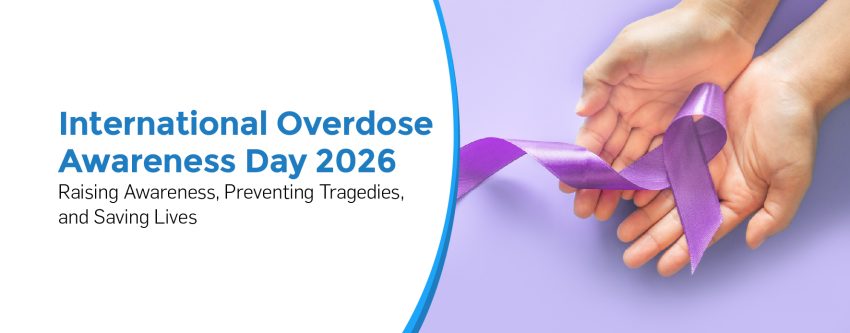
Every year, thousands of lives are lost due to accidental and intentional drug overdoses. Many of these deaths are preventable with timely awareness, education, and access to appropriate medical support. International Overdose Awareness Day is observed annually on 31 August to remember those who have lost their lives to overdose, support grieving families, and promote measures that reduce overdose-related harm.
The observance also serves as a reminder that overdoses can affect anyone, regardless of age, gender, or background. By spreading awareness, encouraging responsible medication use, and ensuring early medical intervention, communities can help save lives.
What is International Overdose Awareness Day?
International Overdose Awareness Day is the world’s largest campaign dedicated to ending overdose deaths and reducing the stigma associated with substance use disorders. The day brings together healthcare professionals, policymakers, patients, caregivers, and community organisations to educate people about overdose prevention, early recognition of warning signs, and emergency response.
The 2026 observance continues to emphasise the importance of compassion, education, and improved access to quality medical support for those at risk.
Why Overdose Awareness Matters
An overdose occurs when a person consumes more of a medication or substance than the body can safely process. This can happen due to prescription medicines, over-the-counter medications, illicit drugs, alcohol, or combinations of these substances.
Many overdose cases are accidental and may result from:
- Taking more than the prescribed dose
- Mixing medications without medical advice
- Combining medicines with alcohol
- Using expired or improperly stored medications
- Taking medicines prescribed for someone else
- Lack of awareness about drug interactions
Early education can significantly reduce preventable overdose incidents.
Common Causes of Drug Overdose
Several factors increase the likelihood of an overdose, including:
- Incorrect dosage of prescription medicines
- Multiple medications interacting with one another
- Substance misuse or addiction
- Chronic liver or kidney disease affecting drug metabolism
- Self-medication without professional guidance
- Accidental ingestion by children or older adults
- Mental health disorders leading to intentional overdose
Understanding these risks helps individuals make informed decisions regarding medication use.
Recognizing the Warning Signs of an Overdose
Symptoms vary depending on the substance involved, but common warning signs include:
- Difficulty breathing or slowed breathing
- Extreme drowsiness or inability to wake up
- Blue lips or fingertips
- Confusion or disorientation
- Seizures
- Loss of consciousness
- Slow or absent pulse
- Vomiting while unconscious
Immediate emergency medical attention is critical if any of these symptoms are observed.
Preventing Medication Overdose
Prevention begins with responsible medication use. Simple precautions include:
- Always follow your doctor’s prescription.
- Read medication labels carefully.
- Never exceed the recommended dose.
- Store medicines safely away from children.
- Avoid mixing medications unless advised by a healthcare professional.
- Inform your doctor about all medications and supplements you take.
- Dispose of unused medicines safely.
Awareness of medicine side effects is equally important, as certain reactions may require dose adjustments rather than additional medication.
The Role of Healthcare Professionals
Doctors, pharmacists, nurses, and emergency physicians play an essential role in overdose prevention by:
- Educating patients about medication safety
- Reviewing prescriptions for possible drug interactions
- Monitoring high-risk patients
- Managing chronic pain responsibly
- Supporting individuals with substance use disorders
- Providing counselling and rehabilitation referrals when needed
Strong collaboration between patients and healthcare providers significantly reduces preventable medication errors.
Importance of Early Medical Intervention
When an overdose is suspected, every minute counts. Quick medical attention can prevent severe complications such as brain injury, organ failure, or death.
Emergency management may include:
- Stabilising breathing and circulation
- Administration of reversal medications when appropriate
- Activated charcoal in selected cases
- Intensive monitoring
- Treatment of complications
- Psychological evaluation when necessary
Prompt intervention greatly improves survival rates and recovery outcomes.
Supporting Families and Communities
Overdose affects not only the individual but also their family and community. Providing emotional support, reducing stigma, and encouraging timely treatment help individuals recover with dignity.
Communities can contribute by:
- Organising awareness campaigns
- Educating schools and workplaces
- Promoting safe medication practices
- Supporting addiction recovery programs
- Encouraging regular health checkup visits for people with chronic illnesses or multiple medications
Building Safer Healthcare Systems
Hospitals and medical institutions continue strengthening medication safety through:
- Electronic prescribing systems
- Medication reconciliation
- Patient education programs
- Clinical pharmacy services
- Emergency preparedness
- Improved patient care standards
- Integrated health care approaches that focus on prevention as well as treatment
- Accessible health care services that ensure timely consultation and follow-up
These initiatives help reduce medication-related complications while improving overall patient safety.
When Should You Consult a Doctor?
Seek immediate medical advice if you or someone you know experiences:
- Accidental overdose
- Persistent medication reactions
- Confusion after taking medicines
- Difficulty breathing
- Severe dizziness
- Unusual sleepiness
- Suspected poisoning
- Repeated medication errors
Never ignore symptoms that develop after taking medications.
How Venkateshwar Hospital Can Help
Venkateshwar Hospital is committed to promoting medication safety through comprehensive emergency care, multidisciplinary expertise, and patient education. Our experienced specialists provide prompt diagnosis, emergency intervention, medication counselling, and continuous support for individuals experiencing drug-related complications. From emergency medicine to specialist consultation, our team is dedicated to delivering safe, evidence-based treatment with compassion.
If you have concerns regarding medications or overdose risks, find a doctor today to receive expert guidance. You can also book an appointment for timely consultation and preventive care.
Conclusion
International Overdose Awareness Day 2026 reminds us that awareness, education, and timely medical intervention can save lives. Whether it involves prescription medications or other substances, responsible medication use and early recognition of overdose symptoms remain essential. By working together—patients, families, healthcare professionals, and communities—we can reduce preventable overdose deaths and create a safer future for everyone.
Frequently Asked Questions (FAQs)
What is International Overdose Awareness Day?
It is a global awareness campaign observed every year on 31 August to remember those who have died from overdose, educate the public, and promote overdose prevention.
What causes a medication overdose?
Common causes include taking excessive doses, mixing medicines, accidental ingestion, drug interactions, or using medications without medical supervision.
What are the early signs of an overdose?
Symptoms may include excessive drowsiness, breathing difficulty, confusion, unconsciousness, seizures, slow heartbeat, and blue lips or fingertips.
What should I do if I suspect someone has overdosed?
Call emergency medical services immediately, keep the person safe, monitor breathing, and avoid giving food or drink unless instructed by medical professionals.
Can prescription medicines also cause overdose?
Yes. Even prescribed medications can cause overdose if taken incorrectly, combined with other substances, or used without following medical advice.
Who is at higher risk of medication overdose?
Older adults, children, individuals taking multiple medications, people with chronic illnesses, and those with substance use disorders are at increased risk.
How can medication overdoses be prevented?
Always follow prescribed dosages, avoid self-medication, read medicine labels carefully, store medications safely, and consult your doctor before combining medicines.
Why is overdose awareness important?
Awareness helps people recognise warning signs early, encourages safe medication practices, reduces stigma, and ultimately saves lives through timely intervention.
Written & Verified By:
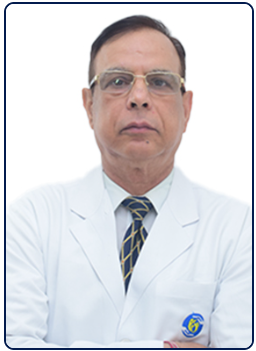
Dr. Anil Laul (MBBS, MD)
Director Internal Medicine
Meet The Doctor