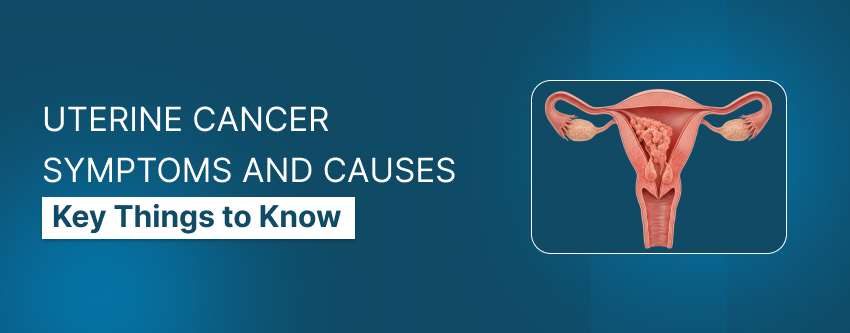
Uterine cancer, also called endometrial cancer, starts in the lining of the uterus and is one of the most common cancers affecting women. Knowing the symptoms and causes is important because catching it early can make a big difference in treatment and recovery. Many women miss the early signs, thinking they are just part of menopause or normal hormonal changes.
At Venkateshwar Hospitals, our skilled oncology team focuses on spotting uterine cancer early, providing advanced treatment options, and offering personalised care. With the right support and timely action, women have a much better chance of a positive outcome.
What is Uterine Cancer?
Uterine cancer is a condition in which cells in the uterus, or womb, begin to grow uncontrollably. The most common type is endometrial cancer, which originates in the lining of the uterus. Another, rarer form is uterine sarcoma, which develops in the muscular wall of the uterus.
Endometrial cancer is the most frequently diagnosed type of uterine cancer and typically affects women over the age of 45, especially after menopause. Early detection is crucial, as it greatly increases the chances of effective treatment and long-term survival. Understanding the differences between these types and their prevalence helps women recognise risk factors and seek timely medical care.
Symptoms of Uterine Cancer
Recognising the early warning signs of uterine cancer is crucial, as timely detection can significantly improve treatment outcomes and overall health management.
Common Symptoms to Watch Out For
Early recognition is crucial. Common warning signs include:
- Abnormal vaginal bleeding, particularly after menopause
- Pelvic pain or pressure in the lower abdomen
- Pain or discomfort during intercourse
- Unexplained weight loss or fatigue
- Frequent urination or difficulty emptying the bladder
Early vs. Advanced Symptoms
| Early Symptoms | Advanced Symptoms |
| Mild spotting or irregular bleeding | Prolonged or heavy bleeding |
| Slight abdominal discomfort or pain | Pelvic pain |
| Mild digestive issues | Noticeable abdominal swelling |
| Fatigue or weakness | Severe pain and significant physical distress |
| Subtle changes easily mistaken for other conditions | Symptoms that profoundly affect daily life and organ function |
Causes of Uterine Cancer
Several factors may contribute to uterine cancer:
- Hormonal Imbalance: Excess oestrogen without sufficient progesterone can overstimulate the uterine lining
- Genetic Predisposition: Conditions like Lynch syndrome can increase cancer risk
- Obesity: Increased fat tissue raises oestrogen levels, encouraging cancer cell growth
- Age: Risk rises after menopause, particularly after age 50
- Polycystic Ovary Syndrome (PCOS): Hormonal irregularities linked with PCOS can elevate risk
- History of Breast or Ovarian Cancer: Past hormonal treatments or radiation may increase susceptibility
Other contributing factors include unopposed oestrogen therapy, family history of uterine or colorectal cancer, diabetes, and high blood pressure. Women who started menstruating early or experienced late menopause also face higher risk due to prolonged oestrogen exposure.
When to See a Doctor?
If you experience abnormal vaginal bleeding, pelvic discomfort, or changes in urination, it is essential to consult a gynaecologist. Ignoring early symptoms can allow the disease to progress silently.
Women experiencing post-menopausal bleeding or recurring pelvic pain should consult a doctor at Venkateshwar Hospitals for a thorough evaluation and timely guidance.
Diagnosis and Treatment Overview
Accurate diagnosis is the first step in effectively managing uterine cancer. Doctors may use a combination of the following methods to assess the presence and extent of the disease:
- Ultrasound: This imaging technique helps detect abnormalities in the uterus and can guide further testing.
- Endometrial Biopsy: Small tissue samples are taken from the uterine lining to examine for cancerous or precancerous cells.
- Imaging Tests: Advanced scans such as MRI or CT provide detailed views of the uterus and surrounding organs, helping determine the stage and plan of cancer treatment.
Treatment is tailored according to the type and stage of uterine cancer, as well as the patient’s overall health:
- Surgery (Hysterectomy): The uterus, and sometimes nearby tissues, are surgically removed to eliminate cancer.
- Radiation Therapy: High-energy rays target and destroy remaining cancer cells, often used post-surgery or for those who cannot undergo surgery.
- Hormone Therapy: Used in cancers sensitive to hormones, this treatment helps slow or stop cancer growth.
- Chemotherapy or Targeted Therapy: Advanced cases may require drugs that target cancer cells directly or interfere with their growth.
Prevention and Healthy Lifestyle Tips
While uterine cancer cannot always be prevented, certain lifestyle choices may reduce risk:
- Maintain a healthy weight through balanced diet and regular exercise
- Attend periodic health check-ups, particularly after menopause
- Discuss hormone therapy options with your doctor before beginning treatment
- Manage chronic conditions such as diabetes or hypertension effectively
Why Choose Venkateshwar Hospitals for Uterine Cancer Care
Venkateshwar Hospitals offers expert, personalised care for uterine cancer, combining advanced diagnostics with a multidisciplinary approach.
- Multidisciplinary Team: Gynaecologic oncologists, surgeons, and radiation specialists collaborate.
- Advanced Diagnostics: Ultrasound, biopsy, MRI, and CT scans for accurate assessment.
- Tailored Treatments: Surgery, radiation, hormone therapy, and targeted therapies.
- Patient-Centred Care: Support from diagnosis through recovery for optimal outcomes.
- Early Detection Focus: Timely evaluation to improve treatment success.
Conclusion
Understanding uterine cancer symptoms and causes is the first step towards prevention and early detection. Any unusual bleeding, pelvic pain, or post-menopausal changes should prompt timely consultation.
At Venkateshwar Hospitals, expert oncologists and gynaecologists work together to provide accurate diagnosis, advanced treatment, and compassionate support for every woman’s health journey.
Frequently Asked Questions
1. What Are the First Signs of Uterine Cancer?
The most common early sign is abnormal vaginal bleeding, especially after menopause.
2. Who Treats Uterine Cancer?
Gynaecologic oncologists specialise in diagnosing and treating cancers of the female reproductive system.
3. Can Uterine Cancer Be Prevented?
Prevention is not always possible, but maintaining a healthy weight, managing hormones, and regular check-ups can lower risk.
4. Is Abnormal Vaginal Bleeding Always a Sign of Uterine Cancer?
Not always, but any unusual bleeding should be evaluated to rule out serious conditions.
5. What Increases the Risk of Uterine Cancer?
Obesity, diabetes, family history, hormonal imbalance, and certain medications.
6. How is Uterine Cancer Diagnosed?
Diagnosis involves pelvic exams, ultrasounds, biopsies, and imaging tests such as CT or MRI.
7. What Are the Treatment Options for Uterine Cancer?
Surgery, radiation therapy, hormone therapy, chemotherapy, or a combination of these.
8. When Should I Consult a Doctor About Uterine Cancer Symptoms?
Consult a doctor if you experience irregular bleeding, pelvic pain, or post-menopausal spotting.
Medically Reviewed by— Dr. Siddharth Sahai (Director – Medical Oncology)