Starting a family is a deeply personal decision, and many women today are choosing motherhood later in life because of career goals, education, financial stability, or personal reasons. While pregnancy after 35 is increasingly common and often results in healthy babies, it is important to understand how age affects reproductive health and what steps can improve your chances of conception.
Although fertility naturally declines with age, modern medical advances and lifestyle modifications have made it possible for many women to conceive successfully in their late 30s and even early 40s. The key lies in early awareness, timely medical guidance, and proactive planning.
Understanding Female Fertility After 35
A woman is born with a fixed number of eggs, and both the quantity and quality of these eggs decrease over time. Around the age of 35, this decline becomes more noticeable. This doesn’t mean pregnancy is impossible—it simply means it may take longer to conceive naturally.
Several factors influence female fertility, including:
- Age
- Hormonal balance
- Ovulation patterns
- Body weight
- Lifestyle habits
- Medical conditions such as PCOS or endometriosis
- Partner’s sperm health
Many women over 35 conceive naturally, while others may require fertility evaluation or treatment.
Why Fertility Declines with Age
As women age, the ovaries gradually produce fewer healthy eggs. Older eggs are also more likely to have chromosomal abnormalities, increasing the risk of miscarriage or genetic disorders.
Other age-related changes include:
- Reduced ovarian reserve
- Irregular ovulation
- Hormonal fluctuations
- Higher chances of uterine fibroids or endometriosis
Understanding these changes allows women to make informed decisions about planning pregnancy at the right time.
How to Increase Fertility After 35
Although age cannot be reversed, there are several evidence-based ways to support reproductive health.
- Maintain a Healthy Weight: Both obesity and being underweight can disrupt hormone production and ovulation.
- Stay Physically Active: Moderate exercise helps improve metabolism, hormone balance, and overall reproductive health. Avoid excessively high-intensity workouts if trying to conceive.
- Manage Stress: Chronic stress can affect hormone levels and menstrual cycles. Yoga, meditation, deep breathing, and adequate sleep may support fertility.
- Quit Smoking and Limit Alcohol: Smoking accelerates egg loss and negatively affects reproductive function. Limiting alcohol and avoiding recreational drugs are also recommended.
These lifestyle habits can help improve fertility and support better pregnancy outcomes.
Improving Egg Quality After 35
While no treatment can completely reverse age-related changes, certain healthy habits may contribute to improving egg quality after 35.
Your doctor may recommend:
- Antioxidant-rich foods
- Regular physical activity
- Adequate sleep
- Stress reduction
- Appropriate vitamin supplements such as folic acid and Vitamin D
- Managing chronic conditions like diabetes or thyroid disorders
Medical advice should always be personalised, as supplements may not be suitable for everyone.
Fertility Foods That Support Reproductive Health
Nutrition plays an important role in reproductive wellness.
Some excellent fertility foods for women include:
- Green leafy vegetables
- Citrus fruits
- Whole grains
- Lentils and beans
- Eggs
- Fatty fish rich in Omega-3
- Nuts and seeds
- Dairy products
- Berries
These nutritious foods to boost fertility provide antioxidants, healthy fats, vitamins, and minerals that support hormonal balance and overall reproductive health.
Pregnancy Diet for Women Over 35
Once pregnancy is confirmed, following a balanced pregnancy diet becomes even more important.
A healthy pregnancy diet should include:
- Protein-rich foods
- Iron-rich vegetables
- Calcium sources
- Folate-rich foods
- Fresh fruits and vegetables
- Whole grains
- Plenty of water
Avoid raw seafood, unpasteurized dairy products, excessive caffeine, and alcohol during pregnancy.
When Should You See a Fertility Specialist?
Women younger than 35 are generally advised to seek medical evaluation after trying for one year without success.
However, women over 35 should consult a fertility specialist after six months of unsuccessful attempts.
Early evaluation helps identify issues such as:
- Ovulation disorders
- Blocked fallopian tubes
- Endometriosis
- Hormonal imbalances
- Male factor infertility
Timely diagnosis often improves treatment success.
Ovulation Treatment Options
Some women experience irregular or absent ovulation, making conception difficult.
Depending on the underlying cause, your doctor may recommend ovulation treatment, which may include:
- Oral fertility medications
- Injectable hormone therapy
- Ultrasound monitoring
- Timed intercourse
- Intrauterine insemination (IUI)
Treatment plans are individualised based on age, ovarian reserve, and overall health.
Understanding the IVF Timeline
If natural conception or simpler fertility treatments are unsuccessful, assisted reproductive techniques may be recommended.
A typical IVF timeline generally includes:
- Initial fertility consultation
- Diagnostic investigations
- Ovarian stimulation
- Egg retrieval
- Fertilisation in the laboratory
- Embryo transfer
- Pregnancy test after approximately two weeks
The duration varies from person to person, depending on the treatment protocol and individual response.
Importance of Preconception Health Checkups
Before trying to conceive, scheduling a comprehensive health checkup helps identify medical conditions that may affect pregnancy.
Your doctor may evaluate:
- Blood sugar levels
- Thyroid function
- Blood pressure
- Vaccination status
- Nutritional deficiencies
- Reproductive hormones
Preconception counselling allows early intervention and promotes a safer pregnancy journey.
Can Women Have a Healthy Pregnancy After 35?
Absolutely. Thousands of women have a healthy pregnancy after 35 and deliver healthy babies.
Success depends on:
- Good overall health
- Early prenatal care
- Healthy lifestyle
- Regular monitoring
- Timely medical intervention when needed
Advanced maternal age simply requires closer observation—not fear.
Why Choose Venkateshwar Hospital?
If you’re considering pregnancy after 35, expert guidance can make a significant difference. Venkateshwar Hospital offers comprehensive women’s healthcare services, including fertility evaluation, high-risk pregnancy care, advanced diagnostics, minimally invasive gynaecological procedures, and personalised treatment plans.
Consulting the best gynaecologist in Delhi can help identify fertility concerns early and guide you toward the most suitable treatment options.
Whether you’re preparing for pregnancy or having trouble conceiving, don’t delay seeking expert care. Find a doctor to discuss your reproductive health and book an appointment for personalised fertility counselling.
Conclusion
Turning 35 is not the end of your fertility journey—it simply means being more proactive about your reproductive health. Understanding age-related changes, adopting healthy lifestyle habits, eating nutritious foods, and seeking timely medical advice can significantly improve your chances of conception and a successful pregnancy. With today’s advanced fertility treatments and expert obstetric care, many women over 35 experience safe pregnancies and healthy deliveries. Early planning, regular checkups, and personalised guidance remain the foundation of achieving your dream of parenthood.
Frequently Asked Questions (FAQs)
Is it safe to get pregnant after 35?
Yes. Many women have healthy pregnancies after 35 with proper prenatal care, regular monitoring, and a healthy lifestyle.
Does fertility suddenly decline at age 35?
Fertility gradually declines with age, but the decline becomes more noticeable after 35 due to reduced egg quantity and quality.
Can I improve my chances of getting pregnant naturally?
Maintaining a healthy weight, eating a balanced diet, exercising regularly, avoiding smoking, managing stress, and seeking early medical advice can improve your chances of conception.
When should I consult a fertility specialist?
If you are over 35 and have been trying to conceive for six months without success, consult a fertility specialist for evaluation.
What tests are done before planning pregnancy?
Common preconception tests include blood tests, thyroid evaluation, hormone assessment, ovarian reserve testing, ultrasound, infectious disease screening, and general health evaluation.
Is IVF the only option after 35?
No. Many women conceive naturally or with simpler treatments such as ovulation induction or IUI. IVF is recommended only when appropriate based on individual circumstances.
Can diet really affect fertility?
A nutritious diet supports hormone balance, egg health, and overall reproductive wellness, although it cannot completely overcome age-related fertility decline.
What vitamins should women take before pregnancy?
Most doctors recommend folic acid before conception. Additional supplements such as Vitamin D or iron may be advised based on individual health needs.
Written & Verified By:
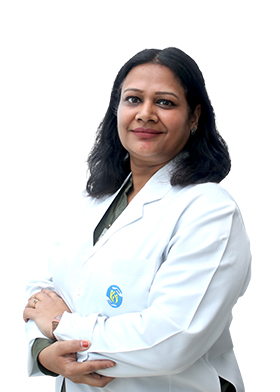
Dr. Dharna Gupta
MBBS, DGO, DNB
Associate Director
Obstetrics & Gynaecology
Meet The Doctor