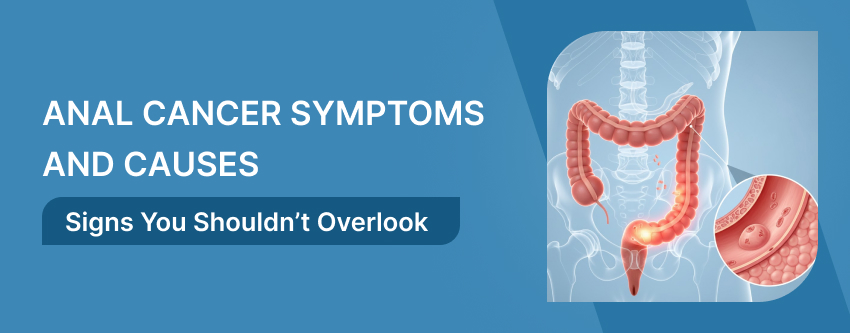
Anal cancer develops in the anal canal, the small passage through which stool leaves the body. Though relatively uncommon, this cancer can cause symptoms such as rectal bleeding, anal pain, or a noticeable lump near the anus. Because these signs often resemble conditions like haemorrhoids, many people delay seeking medical help.
Recognising the symptoms of anal cancer early can lead to timely treatment and better recovery outcomes. Awareness plays a major role, as early-stage cancers often respond well to treatment. Venkateshwar Hospital offers expert diagnosis and advanced care for all types of cancers, including rare conditions like anal cancer.
Understanding Anal Cancer
Anal cancer begins when abnormal cells in the tissues of the anal canal start to grow uncontrollably. The anal canal is located at the end of the rectum and serves as the exit point for waste products from the digestive system.
Unlike colorectal cancer, which affects the large intestine or rectum, anal cancer develops specifically in the lining of the anus. Most cases are caused by infection with the human papillomavirus (HPV), a virus transmitted through sexual contact.
While anal cancer is not as common as other gastrointestinal cancers, its incidence is slowly increasing worldwide. Awareness of symptoms and early medical evaluation can help prevent complications and improve treatment success rates.
Anal Cancer Symptoms
Anal cancer is a rare type of cancer that affects the tissues of the anus. Early detection relies on recognising warning signs, which can help ensure timely diagnosis and effective treatment.
Early Warning Signs
Being aware of anal cancer symptoms is key to spotting the disease early and improving treatment outcomes. While some signs may seem minor, ignoring them can delay diagnosis.
- Rectal Bleeding: Unexplained bleeding from the anus, whether bright red or dark, should never be ignored.
- Anal Pain or Discomfort: Persistent pain, pressure, or discomfort in the anal region may indicate underlying issues.
- Lump or Swelling Near the Anus: A noticeable lump or swelling may indicate abnormal cell growth and warrant evaluation.
- Itching or Unusual Discharge: Ongoing itching, mucus, or discharge around the anus can be an early symptom of anal cancer.
- Changes in Bowel Movements: Altered bowel habits such as constipation, diarrhoea, or a feeling of incomplete emptying may occur.
- Fatigue and Unexplained Weight Loss: General tiredness, weakness, or sudden weight loss can accompany other symptoms.
Persistent or unexplained symptoms should be evaluated promptly. Early diagnosis can significantly improve treatment outcomes.
Advanced Symptoms
As anal cancer progresses, symptoms can intensify. Patients may experience severe pain during bowel movements, continuous bleeding, or swollen lymph nodes in the groin. Some may also feel a constant urge to pass stool, even when the bowels are empty.
Early detection greatly improves the outcome, so any persistent bleeding or discomfort should not be ignored.
Anal Cancer Causes and Risk Factors
Understanding the causes and risk factors of anal cancer can help identify individuals at higher risk. Awareness of these factors is essential for early detection and prevention.
Main Causes of Anal Cancer
The exact cause of anal cancer is linked to cellular changes in the lining of the anal canal. These cells undergo mutations in their DNA, which causes uncontrolled growth and the formation of a tumour. Over time, the tumour can invade nearby tissues or spread to other parts of the body.
The human papillomavirus (HPV) is considered the leading cause of anal cancer. This virus is transmitted through sexual contact and can cause cell changes that increase the risk of developing cancer.
Risk Factors that Increase the Chances
- HPV infection: The most common factor linked to anal cancer.
- Multiple sexual partners: Increases the likelihood of HPV exposure.
- Receptive anal intercourse: Raises risk due to repeated irritation or infection.
- Smoking: Chemicals in tobacco weaken the body’s natural defence system.
- Weakened immune system: People with HIV or those on long-term immunosuppressant medicines are at greater risk.
- History of genital cancers: Prior cervical, vaginal, or vulvar cancer can increase susceptibility.
- Age and gender: Anal cancer is more common in people over 50, particularly women.
While causes refer to the biological reasons behind cancer, risk factors are conditions or habits that make it more likely to develop. Understanding both helps individuals discuss preventive measures with their doctors.
When to See a Doctor
A healthcare professional should assess any unexplained rectal bleeding, pain, or lump near the anus. Early evaluation helps rule out other conditions, such as haemorrhoids and ensures that any underlying issue is detected quickly.
If symptoms like anal itching, changes in stool shape, or persistent discharge continue beyond a few weeks, it is advisable to consult a specialist.
Consult the oncology team at Venkateshwar Hospital for comprehensive diagnostic evaluation and personalised treatment planning.
Diagnosis and Treatment Overview
Diagnosis of anal cancer typically begins with a detailed medical history and physical examination. Common tests include:
- Digital rectal examination: A gloved finger is used to feel for lumps or irregularities inside the anus.
- Anoscopy or proctoscopy: A small, lighted tube allows doctors to examine the anal canal.
- Biopsy: A small tissue sample is removed for laboratory analysis to confirm cancer.
- Imaging tests: MRI, CT, or PET scans help determine if the cancer has spread.
Early-stage diagnosis can help avoid complex treatments and improve recovery outcomes.
Treatment Options
Treatment depends on the stage and type of cancer, but usually involves a combination of therapies:
- Chemoradiation therapy: A combination of chemotherapy and radiation, which destroys cancer cells and often eliminates the need for surgery.
- Surgery: Performed if the tumour is small or if the cancer does not respond to chemoradiation. In rare cases, surgery may include removing part of the rectum and creating a new passage for waste removal.
- Immunotherapy: Helps the body’s immune system identify and attack cancer cells, particularly in advanced stages.
Venkateshwar Hospital offers advanced diagnostic and therapeutic facilities, ensuring patients receive multidisciplinary support from expert oncologists and surgeons.
Prevention and Lifestyle Measures
There is no guaranteed way to prevent anal cancer, but certain steps can lower the risk:
- HPV vaccination: Can significantly reduce the risk of HPV-related cancers. Discuss eligibility with a healthcare provider.
- Quit smoking: Stopping tobacco use can lower cancer risk and improve overall health.
- Practice safer sex: Use protection and limit the number of sexual partners to reduce HPV exposure.
- Regular check-ups: Those at high risk, including people with HIV or a history of genital cancers, should undergo regular screening as advised by their doctor.
Maintaining a healthy immune system and being alert to bodily changes can go a long way in preventing late-stage diagnosis.
Why Choose Venkateshwar Hospital for Anal Cancer Care?
Venkateshwar Hospital provides expert, personalised care for anal cancer with a comprehensive, multidisciplinary approach.
- Advanced Diagnostics: High-precision imaging such as CT, MRI, and PET scans for accurate detection and staging.
- Expert Oncology Team: Collaboration of medical, surgical, and radiation oncologists to design optimal treatment strategies.
- Customised Treatment Plans: Surgery, chemotherapy, radiation, and targeted therapies customised to each patient’s needs.
- Patient-Centred Care: Compassionate support from diagnosis through recovery to ensure better outcomes and improved quality of life.
Prognosis of Anal Cancer
The prognosis of anal cancer depends largely on the stage at diagnosis, the size of the tumour, and the patient’s overall health. Early-stage anal cancer detected before it spreads to nearby lymph nodes or organs has a significantly better outlook, with treatment often leading to long-term survival.
Treatment typically involves a combination of surgery, radiation therapy, and chemotherapy, which can improve outcomes even in more advanced cases. Awareness of anal cancer symptoms and timely medical evaluation are key to early detection. At Venkateshwar Hospital, personalised care and a multidisciplinary approach help maximise the chances of positive outcomes.
Frequently Asked Questions
1. Who treats anal cancer?
Anal cancer is treated by oncologists, radiation specialists, and colorectal surgeons working together.
2. Is anal cancer common in India?
Anal cancer is relatively rare in India, but awareness and early detection are increasing due to improved diagnostic facilities.
3. What are the main risk factors for anal cancer?
HPV infection, smoking, multiple sexual partners, and a weakened immune system are common risk factors.
4. Can HPV infection lead to anal cancer?
Certain high-risk strains of HPV are strongly linked to anal and cervical cancers.
5. How is anal cancer diagnosed?
Doctors use a combination of physical exams, anoscopy, biopsy, and imaging tests to confirm the diagnosis.
6. What are the treatment options for anal cancer?
Chemoradiation, surgery, and immunotherapy are the main treatments, depending on the stage and response to therapy.
Medically Reviewed by — Dr. Rudra Prasad Acharya ( Director – Surgical Oncology & Robotic Surgery )