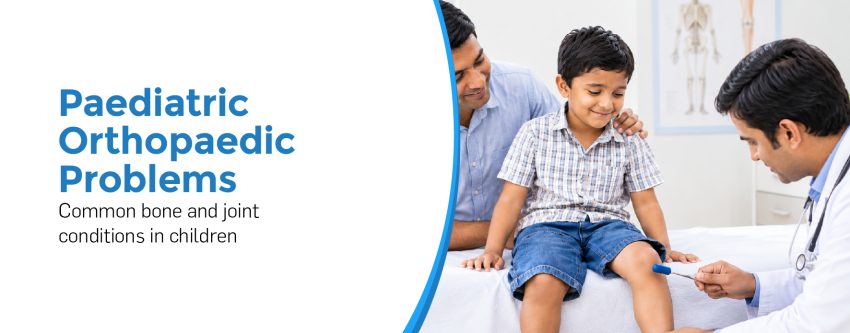
Children are constantly growing, developing new movement skills and participating in physical activities. During these years, problems affecting the bones, joints, muscles and spine can sometimes develop. Some conditions are temporary and resolve with growth, while others require early evaluation and treatment.
Paediatric bone and joint conditions can affect a child’s movement, posture, walking pattern and participation in everyday activities. Recognising unusual symptoms and seeking timely medical advice can help support healthy musculoskeletal development.
What Are Paediatric Orthopaedic Problems?
Paediatric orthopaedics focuses on diagnosing and treating musculoskeletal problems in infants, children and adolescents. These may include congenital conditions, growth-related problems, sports injuries, fractures, infections, deformities and abnormalities affecting the spine or gait.
What Are the Common Orthopaedic Problems in Children?
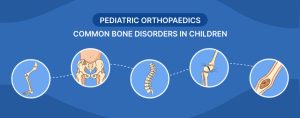
Parents often ask, What are the common orthopaedic problems in children? Some of the conditions frequently evaluated by paediatric orthopaedic specialists include:
- Developmental dysplasia of the hip
- Clubfoot
- Scoliosis
- Bowlegs and knock-knees
- Fractures and dislocations
- Sports-related injuries
- Growth plate injuries
- Limping or abnormal gait
- Bone and joint infections
- Certain growth-related bone conditions
- Juvenile joint disorders
The appropriate evaluation depends on the child’s age, symptoms and stage of physical development.
Common Joint Problems in Children
Common joint problems in children may involve the hips, knees, ankles, shoulders or elbows. Injuries, infections, inflammation and developmental abnormalities can all affect joint function.
Symptoms may include pain, swelling, stiffness, reduced movement or difficulty participating in normal activities. Persistent or unexplained joint symptoms should be assessed rather than being assumed to be part of normal growth.
Paediatric Bone Diseases
Paediatric bone diseases may develop because of genetic factors, nutritional deficiencies, growth abnormalities, infections or other medical conditions. Some may affect bone strength, shape or development.
Examples include certain metabolic bone disorders, growth-related conditions and developmental abnormalities. Early assessment can help identify the underlying cause and determine appropriate management.
Paediatric Joint Diseases
Paediatric joint diseases can cause pain, swelling, stiffness or restricted movement. Some may result from injury or infection, while others may be related to inflammatory or developmental conditions.
A child with persistent joint swelling, morning stiffness, recurrent pain or difficulty moving a joint may need evaluation by a paediatrician, orthopaedic specialist or paediatric rheumatologist depending on the suspected cause.
Hip Dysplasia in Children
Hip dysplasia in children, also called developmental dysplasia of the hip (DDH), occurs when the hip joint does not develop normally. The ball of the thighbone may be loose within or partially or completely displaced from the hip socket.
Risk factors can include family history and breech positioning. Signs may include limited movement of one leg, unequal leg length or uneven thigh or buttock creases. Early screening and diagnosis are important because treatment can be more straightforward when the condition is identified early.
Scoliosis in Children
Scoliosis is a sideways curvature of the spine that can develop during childhood or adolescence. Mild curves may only require observation, while more significant curves may require treatment such as bracing or, in selected cases, surgery.
Parents may notice:
- Uneven shoulders
- Uneven waist or hips
- One shoulder blade appearing more prominent
- An unusual spinal curve
- Clothes appearing to fit unevenly
A medical evaluation can determine whether the spinal curvature requires monitoring or treatment.
Bowlegs and Knock-Knees
Young children may naturally have bowlegs, and their legs may later appear knock-kneed as they grow. These changes are often part of normal development and frequently improve naturally.
However, marked or worsening deformity, significant asymmetry or persistent abnormal alignment may require evaluation.
Child Limping Causes
Child limping causes can range from minor injuries and muscle strains to fractures, hip conditions, infections and inflammatory disorders. A limp may sometimes be the first noticeable sign of an underlying orthopaedic problem.
A sudden or persistent limp should not be ignored, particularly when it occurs with fever, swelling, severe pain or difficulty bearing weight.
Sports Injuries in Children
Children and teenagers who participate in sports may experience sprains, strains, fractures, ligament injuries, cartilage injuries and overuse problems.
Appropriate warm-up, proper equipment, adequate rest and gradual increases in training intensity can help reduce injury risk. A child should be evaluated if pain persists, movement is restricted or the injury affects sports or everyday activities.
Fractures and Growth Plate Injuries
Children’s bones are still growing, and injuries can sometimes affect growth plates. Fractures may occur after falls, sports injuries or other accidents.
Signs can include pain, swelling, bruising, deformity or inability to use the affected limb. A suspected fracture should be medically assessed to determine whether imaging, immobilisation or other treatment is required.
When Should a Child See an Orthopaedic Doctor?
When should a child see an orthopaedic doctor? Parents should consider medical evaluation if their child has:
- Persistent or recurrent bone or joint pain
- A new or persistent limp
- Difficulty walking or running
- Joint swelling or stiffness
- Visible limb or spinal deformity
- Unequal leg length
- Repeated injuries
- Difficulty moving a joint
- Pain that interferes with school, sports or daily activities
- A suspected fracture or dislocation
A child who cannot stand or walk, has severe pain, a visibly deformed limb, or has significant pain with fever should receive prompt medical attention.
How Are Paediatric Orthopaedic Problems Diagnosed?
Diagnosis usually begins with a detailed medical history and physical examination. The doctor may assess the child’s posture, walking pattern, range of motion, muscle strength and limb alignment.
Depending on the suspected condition, investigations may include:
- X-rays
- Ultrasound
- MRI
- CT scans in selected situations
- Blood tests when infection or inflammation is suspected
For example, ultrasound may be used to assess hip development in young infants when hip dysplasia is suspected.
Treatment for Bone and Joint Problems in Children
Treatment depends on the condition, age of the child and severity of the problem. Management may include:
- Observation and regular follow-up
- Activity modification
- Physiotherapy
- Medicines for pain or inflammation when prescribed
- Bracing or casting
- Splinting
- Orthopaedic devices
- Minimally invasive procedures
- Surgery for selected conditions
Not every orthopaedic problem requires surgery. Many childhood conditions can be managed with observation, rehabilitation or non-surgical treatment.
How Can Parents Support Healthy Bone and Joint Development?
Parents can support musculoskeletal health by encouraging:
- Regular age-appropriate physical activity
- A balanced diet containing adequate calcium and vitamin D
- Safe participation in sports
- Appropriate protective equipment
- Healthy body weight
- Good posture and movement habits
- Timely medical evaluation of persistent symptoms
Parents should also attend routine paediatric check-ups, where developmental concerns can be identified and addressed.
Paediatric Orthopaedic Care at Venkateshwar Hospital
Venkateshwar Hospital provides specialist healthcare services for children with a range of medical and orthopaedic concerns. A paediatric orthopaedic evaluation can help identify developmental abnormalities, injuries, gait problems and bone or joint conditions and guide appropriate treatment.
Families looking for a Paediatric orthopaedic doctor in Dwarka, Delhi can consult a qualified specialist when a child develops persistent pain, abnormal walking, joint problems or other musculoskeletal concerns.
A Paediatric orthopaedic specialist in Dwarka, Delhi can assess the child’s condition and recommend observation, rehabilitation, bracing or other treatment when required.
Frequently Asked Questions
What are the most common orthopaedic problems in children?
Common problems include hip dysplasia, clubfoot, scoliosis, bowlegs, knock-knees, fractures, sports injuries, gait abnormalities and certain bone or joint disorders.
Is limping always a sign of an orthopaedic problem?
Not always. Limping can result from minor injuries, but it can also indicate conditions involving the hip, bone or joint. A persistent or unexplained limp should be medically evaluated.
Is hip dysplasia present from birth?
Hip dysplasia is usually present at birth but can also develop during infancy. Regular screening during early childhood helps identify abnormalities.
Are bowlegs normal in young children?
Some degree of bowing is a normal part of early childhood development. However, severe, asymmetric or worsening bowing should be discussed with a paediatrician or orthopaedic specialist.
Can scoliosis in children be treated?
Yes. Treatment depends on the child’s age, the severity of the spinal curve and how much growth remains. Mild curves may be monitored, while more significant curves may require bracing or surgery.
When should a child’s joint swelling be checked?
Persistent swelling, significant pain, restricted movement, fever or recurrent joint symptoms should be evaluated by a healthcare professional.
Do children with orthopaedic problems always need surgery?
No. Treatment may include observation, physiotherapy, medicines, braces, casts or activity modification. Surgery is considered for selected conditions when clinically appropriate.
Can sports cause orthopaedic problems in children?
Yes. Sports can result in fractures, sprains, strains, ligament injuries and overuse problems. Appropriate training, protective equipment and adequate rest can help reduce injury risk.
What should parents do if their child suddenly cannot walk?
A child who suddenly cannot stand or walk, particularly after an injury or when accompanied by severe pain or fever, should receive prompt medical assessment.
Why is early diagnosis important in paediatric orthopaedic conditions?
Early diagnosis can help identify developmental abnormalities and other conditions while the child’s bones and joints are still developing. Timely treatment or monitoring may help support normal movement and function.
Written & Verified By:
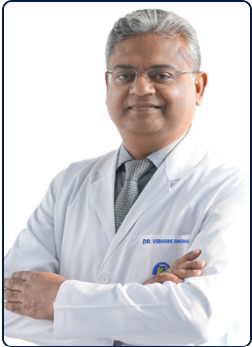
Dr. Vibhore Singhal (MBBS, MS)
Director Joint Replacement, Robotics & Orthopedics
Meet The Doctor