Your heart works continuously to keep your body functioning, yet heart health is often overlooked until symptoms appear. Cardiovascular diseases are among the leading causes of death worldwide, making awareness, prevention and timely medical care essential.
World Heart Day 2026 is an opportunity to encourage people to understand their cardiovascular risk, adopt healthier habits and recognise warning signs that require medical attention.
Why Is World Heart Day Important?
World Heart Day is observed every year on 29 September to raise awareness about cardiovascular diseases and encourage people to take better care of their hearts. The campaign highlights the importance of prevention, healthy lifestyles and access to appropriate cardiovascular care.
Heart disease can affect people of different ages and backgrounds. Risk factors such as high blood pressure, diabetes, high cholesterol, smoking, obesity, physical inactivity and unhealthy eating habits can increase cardiovascular risk.
World Heart Day 2026 Theme
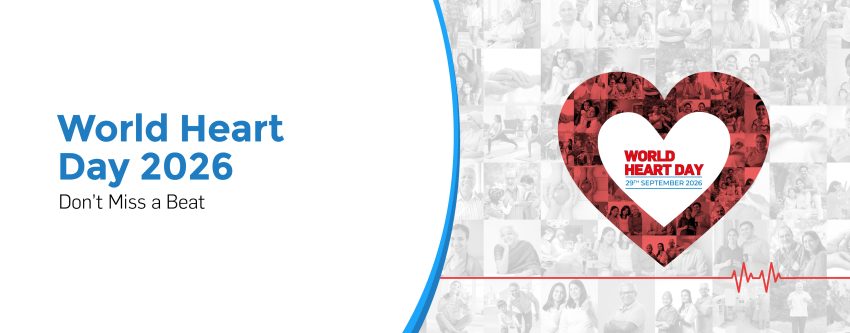
The World Heart Day 2026 Theme highlights the continuing global focus on cardiovascular health, prevention and equitable access to heart care. The official theme, “Don’t Miss a Beat,” is part of the World Heart Federation’s 2026 campaign, encouraging people to prioritise heart health and take timely steps to prevent cardiovascular diseases.
The day serves as a reminder that protecting heart health requires action at both an individual and community level.
Understanding Heart Disease
Heart disease refers to a group of conditions affecting the heart and blood vessels. These include coronary artery disease, heart rhythm disorders, heart valve problems, cardiomyopathies and heart failure.
Common causes of heart disease
Some of the Common causes of heart disease and contributing risk factors include:
- High blood pressure
- High cholesterol
- Diabetes
- Smoking and tobacco use
- Being overweight or obese
- Physical inactivity
- Unhealthy diet
- Excessive alcohol consumption
- Chronic stress
- Family history of cardiovascular disease
Some risk factors cannot be changed, such as age and family history. However, many lifestyle-related risks can be managed through healthy choices and regular medical check-ups.
Heart Disease Awareness: Recognising the Risk
Heart Disease Awareness is not only about understanding risk factors; it also involves recognising potential warning signs. Chest discomfort, breathlessness, unexplained fatigue, dizziness, palpitations or swelling in the legs can sometimes indicate an underlying cardiovascular problem.
Symptoms can vary from person to person. If you experience sudden or severe symptoms, seek emergency medical attention rather than attempting to diagnose the condition yourself.
Heart Attack Symptoms and Causes
Heart Attack Symptoms and Causes can vary, but common warning signs include pressure, tightness or pain in the chest; discomfort spreading to the arm, shoulder, back, neck or jaw; shortness of breath; sweating; nausea; and unusual weakness.
A heart attack generally occurs when blood flow to part of the heart muscle becomes blocked, most commonly because of a blood clot forming over a ruptured plaque in a coronary artery.
If heart attack symptoms occur, immediate emergency medical care is critical.
Heart Failure Symptoms and Causes
Heart Failure Symptoms and Causes are important to understand because heart failure can develop gradually or sometimes worsen suddenly.
Common symptoms may include:
- Breathlessness, particularly during activity or while lying down
- Persistent tiredness or weakness
- Swelling in the legs, ankles or feet
- Rapid or irregular heartbeat
- Persistent cough or wheezing
- Reduced ability to perform routine activities
- Sudden weight gain due to fluid retention
Heart failure can result from conditions such as coronary artery disease, previous heart attacks, uncontrolled high blood pressure, heart valve disease or cardiomyopathy.
Heart Health Tips for Everyday Life
Simple lifestyle changes can have a meaningful impact on cardiovascular health. Some useful Heart Health Tips include:
- Eat a balanced diet rich in vegetables, fruits, whole grains and other nutrient-dense foods.
- Limit excess salt, added sugars and unhealthy fats.
- Stay physically active according to your health and fitness level.
- Maintain a healthy weight.
- Avoid tobacco and smoking.
- Get adequate sleep.
- Manage stress through healthy coping strategies.
- Monitor blood pressure, blood sugar and cholesterol when advised.
- Attend regular health check-ups.
Ways to Keep Your Heart Healthy
There are several practical Ways to Keep Your Heart Healthy throughout life. Make physical activity part of your routine, choose heart-friendly foods, avoid tobacco, maintain a healthy weight and keep conditions such as diabetes and hypertension under control.
It is also important to understand your personal risk. People with a family history of cardiovascular disease or existing medical conditions may benefit from discussing appropriate screening and preventive measures with a doctor.
Heart Disease Prevention: Small Steps, Long-Term Benefits
Heart Disease Prevention starts with identifying modifiable risk factors and acting early. Regular monitoring of blood pressure, cholesterol and blood glucose can help identify problems before they become more serious.
Preventive healthcare should also include appropriate physical activity, a nutritious diet and timely management of conditions that increase cardiovascular risk.
When Should You Consult a Heart Specialist?
Do not ignore persistent or unexplained symptoms such as chest discomfort, breathlessness, palpitations, dizziness or swelling. People with known cardiovascular risk factors should also discuss their individual risk and recommended check-ups with a healthcare professional.
Those looking for a Heart specialist in Delhi should consider a centre with access to comprehensive diagnostic, medical, interventional and surgical cardiac services.
Depending on the condition, patients may consult a cardiologist for diagnosis and medical or interventional treatment. Surgical conditions may require evaluation by a cardiac surgeon in Delhi.
Choosing the Right Heart Care Centre
Choosing the right hospital can be important when specialised cardiovascular evaluation or treatment is required. A Best Heart Hospital in Delhi should offer experienced specialists, advanced diagnostic facilities, emergency cardiac care and access to multidisciplinary treatment when needed.
A comprehensive Cardiac Care Hospital in Delhi can provide services ranging from preventive cardiology and cardiac diagnostics to interventional procedures, critical care and cardiac surgery.
Patients seeking experienced Heart Doctors in Delhi should consider their specific medical needs, the doctor’s expertise and the facilities available at the hospital.
Conclusion
Heart health is a lifelong responsibility. This World Heart Day, take a step towards better cardiovascular health by understanding your risk factors, adopting healthier habits and seeking timely medical advice when symptoms arise.
Awareness and prevention can help protect your heart and support a healthier future.
Frequently Asked Questions
When is World Heart Day celebrated?
World Heart Day is observed annually on 29 September to raise awareness about cardiovascular diseases and promote heart health.
What is the main purpose of World Heart Day?
The day aims to increase awareness of cardiovascular diseases, encourage healthier lifestyles and highlight the importance of prevention and timely access to healthcare.
What are the major risk factors for heart disease?
High blood pressure, high cholesterol, diabetes, smoking, obesity, physical inactivity, unhealthy diet and family history are among the important risk factors.
Can heart disease be prevented?
Many cardiovascular risk factors can be reduced through healthy eating, regular physical activity, avoiding tobacco, maintaining a healthy weight and managing conditions such as hypertension, diabetes and high cholesterol.
What are common warning signs of a heart attack?
Chest pressure or discomfort, shortness of breath, sweating, nausea and discomfort that may spread to the arm, shoulder, back, neck or jaw can be warning signs. Sudden symptoms require immediate emergency medical attention.
What are common symptoms of heart failure?
Breathlessness, fatigue, swelling of the legs or ankles, persistent cough, rapid heartbeat and reduced ability to perform everyday activities can occur with heart failure.
How often should I get my heart checked?
The frequency depends on your age, health status, risk factors and existing medical conditions. Your doctor can recommend appropriate check-ups and tests based on your individual needs.
Can young people develop heart disease?
Yes. Although cardiovascular risk generally increases with age, younger people can also develop heart disease, particularly when risk factors such as smoking, obesity, diabetes, high blood pressure or inherited conditions are present.
When should I see a cardiologist?
Consider consulting a cardiologist if you have persistent chest discomfort, unexplained breathlessness, palpitations, dizziness, fainting or other concerning symptoms, particularly if you have cardiovascular risk factors.
What is the best way to protect heart health?
A heart-healthy lifestyle includes regular physical activity, a balanced diet, avoiding tobacco, maintaining a healthy weight, managing stress and keeping conditions such as blood pressure, diabetes and cholesterol under control.
Written & Verified By:

Dr. Rupesh Kaushik MBBS, MD (Gen. Med.), DM (Cardiology), PDF, FSCAI
Associate Director Cardiology
Meet The Doctor