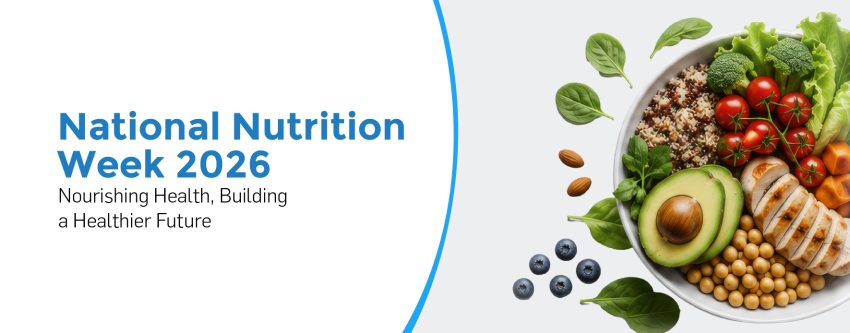
National Nutrition Week 2026 is an important annual observance that highlights the role of good nutrition in maintaining health, preventing diseases, and supporting overall well-being. Observed in India from September 1 to September 7, the week encourages individuals and families to make informed food choices and understand the importance of adequate nutrition at every stage of life.
Good nutrition is not simply about eating less or following restrictive diets. It is about consuming a variety of nutrients in the right proportions to support the body’s energy needs, immunity, growth, and daily functions.
What Is National Nutrition Week?
National Nutrition Week is observed to create awareness about healthy eating habits, nutritional deficiencies, and the importance of making better dietary choices. It encourages people to understand their nutritional requirements and adopt sustainable eating habits.
From children and adolescents to adults, older adults, pregnant women, and individuals managing chronic health conditions, nutritional needs can vary significantly. Nutrition awareness can help people make appropriate choices based on their age, lifestyle, activity level, and health requirements.
National Nutrition Week 2026 Theme
At this time, no official theme for National Nutrition Week has been announced by the Government of India through the relevant authorities closer to the observance. The theme generally focuses on improving nutrition awareness, encouraging healthier food choices, and addressing nutritional challenges among different sections of society.
Why Is National Nutrition Week Important?
Nutrition plays a fundamental role in almost every aspect of health. A nutrient-rich eating pattern can provide the body with essential vitamins, minerals, proteins, carbohydrates, fats, and other nutrients.
National Nutrition Week helps people:
- Understand the importance of adequate and varied nutrition.
- Identify healthier alternatives to highly processed foods.
- Learn about nutritional requirements at different life stages.
- Prevent nutrient deficiencies through appropriate food choices.
- Develop healthier eating habits for long-term wellness.
- Understand the connection between nutrition and chronic diseases.
- Encourage families to plan nutritious and diverse meals.
Nutrition awareness is particularly important because poor dietary habits can contribute to problems such as obesity, nutritional deficiencies, diabetes, cardiovascular disease, and other health concerns.
Importance of a Balanced Diet
A balanced diet should provide a combination of carbohydrates, proteins, healthy fats, vitamins, minerals, fibre, and adequate fluids. No single food can provide all the nutrients the body requires, which is why variety is an important part of healthy eating.
A balanced meal may include whole grains, pulses, vegetables, fruits, dairy or suitable alternatives, nuts, seeds, and appropriate sources of protein. Portion sizes should be adjusted according to individual nutritional needs and activity levels.
A balanced Indian plate has four components, and most Indian plates are short on exactly one of them.
- Half the plate: Vegetables, fruits, salad, greens (whatever is in season)
- A quarter: Dal, Rajma, chana, curd, paneer, egg, fish, chicken.
- A quarter: whole grain or starch (Rice, millets, potatoes). This is the component that is usually too large.
- A small amount of fat: Ghee, oil, nuts, seeds.
Choosing Healthy Foods Every Day
Making nutritious choices does not necessarily mean making complicated meals. Simple changes can make everyday eating healthier.
Some examples of healthy foods to eat every day include:
- Seasonal fruits and vegetables
- Whole grains and millets
- Pulses and legumes
- Nuts and seeds in appropriate portions
- Milk, curd, or fortified alternatives
- Eggs, fish, lean meats, or plant-based protein sources
- Adequate water and other healthy fluids
Limiting excess salt, added sugar, highly processed foods, and trans fats can also support better overall nutrition.
Understanding Vitamins and Minerals
Vitamins and minerals are required in relatively small amounts but perform essential functions in the body. They support immunity, bone health, blood formation, metabolism, nerve function, and several other physiological processes.
Examples of vitamin-rich foods include leafy greens, colourful vegetables, citrus fruits, berries, dairy products, eggs, nuts, seeds, and fortified foods. Eating a diverse range of foods is generally a better approach than relying on a single food for a particular nutrient.
Healthy Fats and Their Role
Fat is an essential nutrient and provides energy while supporting several important bodily functions. However, the type and quantity of fat matter.
Nuts, seeds, avocados, and certain vegetable oils are examples of foods with healthy fats. Fatty fish can also provide omega-3 fatty acids. At the same time, intake of foods high in trans fats and excessive saturated fats should be limited according to individual dietary needs.
Nutrition for Healthy Weight Management
Weight management is not about skipping meals or following extreme diets. A sustainable approach combines nutritious food, appropriate portions, physical activity, adequate sleep, and healthy lifestyle habits.
A balanced diet for weight loss can include vegetables, fruits, whole grains, lean protein, pulses, and healthy fats while maintaining appropriate calorie intake.
People looking for the best nutrition plan for weight loss should ideally consult a qualified nutrition professional, particularly if they have an underlying medical condition or specific dietary requirements. A personalised plan can account for age, activity level, food preferences, medical history, and nutritional needs.
Vegetables That Can Support Weight Management
Vegetables are generally rich in fibre, vitamins, minerals, and water, while many are relatively low in calories. Including a variety of vegetables for weight loss can help add volume and nutrients to meals.
Leafy greens, broccoli, cauliflower, cucumber, tomatoes, carrots, beans, capsicum, and other seasonal vegetables can be incorporated into salads, soups, curries, stir-fries, and other meals.
Nutrition for Heart Health
Diet is an important component of cardiovascular health. A heart-conscious eating pattern generally emphasises vegetables, fruits, whole grains, pulses, nuts, seeds, and appropriate sources of protein while limiting excess salt, added sugars, and unhealthy fats.
A diet for a healthy heart should be personalised according to an individual’s health status, cholesterol levels, blood pressure, weight, and other risk factors.
Nutrition and Kidney Health
The dietary requirements of people with kidney disease can vary considerably depending on kidney function, medications, laboratory results, and the stage of disease.
Although foods such as fruits, vegetables, whole grains, and plant-based proteins can be nutritious, individuals with kidney disease may need to monitor nutrients such as sodium, potassium, phosphorus, protein, and fluids.
Therefore, the best foods for kidney health should be determined according to individual medical and nutritional requirements rather than following a generic diet.
Nutrition During Pregnancy
Pregnancy increases the body’s nutritional requirements. Adequate protein, iron, folate, calcium, iodine, vitamin D, and other nutrients are important for maternal health and foetal development.
Food during pregnancy should include a variety of nutrient-dense foods such as vegetables, fruits, whole grains, pulses, dairy or suitable alternatives, and appropriate protein sources. Pregnant women should follow guidance from their obstetrician or registered dietitian regarding supplements, foods to avoid, and individual dietary requirements.
Creating a Healthy Food Chart
Planning meals can make it easier to maintain healthy eating habits. A healthy food chart can include a variety of food groups across the day rather than focusing on one food or nutrient.
For example:
| Food Group | Examples |
| Whole grains | Oats, brown rice, whole-wheat roti, millets |
| Protein | Pulses, beans, eggs, fish, lean meat |
| Vegetables | Spinach, broccoli, carrots, tomatoes, beans |
| Fruits | Apples, oranges, guava, papaya, berries |
| Dairy/alternatives | Milk, curd, fortified alternatives |
| Healthy fats | Nuts, seeds, avocado, suitable vegetable oils |
A nutritional value of foods chart can also help people compare foods based on calories, protein, fibre, vitamins, minerals, and other nutrients. However, nutritional requirements differ from person to person, so food choices should not be based on calorie content alone.
Conclusion
National Nutrition Week is an opportunity to recognise that nutrition is a foundation of good health. Rather than following short-term food trends or restrictive diets, individuals should focus on varied, nutrient-dense meals and sustainable lifestyle habits.
Small changes—such as adding more vegetables, choosing whole grains, including appropriate protein, staying hydrated, and limiting highly processed foods—can contribute to healthier eating patterns over time.
If you have specific nutritional needs, chronic health conditions, are pregnant, or are planning significant dietary changes, consult a qualified healthcare professional or dietitian for personalised guidance.
Frequently Asked Questions
When is National Nutrition Week 2026 observed in India?
National Nutrition Week in India is observed from September 1 to September 7 each year.
What is the purpose of National Nutrition Week?
The purpose is to raise awareness about the importance of nutrition, healthy eating habits, nutrient deficiencies, and informed dietary choices for better health.
What should a healthy diet include?
A healthy diet generally includes a variety of vegetables, fruits, whole grains, protein sources, healthy fats, and adequate fluids in appropriate proportions.
Is a balanced diet the same for everyone?
No. Nutritional requirements vary according to age, sex, activity level, health status, lifestyle, and specific needs such as pregnancy or certain medical conditions.
Can healthy eating help with weight management?
Yes. Nutritious foods, appropriate portions, regular physical activity, adequate sleep, and sustainable lifestyle habits can support healthy weight management.
Why are vitamins and minerals important?
Vitamins and minerals support several essential functions, including immunity, metabolism, bone health, blood formation, and nervous system function.
Should people with kidney disease follow a general healthy diet?
Not necessarily. People with kidney disease may have specific restrictions or nutritional requirements. They should follow an individualised diet recommended by their healthcare professional or renal dietitian.
What foods are important during pregnancy?
Pregnancy requires a varied and nutrient-dense diet containing appropriate sources of protein, iron, folate, calcium, iodine, vitamin D, and other essential nutrients. Dietary requirements should be discussed with an obstetrician or qualified dietitian.
How can I improve my family’s nutrition?
Start with simple changes such as including more vegetables and fruits, choosing whole grains, reducing highly processed foods, limiting excess salt and sugar, and maintaining regular meal patterns.
When should I consult a nutritionist or dietitian?
Consider professional guidance if you have a chronic health condition, significant weight concerns, nutritional deficiencies, pregnancy-related dietary needs, or difficulty meeting your nutritional requirements through your regular diet.
Written & Verified By:

Dr. Anil Laul (MBBS, MD)
Director Internal Medicine
Meet The Doctor