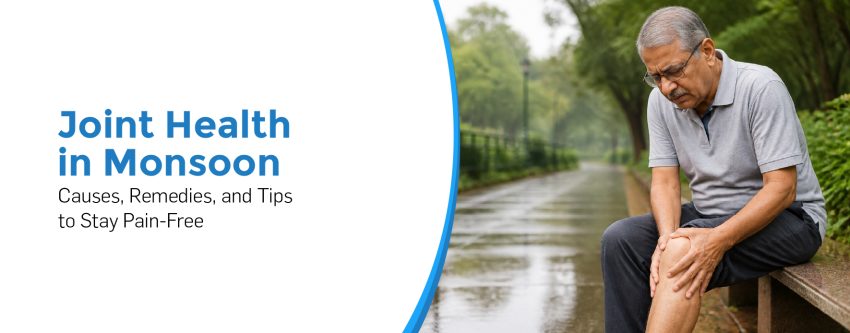
The arrival of the monsoon brings much-needed relief from the summer heat, but for many people, it also brings stiffness, aches, and joint discomfort. Changes in humidity, reduced physical activity, and fluctuations in atmospheric pressure can worsen existing joint conditions or trigger pain in susceptible individuals. While the rainy season itself does not directly cause joint disorders, it can make symptoms more noticeable.
Understanding why joint problems increase during monsoon and adopting the right preventive measures can help you stay active and comfortable throughout the season.
Why Does Joint Pain Increase During Monsoon?
Many people experience worsening Joint Pain during the rainy season. Although scientific studies continue to explore the exact reasons, several factors are believed to contribute:
- Biometric Pressure: Have you ever heard people say they can feel the rain in their bones? It is not poetic. As the atmosphere changes in the monsoon, the atmospheric (biometric) pressure becomes low, and this influences the synovial fluid that fills your joints. It is the fluid that makes your joints well-lubricated and slide. Tissues may expand with the change of pressure, irritating nerves around the joints.
- Cold and Damp: Monsoon causes cold spells plus an increase in relative humidity
- Increased humidity may affect muscles and surrounding tissues.
- Changes in atmospheric pressure can increase sensitivity in inflamed joints.
- Reduced sunlight may lower vitamin D levels over time, affecting bone health.
- People tend to stay indoors more, leading to reduced physical activity and joint stiffness.
These factors can make existing joint conditions feel more painful and limit mobility.
Common Joint Conditions That Flare Up
Several musculoskeletal conditions may worsen during the monsoon, including:
- Arthritis
Arthritis refers to inflammation of one or more joints, leading to pain, stiffness, and reduced movement. The most common forms include osteoarthritis and inflammatory arthritis.
- Rheumatoid Arthritis
Rheumatoid arthritis is an autoimmune disease in which the body’s immune system attacks the lining of the joints. It often affects both sides of the body symmetrically and may cause swelling, warmth, morning stiffness, and fatigue.
- Osteoarthritis
This age-related condition results from the gradual wear and tear of joint cartilage. Knees, hips, hands, and spine are commonly affected.
- Previous Joint Injuries
Old fractures, ligament injuries, or sports-related injuries may become more noticeable during damp weather.
Symptoms You Should Not Ignore
Seek medical evaluation if you experience:
- Persistent joint pain lasting more than a few weeks
- Swelling or redness around joints
- Morning stiffness lasting longer than 30 minutes
- Difficulty walking or climbing stairs
- Joint deformity
- Fever with swollen joints
- Sudden inability to move a joint
Early diagnosis can prevent further joint damage and improve long-term outcomes.
Causes of Increased Joint Discomfort During Monsoon
Some common contributing factors include:
- Humid weather
- Reduced exercise
- Poor posture while working from home
- Weight gain due to inactivity
- Vitamin D deficiency
- Existing inflammatory joint diseases
- Muscle weakness surrounding the joints
Home Remedies for Better Joint Health
Several lifestyle measures can help reduce discomfort during the rainy season.
Stay Physically Active
Gentle stretching, walking indoors, yoga, and low-impact exercises help maintain flexibility and strengthen muscles supporting the joints.
Apply Warm Compresses
Heat therapy improves blood circulation and relaxes stiff muscles.
Eat an Anti-Inflammatory Diet
Include foods rich in:
- Omega-3 fatty acids
- Fresh fruits
- Green leafy vegetables
- Whole grains
- Nuts and seeds
- Turmeric and ginger
Limit processed foods, sugary beverages, and excessive salt.
Maintain a Healthy Weight
Every extra kilogram places additional stress on the knees, hips, and ankles.
Stay Hydrated
Proper hydration supports cartilage health and overall joint function.
Get Enough Vitamin D and Calcium
Consult your doctor if supplementation is needed, especially if sunlight exposure is limited.
Role of Physiotherapy
Structured physiotherapy for joint pain can significantly improve strength, flexibility, posture, balance, and mobility. A physiotherapist may recommend:
- Range-of-motion exercises
- Strength training
- Manual therapy
- Balance training
- Heat or cold therapy
- Gait correction
- Home exercise programs
Regular sessions can reduce pain, improve function, and decrease dependence on medications.
When Should You Visit an Orthopaedic Specialist?
Consult an orthopaedic expert if:
- Pain persists despite home treatment
- Swelling continues for several days
- Joint movement becomes restricted
- Walking becomes difficult
- You experience repeated joint injuries
- Daily activities are affected
Early evaluation helps identify the underlying cause and allows timely treatment before permanent joint damage occurs.
Treatment Options
Treatment depends on the diagnosis and severity of symptoms.
Possible treatment options include:
- Lifestyle modification
- Pain-relieving medications
- Anti-inflammatory medicines
- Physiotherapy
- Joint injections when appropriate
- Disease-modifying medications for inflammatory arthritis
- Surgical intervention for advanced joint damage
Patients with autoimmune conditions should seek specialised care for the best rheumatoid arthritis treatment in Delhi, as early management helps control inflammation and preserve joint function.
Tips to Protect Your Joints During Monsoon
- Exercise regularly
- Wear supportive footwear
- Avoid prolonged sitting
- Keep joints warm and dry
- Maintain good posture
- Follow prescribed medications regularly
- Eat a balanced diet
- Sleep adequately
- Manage stress
- Avoid lifting heavy weights incorrectly
Why Choose Venkateshwar Hospital?
At Venkateshwar Hospital, our multidisciplinary team provides comprehensive care for bone and joint disorders using advanced diagnostic facilities and personalised treatment plans. Whether you need expert orthopaedic consultation, rehabilitation, or surgical care, our specialists focus on helping patients regain mobility and improve their quality of life. We are recognised as Delhi’s best orthopaedic hospital, offering evidence-based care for a range of musculoskeletal conditions. Our rehabilitation department also provides the best Physiotherapy in Delhi, helping patients recover safely through customised therapy programs.
Conclusion
Monsoon weather can make joint discomfort more noticeable, especially for people with existing musculoskeletal conditions. Fortunately, regular exercise, healthy eating, weight management, and timely medical care can significantly reduce symptoms and improve mobility. If pain becomes persistent or affects your daily life, consult an orthopaedic specialist for an accurate diagnosis and a personalised treatment plan. Early intervention is the key to maintaining healthy joints and an active lifestyle.
Frequently Asked Questions (FAQs)
Why do my joints hurt more during the monsoon?
Humidity, changes in atmospheric pressure, reduced physical activity, and existing inflammation may make joints feel more painful during the rainy season.
Can weather changes cause arthritis?
Weather does not cause arthritis, but seasonal changes can worsen symptoms in people who already have joint conditions.
Is exercise safe during joint pain?
Yes. Low-impact exercises, stretching, and guided physical therapy are generally beneficial, but consult a healthcare professional if pain is severe.
Which foods are good for joint health?
Foods rich in omega-3 fatty acids, fruits, vegetables, whole grains, nuts, seeds, turmeric, and ginger may help support joint health.
When should I see a doctor for joint pain?
You should seek medical advice if pain persists for several weeks, is accompanied by swelling or redness, limits movement, or interferes with daily activities.
Can physiotherapy help avoid surgery?
In many cases, physiotherapy can improve strength, reduce pain, and enhance mobility, potentially delaying or avoiding surgery depending on the condition.
Is rheumatoid arthritis curable?
There is currently no cure, but early diagnosis and appropriate treatment can effectively control symptoms, reduce inflammation, and prevent joint damage.
How can I keep my joints healthy throughout the year?
Maintain a healthy weight, stay active, eat a balanced diet, avoid smoking, protect your joints from injury, and undergo regular medical check-ups if you have chronic joint problems.
Written & Verified By:

Dr. R. K. Pandey (MBBS, MS, M.Ch)
Principal Director & HOD Joint Replacement, Robotics & Orthopaedics
Meet The Doctor