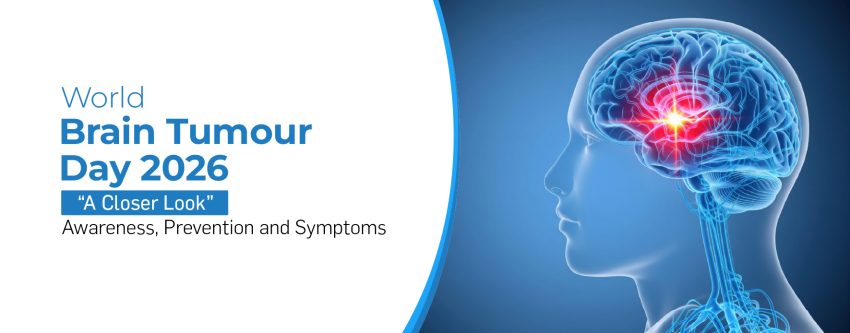
World Brain Tumour Day 2026 aims to raise awareness about brain tumours, promote early diagnosis, and support affected patients and their families. A brain tumour can affect patients of any age and significantly impact their physical, mental, and emotional well-being. Understanding the early signs of brain tumours, their diagnosis, and advanced treatment options will help save more lives and offer improved patient outcomes.
Venkateshwar Hospital’s specialists highlight the importance of learning about the causes, symptoms, and prevention methods of brain tumours. Getting immediate medical help with modern treatment, like brain tumour surgery, can help patients achieve a better quality of life.
What is a Brain Tumour?
A brain tumour is the uncontrolled growth of cells in and around the brain. Depending on their nature, they can be malignant (cancerous) or benign (non-cancerous).
Malignant tumours are otherwise known as brain cancer and can grow quite rapidly, posing a serious risk to the surrounding brain cells. Different areas of the brain may contain tumours and can interfere with the brain’s functions, such as movement, speech, memory, and sight. Early diagnosis is critical in any successful cancer treatment plan.
World Brain Tumour Day 2026 Theme
Proposed for World Brain Tumour Day 2026: “Early Awareness, Timely Action, Better Survival”
The suggested theme emphasises understanding the warning signs, promptly consulting medical help, and providing patients with a combination of state-of-the-art healthcare and emotional support.
Types of Brain Tumours
Brain tumours are categorised into two types:
- Primary Brain Tumours:
- Glioma
- Meningioma
- Astrocytoma
- Pituitary tumours
- Medulloblastoma
- Secondary Brain Tumours:
These can arise when the cancer from a particular area of the body metastasises or spreads to the brain.
Treatment options are decided after the precise type, location, and extent of the tumour are determined.
Causes and Risk Factors of Brain Tumour
Although the exact cause of brain cancer isn’t always identified, the following factors could lead to an increased risk:
- Family history of brain tumours
- Exposure to radiation
- Genetic disorders
- Weakened immune system
- Long-term exposure to harmful chemicals
- Age-related risk factor
It can also be controlled with a proper diet and routine medical check-ups.
Brain Tumour Symptoms You Should Never Ignore
Understanding brain tumour symptoms can help patients receive an early diagnosis. The signs depend upon the size and area of the tumour.
Common Tumour Symptoms include:
- Severe and persistent headaches
- Constant nausea and vomiting
- Blurred or double vision
- Seizures
- Difficulty speaking
- Memory lapses
- Weakness in arms or legs
- Balance and coordination problems
- Alterations in personality or behaviour
Most patients ignore the symptoms and often attribute them to stress and tiredness. They fail to seek immediate medical care until the problem escalates.
Brain Tumour Warning Signs
Certain signs of a brain tumour are quite grave and require instant attention. These include:
- Suddenly unbearable headache
- Recurring seizures that are otherwise non-existent
- Suddenly impaired vision or hearing
- Difficulty with walking
- Mental changes or confusion
- Unexpected numbness or weakness
In case you observe signs of brain cancer more often than once, it is highly recommended to visit a neurosurgeon.
Signs of Brain Cancer in Adults and Children
The signs of brain cancer vary depending on the affected patient’s age group:
In Adults:
- Frequent headaches
- Problems with speech
- Lack of coordination
- Changes in personality and behaviour
In Children:
- Bigger than normal head size
- Irritability
- Lack of balance
- Falling in school
- Frequent vomiting
The parents need to look out for any unusual neurological signs in their children and consult the doctor immediately.
How is a brain tumour diagnosed?
An accurate diagnosis is crucial to treating cancer successfully. Doctors may suggest:
- Neurological Examination
- MRI scan
- CT scan
- PET scan
- Biopsy
Modern medical technology assists specialists in accurately diagnosing the size, extent, and location of a brain tumour. Venkateshwar Hospital uses an advanced medical diagnosis to determine an effective, individualised treatment plan for every patient.
Brain Tumour Surgery and Treatment Options
The treatment plan for a brain tumour depends on the stage, size, and type of the tumour.
- Brain Tumour Surgery
The best approach to most brain tumours is the removal and minimisation of the tumour with the help of brain tumour surgery. Modern neurosurgical technologies ensure the least post-op complications and effective recovery.
Advanced techniques employed are:
- Minimally invasive neurosurgery
- Microsurgery
- Awake brain surgery
- Endoscopic brain surgery
- Radiation Therapy
This treatment aims to use high-energy rays to destroy tumour cells and stop their proliferation.
- Chemotherapy
This therapy involves the use of specific medications that kill cancerous cells or slow their reproduction.
- Targeted Therapy
The latest treatment option specifically targets cancer-causing molecules in cancer cells to minimise damage to the healthy cells in the body.
- Rehabilitation Therapy
The patients may need physical, occupational or speech therapy after the treatment.
Prevention Tips for Brain Tumour and Brain Cancer
Although not all brain tumours can be prevented, some healthy lifestyle choices could reduce the risk.
Prevention Measures:
- Avoid unnecessary exposure to radiation
- Maintain a healthy and nutritious diet
- Exercise regularly
- Don’t smoke and limit the use of alcohol
- Reduce stress
- Regular medical examinations
Awareness and healthy lifestyle choices are important in maintaining brain health.
Importance of Early Detection
Early diagnosis enhances the chances of successful brain tumour surgery and recovery. In case symptoms are ignored, it can delay the diagnosis and lead to increased tumour size and growth.
Prompt consultation with a health specialist is critical when:
- Headaches become frequent and intense
- There are random seizures without any prior indication
- There is increased vision difficulty
- There are persistent neurological signs
Awareness campaigns, such as World Brain Tumour Day 2026, are instrumental in encouraging everyone to recognise brain tumour warning signs and get immediate care.
Living with a Brain Tumour
Dealing with a brain tumour is physically and mentally taxing. A patient undergoing treatment needs:
- Psychological support
- Nutritional guidance
- Psychological Counselling
- Rehabilitative care
Family support and proper medical treatment can improve the patient’s quality of life significantly. Venkateshwar Hospital provides patients undergoing brain tumour surgery and other cancer treatments with a dedicated team of specialists for comprehensive support.
Role of Venkateshwar Hospital in Brain Tumour Care
Venkateshwar Hospital has state-of-the-art neurological and oncology services, ensuring quick and accurate diagnoses, as well as treatments, for brain tumours. The hospital’s team of experienced specialists works with modern technology and an empathetic approach towards each patient, which results in improved patient outcomes.
The Services offered include:
- Advanced brain imaging
- Neurosurgery
- Radiation oncology
- Chemotherapy
- Rehabilitation services
- Emergency neurological care
The integrated healthcare approach allows patients to receive complete medical attention under one roof.
How to Spread Awareness on World Brain Tumour Day 2026
We all can take part in increasing awareness about World Brain Tumour Day 2026 in many ways:
- Share educational materials on social media
- Educate people to have regular medical check-ups
- Contribute to cancer awareness campaigns
- Support patients with emotional and financial help
- Take part in awareness events
Public awareness is vital for earlier diagnosis and greater chances of survival.
Conclusion
World Brain Tumour Day 2026 reiterates the significance of awareness, prevention, and early treatment for brain tumours and brain cancer. Recognising brain tumour signs, knowing about brain tumour warning signs, and seeking expert medical assistance could save a life. Modern technologies used in brain tumour surgery and cancer treatment have made a remarkable difference in patient outcomes.
At the same time, hospitals such as Venkateshwar Hospital continue to offer unparalleled support to patients with neurological disorders and cancer. If you or your loved ones show persistent signs or symptoms of brain tumours or brain cancer, do not delay seeking medical attention from a healthcare professional; this is key to a better outcome.
Frequently Asked Questions
What is World Brain Tumour Day 2026?
World Brain Tumour Day is celebrated to raise awareness of brain tumours, facilitate their early detection, and assist brain cancer patients.
What are the general brain tumour symptoms?
Headaches, seizures, blurred vision, nausea, amnesia, and coordination problems are common symptoms of brain tumours.
What are the warning signs for brain cancer?
Key warning signs of a brain tumour include sudden, severe headaches, seizures, loss of strength, confusion, and vision disturbances.
Are brain tumours curable?
Certain types of brain tumours can be treated with brain tumour surgery, radiotherapy, chemotherapy, and other latest methods.
Are all brain tumours cancerous?
Not all brain tumours are cancerous. While some brain tumours are benign, some are malignant or brain cancer.
What is brain tumour treatment?
Brain tumour surgery, radiation therapy, chemotherapy, targeted therapy, and rehabilitative care are used to treat brain tumours.
Can brain cancer be prevented?
Although not all instances are avoidable, leading a healthy life, minimising radiation exposure, and taking regular medical check-ups could lower the risks.
What makes it critical to get diagnosed with a brain tumour early on?
Detecting a brain tumour at its early stage enables doctors to commence cancer therapy without further delay, enhancing survival chances and recovery results.
Written & Verified By:
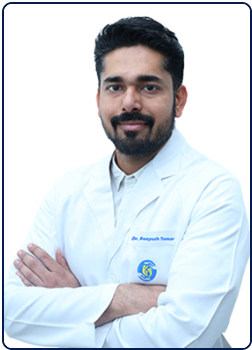 Dr. Peeyush Tomar MBBS, DrNB (Neurosurgery), Fellowship in Stroke and Neuroendovascular Intervention
Consultant Neurosurgery & Neurointervention
Meet The Doctor