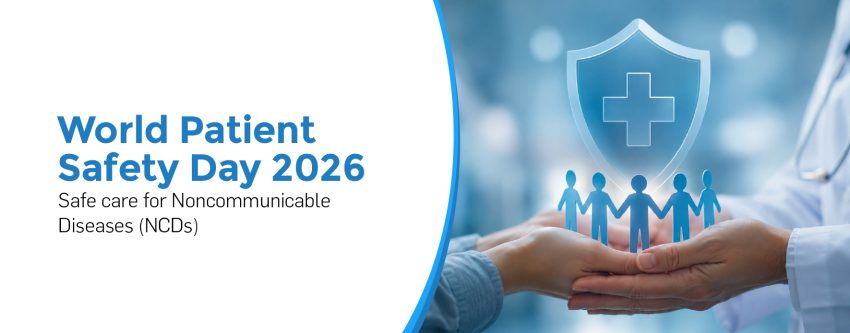
World Patient Safety Day is observed every year on 17 September to raise awareness about the importance of preventing avoidable harm in healthcare and promoting safer, high-quality care. Established by the World Health Organisation (WHO) in 2019, the day brings together patients, families, healthcare professionals, communities, healthcare leaders and policymakers to strengthen safety across healthcare systems.
The World Patient Safety Day 2026 campaign focuses on the safety of people living with noncommunicable diseases (NCDs), including cardiovascular diseases, cancer, diabetes and chronic respiratory diseases. These conditions often require long-term treatment and regular interaction with healthcare systems, making safe and coordinated care particularly important.
World Patient Safety Day Theme 2026
The World Patient Safety Day theme 2026 is “Safe care for noncommunicable diseases”, with the campaign slogan “Safe care for life!”
The theme highlights the need to identify and reduce safety risks throughout the entire journey of NCD care—from prevention and screening to diagnosis, treatment, rehabilitation, long-term management and self-care.
People living with chronic diseases may face safety risks because of complex treatment plans, multiple medications, repeated healthcare visits, delayed diagnosis, fragmented services and challenges during referrals or transitions between healthcare providers. WHO emphasises that stronger, integrated health systems and meaningful involvement of people living with NCDs are essential for safer care.
Why Is Patient Safety Important?
Safe healthcare is an essential part of quality medical treatment. Every interaction with the healthcare system should aim to protect patients from preventable harm while ensuring that they receive appropriate and timely care.
According to the WHO, around 1 in 10 patients is harmed during healthcare globally, and approximately half of this harm is considered preventable.
Patient safety involves much more than avoiding medical errors. It includes accurate diagnosis, appropriate treatment, medication safety, infection prevention, effective communication, proper documentation, safe procedures and coordinated follow-up.
Good patient care also depends on patients and healthcare professionals working together. Patients should feel comfortable asking questions, discussing concerns and participating in decisions about their treatment.
Understanding Patient Rights
Awareness of patient rights is an important part of safer healthcare. Patients should be encouraged to understand their diagnosis, treatment options, medications, investigations and follow-up requirements.
Patients can contribute to safer care by:
- Sharing their complete medical history with healthcare professionals
- Informing doctors about allergies and current medications
- Asking questions when they do not understand their diagnosis or treatment
- Confirming instructions before taking medicines
- Keeping records of important test results and prescriptions
- Following recommended appointments and follow-up care
- Reporting unexpected symptoms or concerns promptly
- Speaking up if they notice a potential safety issue
WHO’s 2026 campaign specifically encourages people living with NCDs and their caregivers to remain informed, engaged and active partners in their care.
Key Patient Safety Goals for Safer Healthcare
Healthcare organisations can adopt several practices to improve safety and reduce avoidable risks. While specific patient safety goals may vary by healthcare system and organisation, important areas include:
Accurate Diagnosis
Timely and accurate diagnosis is essential for appropriate treatment. Healthcare professionals need to carefully evaluate symptoms, medical history and diagnostic findings, particularly when patients have multiple health conditions.
Medication Safety
Medication-related errors can be reduced through accurate prescriptions, clear communication, appropriate dosing and patient awareness. Patients should always inform healthcare providers about all medicines and supplements they are taking.
Infection Prevention
Hand hygiene, appropriate sterilisation, environmental cleanliness and infection-control practices are important components of safe healthcare.
Effective Communication
Clear communication between patients, doctors, nurses, caregivers and other healthcare professionals can reduce misunderstandings and improve continuity of care.
Safe Transitions of Care
Referrals, hospital admissions, transfers and discharge can create opportunities for information gaps. Proper handovers and clear follow-up instructions help maintain continuity and safety.
International Patient Safety Goals
The concept of international patient safety goals emphasises important areas of healthcare safety, including correct patient identification, effective communication, medication safety, safe procedures and prevention of healthcare-associated infections.
These principles support healthcare facilities in developing systems that reduce preventable risks and promote consistent standards of care.
Patient safety is also a shared responsibility. Healthcare professionals, hospital administrators, patients and caregivers all have a role to play in identifying potential risks and supporting a culture of safety.
Safe Care for People Living with Chronic Diseases
NCDs often require continuous medical attention. A person living with diabetes, hypertension, heart disease, cancer or chronic respiratory disease may interact with different healthcare professionals over an extended period.
This makes coordinated patient health care particularly important.
Safe chronic disease management may involve:
- Regular health assessments
- Appropriate screening and monitoring
- Accurate medication management
- Timely diagnostic investigations
- Lifestyle and preventive health guidance
- Specialist consultations when required
- Regular follow-up
- Clear communication between healthcare providers
- Patient and caregiver participation in treatment decisions
WHO highlights that safety risks can occur at every stage of NCD care and across different healthcare settings, including hospitals, primary care facilities, homes and communities.
How Patients Can Participate in Their Own Safety
Patients can play an active role in making healthcare safer. Being informed and communicating openly with healthcare professionals can help identify potential issues early.
Before a consultation, patients can maintain a record of their symptoms, previous diagnoses, medications, allergies and relevant test results. During the consultation, they should ask questions about recommended tests, medicines and treatment plans.
After treatment, following instructions carefully and attending scheduled follow-ups can support better continuity of care.
Preventive healthcare is equally important. Depending on age, medical history and risk factors, routine health assessments and health checkup packages may help identify certain health concerns early and support timely medical intervention.
The Role of Hospitals in Patient Safety
Hospitals have an important responsibility to create systems that support safe, coordinated and patient-centred care. This includes maintaining appropriate clinical protocols, supporting healthcare professionals through training, ensuring effective communication and continuously reviewing processes to identify opportunities for improvement.
WHO’s 2026 campaign calls on healthcare facilities to establish systems that support prevention, early detection, timely management and ongoing follow-up for NCDs. It also highlights the importance of standardised safety processes, safe handovers and meaningful patient engagement.
At Venkateshwar Hospitals, patient-centred healthcare is supported by experienced medical professionals, multidisciplinary services and modern healthcare infrastructure. A coordinated approach can help patients access appropriate medical expertise and diagnostic support according to their individual healthcare needs.
A Shared Responsibility
Patient safety cannot be achieved by healthcare professionals alone. Patients, families, caregivers, hospitals, policymakers and communities all have a role in creating safer healthcare systems.
The 2026 campaign encourages people living with NCDs to understand their conditions, participate in preventive care, ask questions, maintain accurate health records and speak up when they have concerns. Healthcare professionals are encouraged to strengthen diagnosis, medication safety, continuity of care and patient engagement.
The message of World Patient Safety Day 2026 extends beyond hospitals. Safe care should continue throughout a person’s healthcare journey, including prevention, diagnosis, treatment, follow-up and self-care.
Take a Step Towards Safer Healthcare
World Patient Safety Day 2026 reminds us that safe healthcare is a continuous process requiring awareness, communication, coordination and shared responsibility. By staying informed, participating in healthcare decisions and following recommended preventive and treatment measures, patients can become active partners in safer care.
If you have a health concern, need preventive evaluation or wish to discuss your healthcare needs with an experienced medical team, book an Appointment with Venkateshwar Hospitals.
Frequently Asked Questions
When is World Patient Safety Day 2026 observed?
World Patient Safety Day 2026 will be observed on 17 September 2026. The annual observance aims to raise awareness and encourage action to reduce avoidable harm in healthcare.
What is the theme of World Patient Safety Day 2026?
The theme is “Safe care for noncommunicable diseases”, with the slogan “Safe care for life!” The campaign focuses on improving safety for people living with NCDs throughout their healthcare journey.
Why is patient safety important for people with NCDs?
People living with NCDs often require long-term treatment, multiple medications, regular monitoring and care from different healthcare professionals. These factors can increase opportunities for preventable harm, making coordinated and safe care particularly important.
How can patients contribute to healthcare safety?
Patients can contribute by sharing accurate medical information, understanding their medications, asking questions, following treatment instructions, keeping track of appointments and test results, and speaking up if they have safety concerns.
What are some common areas of patient safety?
Important areas include accurate diagnosis, medication safety, infection prevention, effective communication, safe procedures, proper patient identification and continuity of care.
How can regular health check-ups support patient safety?
Regular health assessments can help identify health risks or certain conditions at an earlier stage. Depending on individual risk factors, healthcare professionals can recommend appropriate screening, investigations and preventive measures.
Where can I seek comprehensive medical care?
Patients can consult the multidisciplinary healthcare teams at Venkateshwar Hospitals for medical evaluation, preventive care, diagnostic services and specialist consultations based on their individual healthcare requirements.