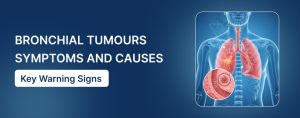
Lung cancer remains one of the leading causes of cancer-related deaths worldwide, making awareness of its symptoms and causes critical. Early detection significantly improves treatment outcomes and survival rates. Recognising warning signs and understanding risk factors can help individuals seek timely medical care. Venkateshwar Hospitals offers expert oncology services with advanced diagnostic tools to ensure accurate detection and personalised treatment. In this guide, we explore the symptoms, causes, risk factors, diagnosis, prevention, and care provided at Venkateshwar Hospitals for lung cancer.
Understanding Lung Cancer
Lung cancer occurs when abnormal cells in the lungs grow uncontrollably, forming malignant tumours that can spread to other organs. The two primary types are Non-Small Cell Lung Cancer (NSCLC), which accounts for around 85% of cases, and Small Cell Lung Cancer (SCLC), which tends to grow and spread more rapidly.
Globally, lung cancer affects millions each year, with India experiencing a significant disease burden due to environmental pollutants, occupational exposures, and tobacco use in certain regions. Smoking rates in India have generally remained stable or slightly declined in recent years, but air pollution and industrial exposure continue to be critical risk factors. Early detection is crucial, as symptoms often remain subtle or absent until the disease has advanced to later stages. Prompt attention to changes in respiratory health enables timely intervention and improved treatment outcomes.
What Causes Lung Cancer?
Understanding the factors that contribute to lung cancer helps in prevention and risk reduction.
1. Smoking and Tobacco Use
Cigarette smoking is the leading cause of lung cancer, responsible for the majority of cases. The carcinogens in tobacco damage lung tissue, significantly increasing the risk of cancer. Even passive smoking, or exposure to second-hand smoke, can raise lung cancer risk, particularly with long-term exposure.
2. Environmental & Occupational Exposure
Exposure to harmful substances such as asbestos and certain industrial chemicals increases lung cancer risk. While radon exposure is a significant cause in some regions of the world, it is less common in India. Air pollution may also contribute to risk, though its causal link is still being studied.
3. Lifestyle and Other Risk Factors
Pre-existing lung conditions, such as chronic obstructive pulmonary disease (COPD), along with poor diet or physical inactivity, can increase vulnerability. Maintaining a healthy lifestyle may reduce risk, but it does not eliminate the possibility of developing lung cancer.
Early and Common Symptoms of Lung Cancer
Recognising potential signs of lung cancer is essential, though early-stage lung cancer is often asymptomatic. Many patients do not notice symptoms until the disease has progressed, making awareness of warning signs critical.
1. Respiratory Symptoms
Changes in the respiratory system are among the most common indicators of lung cancer. A persistent cough that lasts for several weeks, sometimes accompanied by blood, may indicate an underlying health issue. Shortness of breath during everyday activities and unexplained wheezing or changes in the voice can also suggest airway involvement.
2. General Body Symptoms
Beyond the lungs, lung cancer can affect overall health. Sudden and unexplained weight loss, persistent fatigue, and weakness that impact daily functioning are notable signs. Frequent chest infections, including bronchitis or pneumonia, may indicate that the lungs are being compromised by abnormal cell growth.
3. Advanced Symptoms
As lung cancer progresses, more severe symptoms may develop. Bone pain, headaches, and neurological changes can occur if the cancer spreads beyond the lungs. Swelling in the face or neck may also be observed, caused by obstruction of prominent veins due to tumour growth.
When to See a Doctor?
Immediate medical attention is necessary if any persistent respiratory or general symptoms appear. Early consultation ensures timely screening, accurate diagnosis, and effective treatment. Even minor symptoms should prompt evaluation, as early-stage lung cancer may otherwise go undetected. Self-monitoring and awareness of risk factors encourage prompt visits to Venkateshwar Hospitals, where specialised pulmonary and oncology facilities are available.
How is Lung Cancer Diagnosed?
At Venkateshwar Hospitals, lung cancer diagnosis combines thorough clinical assessments with advanced diagnostic technologies to ensure accuracy and individualised care.
- Pulmonary and systemic examinations: Our specialists conduct comprehensive evaluations to detect abnormalities in lung function and overall health.
- Chest X-ray and CT scans: State-of-the-art imaging provides detailed visualisation of lung structures and identifies any suspicious growths.
- PET scans: These scans help determine if the cancer has spread to other parts of the body, aiding accurate staging.
- Biopsy: Tissue samples are carefully obtained and analysed to confirm the diagnosis and determine the specific lung cancer type.
- Multidisciplinary team review: Our oncologists, pulmonologists, and radiologists collaborate closely to interpret findings and develop personalised treatment plans tailored to each patient’s needs.
Reducing Your Risk of Lung Cancer
Preventive measures can significantly lower the likelihood of developing lung cancer:
- Smoking cessation: Avoid tobacco use and secondhand smoke.
- Reduce environmental exposure: Minimise contact with industrial chemicals and pollutants.
- Regular health check-ups: Screening can aid early detection and intervention.
- Lifestyle changes: A balanced diet and regular exercise improve overall lung health.
Why Choose Venkateshwar Hospitals for Lung Cancer Care?
Venkateshwar Hospitals is committed to providing expert, personalised lung cancer care using advanced technology and a multidisciplinary approach.
- Experienced Specialists: Our team of oncologists and pulmonologists deliver accurate diagnoses and tailored treatment plans.
- Advanced Diagnostics: Facilities such as PET-CT scans and molecular testing allow precise staging and cancer characterisation.
- Comprehensive Treatments: A full spectrum of options, including surgery, chemotherapy, radiation therapy, and targeted therapies to meet individual patient needs.
Conclusion
Understanding the causes and symptoms of lung cancer empowers individuals to take proactive steps for early detection. Timely consultation, lifestyle modifications, and expert care are essential to achieving improved outcomes. Early-stage lung cancer is often asymptomatic, making awareness and screening crucial. If you or a loved one experiences persistent respiratory or general symptoms, consult the specialists at Venkateshwar Hospitals for accurate diagnosis and effective treatment.
Frequently Asked Questions
1. What are the most common lung cancer symptoms?
Persistent cough, shortness of breath, unexplained weight loss, fatigue, and recurrent chest infections may indicate lung cancer, but early stages are often symptom-free.
2. Can lung cancer develop without smoking?
Yes, environmental exposures, genetic predisposition, and pre-existing lung conditions can contribute.
3. What environmental factors can cause lung cancer?
Asbestos, industrial chemicals, and prolonged exposure to pollutants may increase risk. Radon exposure is significant in some regions but less common in India.
4. How can I distinguish between symptoms of lung cancer and those of a regular cough or infection?
Persistent or worsening symptoms, or a cough accompanied by blood, should be evaluated by a specialist.
5. When should I see a doctor for lung cancer symptoms?
Prompt consultation is advised for persistent cough, shortness of breath, chest pain, or unexplained weight loss.
6. Is lung cancer hereditary?
Genetic predisposition has a minor role; family history slightly increases risk, but is less significant than environmental factors.
7. Can early detection improve lung cancer survival rates?
Yes, early diagnosis significantly improves treatment outcomes and survival.
8.What tests are done to diagnose lung cancer?
Diagnosis involves imaging tests such as X-rays, CT scans, PET scans, and tissue biopsies.
9. What lifestyle changes help reduce lung cancer risk?
Avoid smoking, minimise pollutant exposure, maintain a healthy diet, and exercise regularly.
10. Does Venkateshwar Hospitals offer advanced lung cancer treatment in India?
Yes, the hospital provides specialised oncology and pulmonology care with advanced diagnostics and personalised treatment plans.
Medically Reviewed by — Dr. Siddharth Sahai (Director – Medical Oncology)