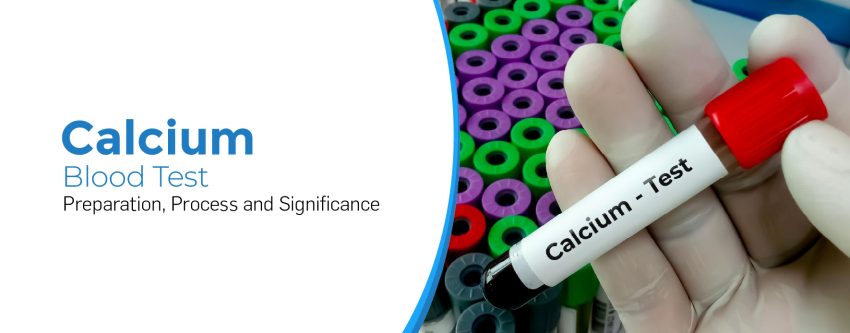
Calcium is also an important nutrient that the body needs to develop strong bones, functional muscles, optimal nerve transmission, and a healthy heart. It is crucial to be aware of its levels, and that is where the Calcium Blood test comes in. The calcium blood test monitors and analyses your calcium levels in your blood.
Any fluctuation in its level could be a sign of an existing health issue. It is important to get it tested as early as possible so that issues relating to bone density, kidneys, and hormones are taken care of at the very initial stages.
What Is a Calcium Blood Test?
A Calcium Blood Test, often referred to as a CA²⁺ blood test, measures the amount of calcium present in the blood. Calcium exists in two main forms:
- Total calcium, which includes both protein-bound and free calcium
- Ionised calcium, the biologically active form responsible for essential body functions
The ionised calcium test provides a more accurate picture of active calcium levels in the bloodstream. Depending on your doctor’s recommendation, you may undergo either a total calcium test or an ionised calcium test. Both types of CA²⁺ blood test are essential for diagnosing and monitoring a wide range of medical conditions.
Why Is a Calcium Blood Test Done?
A Calcium Blood Test is recommended for diagnosing, screening, and monitoring many health conditions. It helps detect bone disorders such as osteoporosis and Paget’s disease, monitor kidney disease that affects calcium regulation, assess thyroid and parathyroid function, and identify cancers that influence calcium levels.
It is also commonly included in routine health screenings to ensure normal calcium balance. Symptoms such as muscle weakness, fatigue, nausea, irregular heartbeat, or bone pain may prompt your doctor to recommend testing for abnormal calcium levels.
Who Performs a Calcium Blood Test?
This test is conducted in sterile and regulated clinical settings by qualified phlebotomists or laboratory technicians. The test is readily available at hospitals (Venkateshwar Hospital), diagnostic centres, clinics, and health checkup centres. These skilled technicians ensure safe blood collection, proper labelling, and processing.
Preparation for a Calcium Blood Test
Preparing for the test is simple. Fasting is usually not required unless it is combined with other tests. You should inform your doctor about medications or supplements you are taking, as some can affect calcium levels. If advised, avoid calcium-rich foods or supplements beforehand.
Scheduling the test at a convenient time and following any instructions provided will help ensure accurate results and avoid repeat testing.
The Calcium Blood Test Procedure
A Calcium Blood Test is quick, safe, and typically completed within 5–10 minutes.
The process involves:
- A phlebotomist tying a band around your arm and locating a suitable vein
- Gently drawing a small amount of blood using a sterile needle
- Placing the sample in a labelled vial for laboratory analysis
- Applying a small bandage after the needle is removed
The procedure is routine and causes only minimal discomfort.
Understanding the Results
Calcium levels vary by age and laboratory standards. Normal ranges for adults are typically:
- Total calcium: 5–10.5 mg/dL
- Ionised calcium: 6–5.3 mg/dL
High calcium levels (hypercalcaemia) may result from overactive parathyroid glands, certain cancers, or excessive vitamin D intake.
Low calcium levels (hypocalcaemia) may be caused by vitamin D deficiency, kidney disease, or hypoparathyroidism.
Diet, hydration, and medications can influence results, so follow-up tests are often recommended to confirm abnormalities and determine the underlying cause.
Significance and Benefits of a Calcium Blood Test
The calcium blood test is of great importance for early diagnosis, treatment monitoring, and management of calcium balance. Calcium is indispensable for strong bones, muscle contraction, nerve impulses transmission, and the rhythm of heartbeats.
Routine tests are indispensable, especially for people who are liable to diseases or take calcium and vitamin D supplements or suffer from symptoms of unknown aetiology, to allow for prompt diagnosis and treatment.
Tips for Accurate Testing
Here are helpful tips to ensure accurate results:
- Follow all pre-test instructions provided by your doctor
- Avoid calcium supplements or specific medications if advised
- Share your complete medical history with the healthcare provider
- Inform them of any recent illnesses, dietary changes, or medications
Correct preparation and proper sample handling are essential for obtaining reliable results.
Related Tests and Further Investigations
A Calcium Blood Test is often complemented by additional tests for a complete assessment. These include:
- Bone density scans (DEXA): Assess bone strength and risk of osteoporosis
- Parathyroid hormone tests: Check hormonal control of calcium
- Kidney function tests: Evaluate calcium regulation affected by kidney disorders
- Vitamin D testing: Detect deficiencies affecting calcium absorption
These investigations help provide a comprehensive understanding of calcium metabolism and related health concerns.
Conclusion
A calcium blood test is an easy, reliable and safe way of monitoring your overall health status. They can be useful in diagnosing problems with the bones, kidneys, and hormonal system, as well as helping to maintain a proper calcium balance. If you are experiencing signs such as excessive tiredness, muscle cramps, or erratic heartbeat, then see your doctor immediately. Testing regularly as part of a routine check-up can maintain good long-term health.
FAQs
1. Who can perform a calcium blood test and in which settings?
A trained phlebotomist or laboratory technician can perform the test in hospitals, clinics, or diagnostic laboratories equipped with standard blood collection facilities.
2. How is ionised calcium different from total calcium?
Ionised calcium is the active, free form available for essential biological functions, while total calcium includes both protein-bound and free calcium present in the bloodstream.
3. What conditions require regular calcium blood testing?
Regular testing is needed for bone disorders, kidney disease, thyroid and parathyroid conditions, cancer monitoring, and for patients taking calcium or vitamin D supplements.
4. How is a calcium blood test linked to kidney or thyroid health?
The kidneys and parathyroid glands regulate calcium levels. Dysfunction in either organ can cause abnormal calcium levels, which the test helps detect at an early stage.
5. What other blood tests are commonly performed with a calcium test?
Kidney function tests, vitamin D levels, phosphate, and parathyroid hormone tests are frequently performed together to provide a comprehensive evaluation of calcium balance.
6. How does a calcium blood test help in diagnosing bone disorders?
Abnormal calcium levels can indicate bone loss or disorders such as osteoporosis and Paget’s disease, helping guide further diagnostic tests and treatment planning.
7. How long does it take to get calcium blood test results?
Results are usually available within a few hours, depending on the laboratory and whether total or ionised calcium is being measured.
8. Can medications or supplements affect calcium blood test results?
Yes. Calcium supplements, vitamin D, diuretics, and several other medications can affect calcium levels and should be disclosed to your healthcare provider before testing.
9. Do patients need to fast before a calcium blood test?
Fasting is generally not required unless specifically advised by the doctor, especially if the calcium test is combined with other fasting-related investigations.
10. Is the calcium blood test a safe procedure?
Yes. It is a routine and low-risk procedure with minimal discomfort, usually involving only a brief pinch when the needle is inserted.
Written & Verified By:

Dr. Anil Laul (MBBS, MD)
Director Internal Medicine
Meet The Doctor