Cervical cancer is almost entirely preventable, yet it continues to affect thousands of women every year. The good news is that advances in medical science have made prevention easier through timely vaccination, regular screening, and healthy lifestyle choices. High-risk human papillomavirus strains trigger over 90% of all cervical malignancies. By understanding the link between the human papillomavirus (HPV) and cervical cancer, individuals can take proactive steps to protect their health.
What is HPV?
Human papillomavirus (HPV) is a group of more than 200 related viruses. While many HPV infections clear on their own without causing harm, certain high-risk strains can lead to changes in cervical cells that may eventually develop into cancer if left untreated. HPV is primarily spread through intimate skin-to-skin contact and is one of the most common sexually transmitted infections worldwide.
What is the HPV Vaccine?
HPV Vaccine triggers antibody production against any specific human papillomavirus strains before any viral exposure occurs. It works by helping the body’s immune system recognise and fight the virus before infection occurs.
Health authorities recommend vaccination for both girls and boys, ideally between the ages of 9 and 14 years, before exposure to HPV. However, vaccination may also benefit older adolescents and adults after consulting a healthcare provider.
How Does HPV Lead to Cervical Cancer?
Cervical cancer does not occur suddenly. Persistent infection with high-risk HPV strains can cause abnormal changes in the cells of the cervix. Over several years, these abnormal cells may progress into cervical cancer if they are not detected and treated early. Regular cervical screening helps identify these changes before they become cancerous, making early intervention possible.
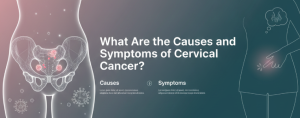
Common Cervical Cancer Causes
Understanding the causes of cervical cancer can help reduce the risk of developing the disease. These include:
- Persistent infection with high-risk HPV strains
- Smoking
- Weakened immune system
- Early onset of sexual activity
- Multiple sexual partners
- Long-term use of certain oral contraceptives
- Lack of regular cervical screening
Although these factors increase the risk, timely vaccination and routine screening remain the most effective preventive measures.
Symptoms to Watch For
Early stages may not produce noticeable symptoms, making regular screening extremely important. As the disease progresses, some women may experience the following symptoms of cervical cancer:
- Abnormal vaginal bleeding
- Bleeding after intercourse
- Unusual vaginal discharge
- Pelvic pain
- Pain during sexual intercourse
- Persistent lower back pain in advanced cases
If you notice any of these symptoms, seek medical evaluation without delay.
Why Vaccination Matters
The HPV vaccine has significantly reduced the incidence of precancerous cervical lesions in countries with strong vaccination programs. When combined with routine Pap smears or HPV testing, vaccination provides powerful protection against cervical cancer.
Vaccination also helps prevent several other diseases caused by HPV, including cancers affecting the throat, anus, vagina, vulva, and penis.
Diagnosis and Screening
Doctors may recommend one or more of the following tests:
- Pap smear
- HPV DNA test
- Colposcopyls
- Cervical biopsy (if an abnormal cervix is seen, abnormal cells are detected)
- Cotest- PAPS smeared with HPV DNA
Routine screening remains essential even after vaccination because current vaccines do not protect against every HPV strain.
Treatment Options
The choice of cervical cancer treatment depends on the stage of the disease, overall health, and treatment goals. Management may include:
- Surgery
- Radiation therapy
- Chemotherapy
- Targeted therapy
- Immunotherapy
Early diagnosis often leads to better treatment outcomes and improved survival rates.
Chemotherapy vs. Radiation Therapy
Many patients wonder about Chemotherapy vs radiation therapy. Although both are commonly used in cancer care, they serve different purposes.
- Chemotherapy uses medicines that travel throughout the body to destroy cancer cells and may be used before or after surgery or alongside radiation.
- Radiation therapy uses high-energy rays to target and destroy cancer cells in a specific area while minimising damage to surrounding healthy tissue.
In many cases, doctors combine both treatments to achieve the best possible results.
Prevention Tips
Besides vaccination, women can reduce their risk by:
- Undergoing regular cervical screening
- Practising safe sexual habits
- Avoiding tobacco use
- Maintaining good personal hygiene
- Eating a balanced diet
- Staying physically active
- Following recommended vaccination schedules
Preventive healthcare plays a vital role in reducing cancer risk.
Importance of Regular Health Checkups
Routine medical examinations help detect health problems before symptoms appear. Women should discuss age-appropriate screenings with their healthcare provider and consider preventive health checkup packages that include women’s health assessments for early detection and peace of mind.
Why Choose Venkateshwar Hospital?
For advanced cancer care, Venkateshwar Hospital offers a multidisciplinary approach supported by experienced oncologists, modern diagnostic technology, and personalised treatment plans. Recognised as the Best Cancer Hospital in Delhi, the hospital provides comprehensive Cancer Treatment in Delhi, including preventive screening, diagnosis, surgery, chemotherapy, radiation therapy, and rehabilitation services under one roof.
Conclusion
Cervical cancer is a preventable cancer through vaccination, regular screening, and timely medical care. Awareness, early detection, and healthy lifestyle choices can significantly reduce the burden of this disease. If you or your loved ones have questions about HPV vaccination or cervical cancer screening, consult a qualified healthcare professional to determine the most appropriate preventive strategy.
Frequently Asked Questions (FAQs)
At what age should the HPV vaccine be taken?
The vaccine is ideally recommended for boys and girls between 9 and 14 years of age, although older adolescents and adults may also benefit after medical consultation.
Can adults still receive the HPV vaccine?
Yes. Depending on age, health status, and previous HPV exposure, adults may still be eligible. Consult your doctor for personalized advice.
Does the HPV vaccine completely prevent cervical cancer?
The vaccine greatly reduces the risk but does not eliminate it entirely. Regular cervical screening remains essential.
How often should women undergo cervical cancer screening?
Screening frequency depends on age, medical history, and national guidelines. Your healthcare provider can recommend an appropriate schedule.
Is cervical cancer curable?
When detected early, cervical cancer has a high chance of successful treatment, highlighting the importance of regular screening and early diagnosis.
Can someone develop cervical cancer without symptoms?
Yes. Early-stage cervical cancer often has no symptoms, which is why routine screening is so important.
Is the HPV vaccine safe?
Yes. Extensive clinical studies and global health organisations have confirmed that HPV vaccines are safe and effective, with most side effects being mild and temporary.
Can men receive the HPV vaccine?
Yes. Vaccination is recommended for boys and young men as well because it helps prevent HPV-related diseases and reduces virus transmission.
Written & Verified By:

Dr. Harsh Bhardwaj MBBS, MD (Internal Medicine), DNB (Internal Medicine), DNB (Neurology), MRCP-SCE (Neurology)
Associate Director & Unit Head
Meet The Doctor